Get Travel Visa Approved: Checklist and Timing Tips

Planning a trip abroad is exhilarating, but nothing stalls the excitement faster than an unexpected visa delay or rejection. According to the U.S. State Department’s 2024 Visa Statistics, nearly 1 in 5 tourist-visa refusals stemmed from incomplete documentation or late filings—problems that are completely avoidable with the right preparation. Use the checklist and timing tips below to get your travel visa approved on the first try and keep your itinerary on track.
Why Timing Is Critical for Visa Success
Embassies and consulates process millions of applications every year. Peak seasons—school holidays, festival periods, major sporting events—can double normal processing times. Submitting at the last minute risks long queues, rushed document reviews, and, in some countries, automatic refusal windows if the departure date is too close.
Key reasons to apply early:
- Document buffer: You may need to request bank statements, police certificates, or vaccination records that take days or weeks to arrive.
- Interview slots: Some consulates release appointments 60–90 days ahead and fill up quickly.
- Unexpected RFEs: “Requests for Evidence” (extra documents) restart the processing clock; having time to respond protects your plans.
For a deeper dive into processing windows, see SimpleVisa’s guide When should I apply for an e-visa for my 2025 travel plans?.

The Ultimate Pre-Application Checklist
Run through this list before you even open the online form. A complete file improves approval odds and can shave days off review times.
- Valid passport (minimum six months beyond return date, at least two blank pages).
- Digital passport photo meeting destination-specific size and background rules.
- Completed application form draft saved offline; double-check spelling and dates.
- Confirmed travel itinerary (round-trip tickets or flight reservations).
- Accommodation proof (hotel bookings or host invitation letters).
- Proof of funds (recent bank statements, pay slips, or sponsorship letter).
- Travel insurance certificate that covers medical emergencies and repatriation.
- Employment or study letter verifying leave dates and position/enrollment.
- Previous visas or entry stamps scanned if the destination asks for travel history.
- Fee payment method — a 3-D Secure credit card or other accepted option.
- Device security check (updated browser, VPN if applying from public Wi-Fi).
Need a printable version? Download the PDF inside Checklist: Everything You Need Before Submitting an Online Visa Application.
Typical Processing Times by Visa Category
Processing speed varies widely. The table below shows broad averages for popular destinations, based on 2024 government data and SimpleVisa analytics.
| Visa Type | Standard Processing | Peak-Season Processing | Fast-Track Option |
|---|---|---|---|
| Tourist e-Visa (India, Kenya, Vietnam) | 3–5 business days | 7–10 business days | 24–48 hours (extra fee) |
| Short-Stay Schengen Sticker (France, Italy) | 15 calendar days | 30–45 calendar days | Limited (rare) |
| U.S. B-1/B-2 Visitor | 10–15 calendar days after interview | 4–8 weeks | Expedited interview for emergencies |
| UK ETA (pilot 2025) | 24–72 hours | 3–5 days | Not offered |
| Student Visa (Canada, Australia) | 4–8 weeks | 8–12 weeks | Priority 2–3 weeks (where available) |
Remember that “business days” exclude local holidays in both your country and the destination.
Build Your Personalized Visa Timeline
Work backwards from your intended departure date:
- T-90 days – Research requirements on official and reputable sources.
- T-75 days – Gather documents that can take weeks (police certificate, medicals).
- T-60 days – Create a SimpleVisa account and start the online form to surface any tricky questions early.
- T-50 days – Book in-person biometrics or interview slots if required.
- T-45 days – Submit the full application and pay fees.
- T-35 days – Monitor status daily. Respond to RFEs within 24 hours.
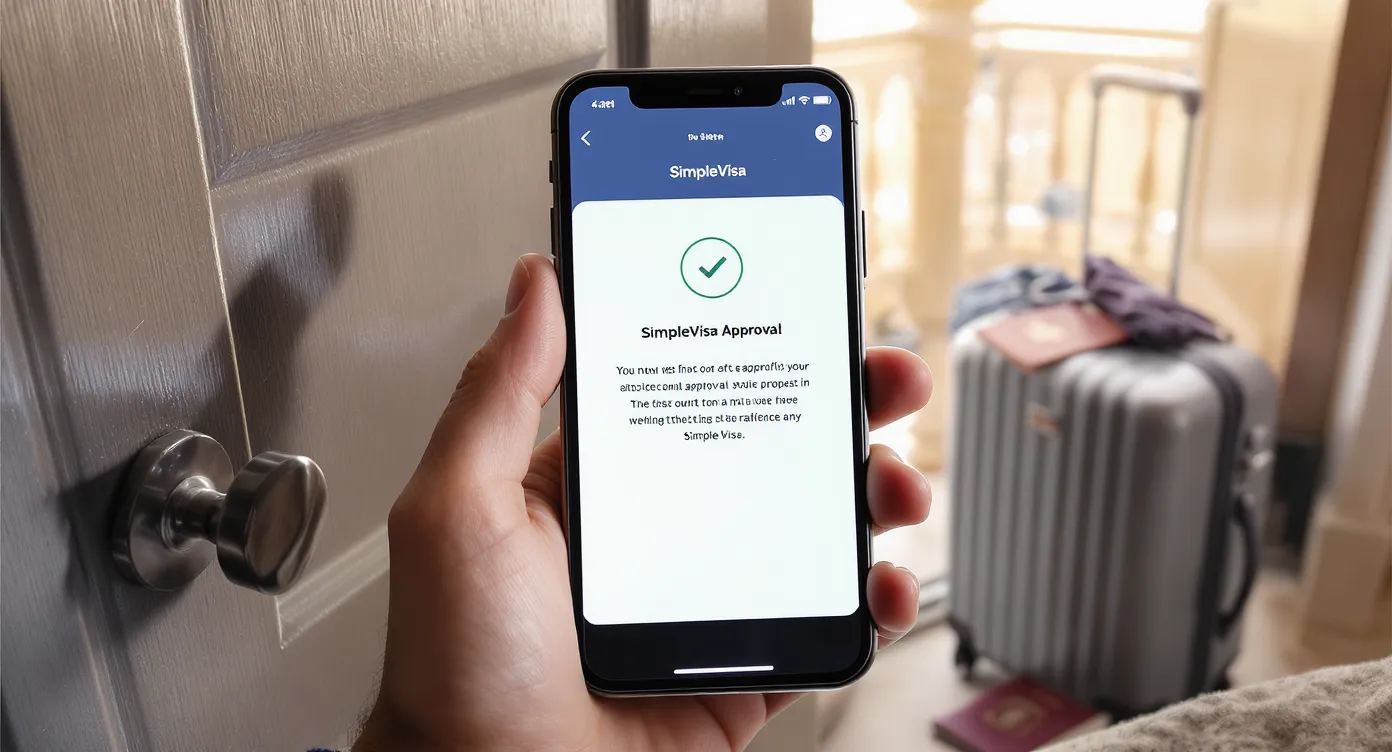
- T-15 days – Receive approval, print digital copy, and verify details.
- T-10 days – Finalize flights and lodging cancellation policies.
If your destination supports instant e-visas (approval in hours), you can compress steps 4–7 into a single week, but it is still smart to prepare documents at T-60.
Five Expert Tips to Avoid Last-Minute Surprises
- Avoid passport renewal overlaps. If your passport will expire within the next year, renew first; many systems cannot transfer paid applications to a new passport number.
- Check multiple-entry validity. A visa valid for six months might still limit each stay to 30 days. Plan around exit/re-entry rules.
- Use exact names. Match every field to your passport, including middle names and diacritics. Automated systems flag even tiny mismatches.
- Beware of free-email spam folders. Government approval emails often land in promotions or spam tabs. Whitelist the sender.
- Leverage real-time support. Platforms like SimpleVisa surface country rules inside your booking flow and offer live chat if a document spec changes.
For more optimisation ideas, read 10 Tips for a Smooth Electronic Visa Application Process.
How SimpleVisa Can Help You Move Faster
Manually tracking embassy pages is tedious. SimpleVisa automates the admin so you can focus on trip planning:
- Smart form fill – We pre-populate fields from your passport scan to cut errors.
- Live document checker – Upload files; our AI flags wrong sizes or glare before you pay.
- Status alerts – Get email, SMS, or webhook notifications the moment the authority updates your case.
- One-click re-application – If your dates change, clone the old file instead of starting from scratch.
Ready to remove the guesswork? Start a free eligibility check or ask your travel provider to enable the SimpleVisa widget at checkout. Visit SimpleVisa.com to get started today.
Frequently Asked Questions
How early should I apply for a standard tourist visa? Aim for at least 6–8 weeks before departure to accommodate document gathering and peak-season backlogs.
Can I expedite every visa? Not always. Many e-visa platforms offer priority processing for a fee, but traditional sticker visas may have limited or no fast-track pathways.
Will booking flights before approval increase my chances? It depends on the country. Some require proof of tickets, while others accept refundable reservations. Always read official guidance.
What if my visa is approved but my passport expires sooner? Most visas become invalid with an expired passport. Renew your passport and, if the destination allows, transfer the visa or apply again.
Is an approved visa a guarantee of entry? No. Border officers have final discretion. Ensure your documentation and travel purpose align with the visa type.