Visa Procedures Simplified: From Forms to Final Approval

Visa procedures can feel like a maze of forms, acronyms, and shifting rules. The good news is that most modern systems follow a predictable path. When you understand what happens at each step, you can submit cleaner applications, avoid delays, and arrive at final approval with far less stress.
What “visa procedures” look like in 2025
Although requirements vary by country and purpose of travel, today’s processes typically fall into three buckets:
- eVisas, a fully online application and digital grant notice
- eTAs, a lighter pre‑travel authorization for short visits by visa‑exempt nationals
- Embassy or consular visas, which may still require biometrics or an interview
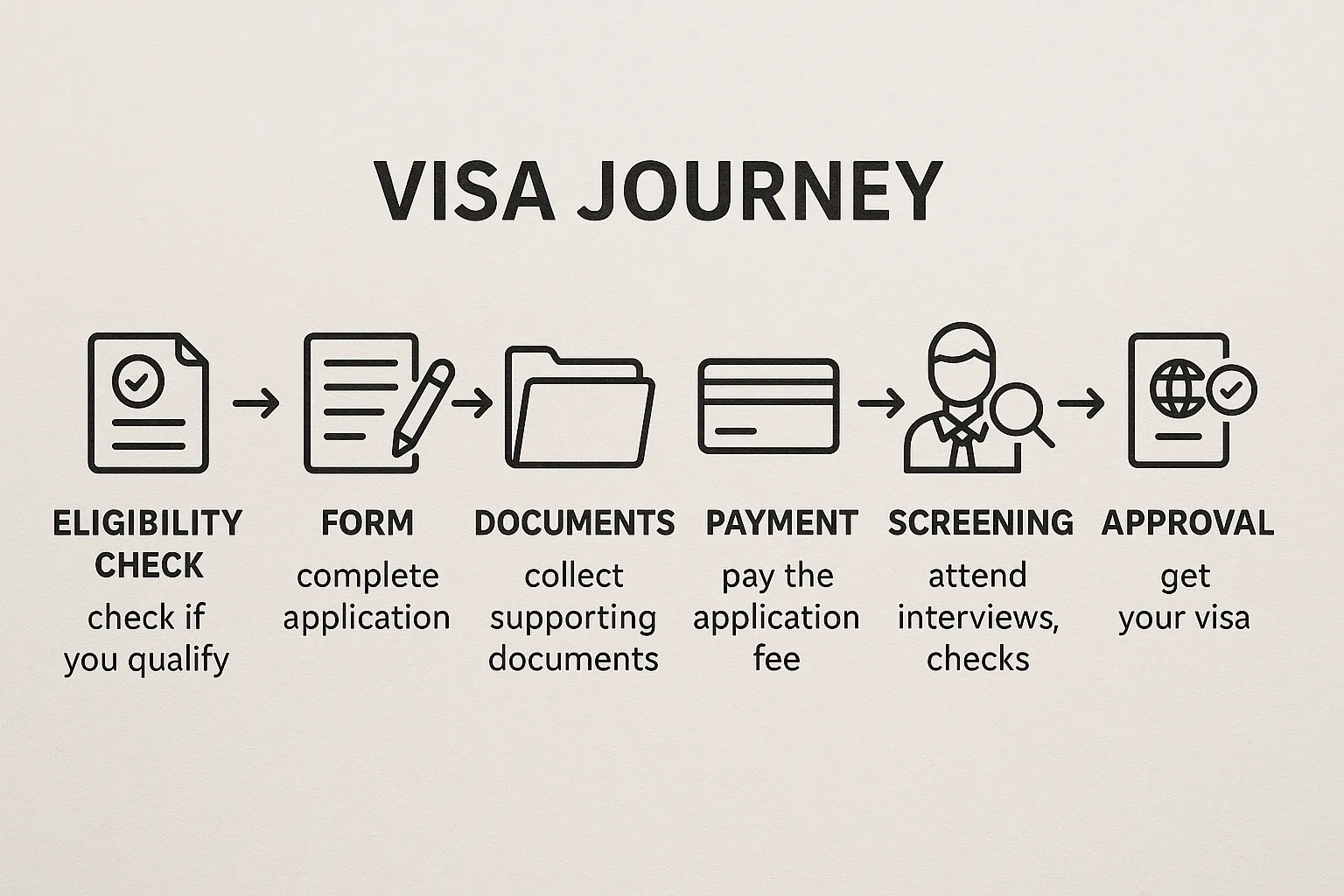
No matter the category, the journey is similar: eligibility check, form completion, document upload, payment, automated risk screening, officer review when needed, and issuance. Understanding this end‑to‑end path is the fastest way to simplify your own visa procedures.
The streamlined path from forms to final approval
Use this overview to know exactly what you do, what happens behind the scenes, and where applicants commonly stumble.
| Stage | What you do | Behind the scenes | Common pitfalls | Typical timeframe |
|---|---|---|---|---|
| 1) Eligibility and rules | Confirm whether you need an eVisa, eTA, or a traditional visa. Check stay length, entry counts, and purpose. | Systems and rule engines map your nationality, passport type, and itinerary to entry conditions. | Assuming a destination is visa‑free based on outdated info, overlooking transit‑visa rules. | Immediate research, start 30 to 60 days before travel when possible. |
| 2) Application form | Enter personal data, travel dates, addresses, and travel purpose. | Validation for dates, passport format, and required fields. Some checks compare against watch lists. | Typos in names or passport numbers, inconsistent travel dates, using nicknames that do not match the passport. | 15 to 40 minutes for many eVisas and eTAs. |
| 3) Document upload | Provide passport scan, compliant photo, proof of itinerary, funds or invitation letters if required. | OCR and AI extract details, systems verify photo size and clarity, some countries run background checks. | Low‑resolution scans, photos that fail local specs, missing supporting evidence for business or study trips. | 10 to 30 minutes, plus time to gather documents. |
| 4) Payment and submission | Pay the official fee, submit, and receive a confirmation number. | Anti‑fraud checks, secure tokenized processing, application enters automated screening. | Card declines, duplicate submissions, not saving receipts or reference IDs. | Instant payment, submission is immediate. |
| 5) Screening and decision | Monitor status and respond to any requests for more information. | Automated risk scoring, database checks, manual officer review when needed. | Ignoring emails requesting clarification, slow responses that push processing past your departure. | From minutes to a few days for eTAs and many eVisas, embassy visas can take weeks. |
| 6) Issuance and travel | Download approval, link to your passport, carry a copy if advised. | Grant notice is stored digitally, border systems verify at check‑in and arrival. | Traveling on a new passport without updating your authorization, overstaying validity. | Instant once approved, validity varies by program. |
For a deeper dive into how government workflows run after you press submit, see SimpleVisa’s guide to the visa processing system.
What decision makers actually evaluate
Visa officers and automated systems look for three things above all:
- Identity and document integrity, your passport details must match across the form, scans, and the MRZ line, and photos must meet the destination’s specification.
- Purpose and intent, your stated reason for travel aligns with the visa type, and you have credible plans to depart on time.
- Risk indicators, checks against security and immigration databases, prior overstays, or inconsistent histories.
Practical tips to pass these checks:
- Match every entry to your passport exactly, including middle names and diacritics where applicable.
- Use current, high‑resolution scans. Follow the destination’s photo spec for background color, dimensions, and recency.
- Support your purpose. A short business visit often benefits from a conference invite or company letter. Tourists can attach bookings and a basic itinerary.
- Show ties and means. Bank statements, an employer letter, or school enrollment reduce risk in many programs.
Timelines, buffers, and how to avoid delays
Processing speeds vary by country, season, and your travel history. To reduce uncertainty:
- Apply early, a 3 to 6 week buffer covers peak seasons and manual reviews, even if many eVisas approve faster.
- Triple‑check data before you pay. Most delays originate from typos or mismatched details.
- Prepare compliant media, photo and passport‑scan failures are a top reason applications bounce back.
- Monitor your inbox. Responding within 24 hours to follow‑up requests often prevents week‑long stalls.
If your trip is near term, some programs offer priority processing. When not available, an experienced provider can help you avoid rework. SimpleVisa’s guided flows reduce errors at source, which is the most reliable way to speed approvals.
Regulatory updates shaping visa procedures in 2025
- Europe’s ETIAS will introduce mandatory pre‑travel authorization for visa‑exempt visitors to the Schengen Area. Timelines continue to evolve, so check the European Commission’s ETIAS page before you book.
- The UK’s ETA is expanding by nationality and itinerary type. Review current rules on the official UK ETA guidance.
- Airlines and border agents rely on real‑time databases like IATA’s Timatic to verify entry rules at check‑in. Travelers can explore the public IATA Travel Centre for an initial sense of requirements, then confirm with official government sources.
Policy changes are frequent. Always confirm the latest instructions on the issuing authority’s site, especially for photo specs, eligible purposes, and stay limits.
A precision checklist for error‑free forms
Use this quick pre‑submission audit to prevent the most common issues without overcomplicating your prep:
- Names and numbers, compare every field against your passport, do not abbreviate or reorder names.
- Dates, align trip dates, passport expiry, and intended stay with the visa’s permitted period.
- Purpose, ensure your documents match your selected category, for example, business letter for business travel.
- Documents, verify scan clarity and file size, and that photos meet the destination’s specification.
- Payment, use a card that supports 3‑D Secure or local security protocols and save your receipt and reference ID.
If you prefer a full, itemized preparation guide, SimpleVisa’s step‑by‑step online visa checklist covers passport, photos, funds, itineraries, and special cases for families and business travelers.
For travel brands: make visa procedures invisible inside your booking flow
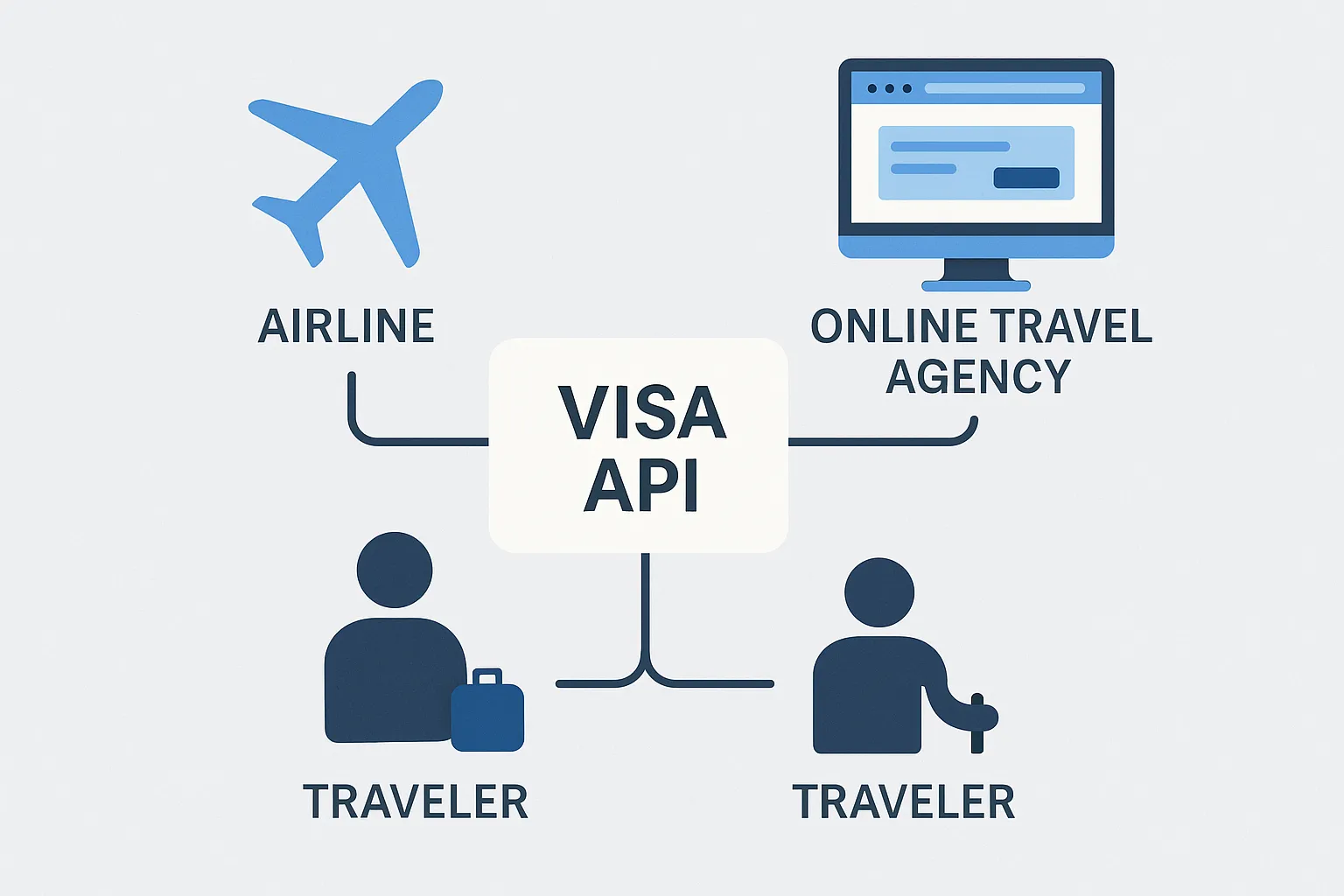
When customers hit a visa roadblock, they abandon carts or call support. Embedding a modern visa journey eliminates that friction and turns compliance into incremental revenue.
What great looks like in production:
- Automated eligibility, surface entry rules and visa options the moment an itinerary is selected.
- In‑flow applications, prefill forms with booking data and collect documents with live validation to reduce rework.
- Real‑time status and alerts, keep travelers and agents aligned on approvals, requests, or expiries.
How SimpleVisa helps travel businesses deliver this experience:
- Visa processing automation and guided flows that reduce errors and lift approval rates.
- Integration choices to match your roadmap, drop a no‑code widget for speed, launch a white‑label portal, or use the API to fully embed in checkout.
- Proven scalability, service available on 400 plus sites, with enterprise‑grade security and compliance.
- Ancillary revenue built in, convert compliance into a margin‑positive add‑on with clear pricing and reporting.
Explore the technical path in our article on how eVisa APIs work, or compare integration models in the guide to API vs. white‑label visa services.
Troubleshooting denials without starting from zero
Even strong applications can be refused. When that happens, focus on clarity and speed:
- Read the refusal reason carefully and gather the exact evidence requested, for example, stronger proof of funds or a corrected itinerary.
- Fix root causes before reapplying. If a photo or passport scan failed once, replace it with a compliant file.
- Consider an alternative category or destination if timing is critical.
For OTAs and airlines, there is real revenue at stake when a customer’s visa is denied. Practical recovery tactics are covered in SimpleVisa’s playbook on visa denial recovery for OTAs.
Putting it all together
Visa procedures do not need to be opaque. If you handle the fundamentals, accurate data, compliant documents, on‑time responses, you will avoid nearly all preventable delays and move smoothly from forms to final approval. Travelers can use the checklists linked above to prepare confidently. Travel brands can embed the entire journey so customers never leave the booking flow to figure out border rules.
Ready to remove the friction from your next trip or your customer’s next booking? SimpleVisa’s guided applications, API integrations, and white‑label portals make compliance effortless while unlocking new ancillary revenue. Learn more or request a demo at https://simplevisa.com.
Further reading on SimpleVisa: