When to Ask for Visa Help and When You Can DIY
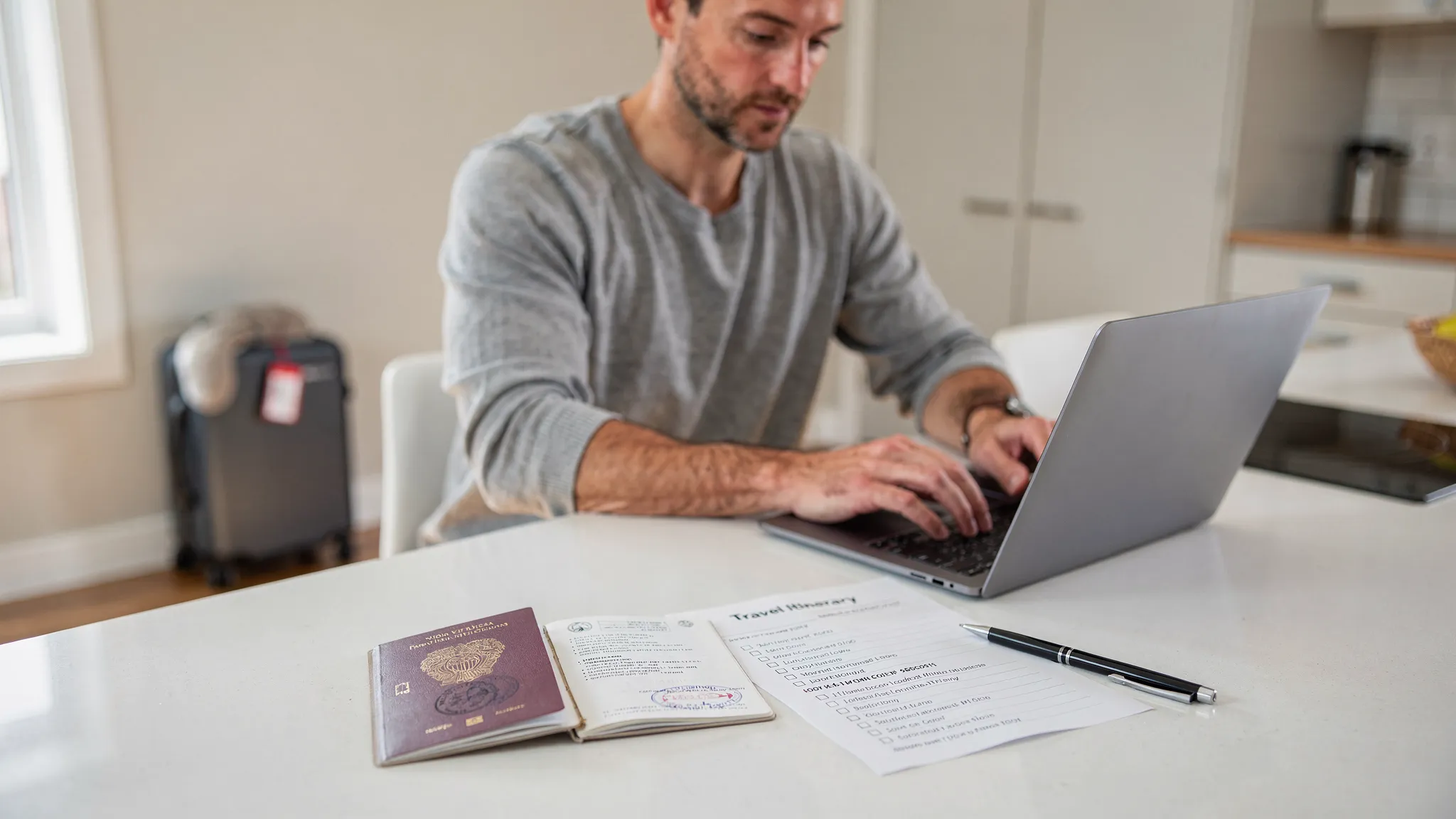
Most travelers can complete a straightforward eVisa or eTA application on their own in under an hour. The trouble is that “straightforward” is doing a lot of work in that sentence.
A small mismatch, a misunderstood eligibility rule, or a last-minute document request can turn a DIY visa application into a cancelled trip, denied boarding, or a stressful airport day. This guide helps you decide when you can safely DIY and when it’s smarter to ask for visa help, before you’ve sunk time, money, and confidence into the wrong path.
The real question is not “Can I apply online?”
Most border requirements today are digital in some form, but digital does not always mean simple.
“Visa help” can mean different things depending on your trip:
- Guided online visa processing (help understanding requirements, validating uploads, keeping information consistent, tracking status)
- Human support (a specialist reviewing details, helping with exceptions, handling communications)
- Legal counsel (when admissibility or long-term status is involved)
DIY works best when the risk of mistakes is low and the rules are predictable. Help is worth it when the consequences of being wrong are high, or the application is not purely “fill in the form and upload a photo.”
A quick decision framework: 4 factors that determine DIY vs help
1) The document type: eVisa/eTA vs consular visa
If your destination offers a true electronic visa (eVisa) or electronic travel authorization (eTA/ETA/ESTA-like permit), DIY is often realistic.
If you need a consular visa (appointment, biometrics, interview, mailed passport, additional screening), DIY becomes harder because:
- Requirements are more variable
- Timelines are less predictable
- Small documentation gaps often cause delays
2) Your traveler profile: “clean and simple” vs “needs context”
DIY is easier when your travel history and personal details are uncomplicated.
You are more likely to benefit from help if you have factors that require extra interpretation or consistency checks, like prior refusals, dual citizenship, recent name changes, or complex travel history.
3) The trip profile: short tourism vs high-stakes travel
Weekend tourism with flexible dates is different from:
- A cruise with strict embarkation cutoffs
- A wedding, conference, or once-in-a-decade family reunion
- Multi-country itineraries where entry rules interact (transit rules, onward travel, re-entry limits)
The higher the stakes, the more valuable prevention becomes.
4) Your time window: buffer vs last-minute
Most mistakes are fixable if you have time. They become trip-ending if you do not.
Even when the government advertises fast processing, exceptions happen: additional document requests, manual review, or payment verification issues.
DIY vs visa help: common scenarios (use this table as a shortcut)
| Scenario | DIY is usually fine when… | Ask for visa help when… |
|---|---|---|
| Simple eVisa or eTA for tourism | Single passport, standard tourism purpose, plenty of time, documents ready | You are close to departure or unsure about eligibility rules |
| Multi-country trip | Each country has clear, separate entry rules and you have a clean itinerary | You have transits, back-to-back entries, or unclear “point of entry” logic |
| Business travel | You meet the destination’s definition of business visitor | You might be doing paid work, installation, training delivery, or long stays |
| Traveling with minors | Parent names and documents are consistent | Custody, different last names, one parent traveling, missing documentation |
| Dual citizenship | You are confident which passport to use for the full journey | You might enter/exit on different passports or the rules differ by nationality |
| Any past immigration issue | It was minor and you have clear documentation | Prior refusal, overstay, deportation, or anything involving admissibility |
| Document changes | Your passport and booking details match exactly | New passport, name mismatch on ticket/passport, or old visas tied to old passport |
| Tech and uploads | You can produce clean scans and compliant photos | You keep getting upload errors or photo rejections |
When you can DIY (with confidence)
DIY is a good choice when the application is essentially a structured form, and you can reliably supply the correct information and documents.
You can usually DIY if all of the following are true:
- You’re applying for an eVisa or eTA (not a consular visa with an interview)
- Your purpose is standard tourism or short business visitor activity (as defined by the destination)
- Your passport has comfortable validity and you are using the same passport for the whole trip
- Your booking details match your passport (name order, spelling, date of birth)
- You have a time buffer (ideally weeks, not days)
If that sounds like you, your “DIY success rate” mostly depends on execution: copying passport details accurately, uploading the right file types, and following official instructions.

When you should ask for visa help (the red flags)
If any of these are true, getting help is not a luxury. It is risk management.
You are not 100% sure you are applying for the right document
This happens more than people expect, especially with similarly named systems (eVisa vs ETA vs visa waiver) and destinations that have multiple categories.
If you are asking questions like “Is this a visa or an authorization?” or “Can I do business activities on this?” you are already in the zone where guided support helps.
Your case needs interpretation, not data entry
Ask for help if your answers are not purely factual, for example:
- Your work activities are borderline (training, consulting, paid gigs, volunteering)
- Your trip purpose includes multiple activities
- You have complex travel history that requires precise disclosure
A wrong interpretation can lead to refusal, and in some countries, refusals can affect future applications.
You have a tight deadline or fixed travel date
If you are within days of departure, the cost of a mistake increases sharply. Even if you ultimately DIY, it is worth using a guided process with status tracking and clear prompts, so you do not lose time to preventable rework.
You have any “exception” profile
Help is strongly recommended if you have:
- A prior visa refusal
- A previous overstay
- A criminal history question you are unsure how to answer
- Dual citizenship with unclear passport strategy
- A new passport but old approvals linked to the previous passport
- A name mismatch across passport, ticket, and prior documents
Some of these situations require legal advice, not just application help. The key is to escalate early, not after a refusal.
You are seeing warning signs of fraud or a non-official process
If you landed on a site via an ad and it looks “government-ish” but you are not sure it is official, stop and verify.
If you want a practical safety checklist, see SimpleVisa’s guide on how to apply for a travel visa online safely.
What “visa help” should look like (and how to choose the right level)
Not all help is the same. Choose based on the problem you are trying to avoid.
If you just want fewer mistakes, choose guided online visa processing
This is ideal when you are eligible, but you want to avoid errors like:
- Typos and passport-number mistakes
- Incorrect photo format
- Missing supporting documents
- Inconsistent answers across fields
Guided workflows are also helpful if you are applying on mobile, traveling while applying, or coordinating documents across family members.
If your situation is complex, consider specialist review
Human review is valuable when the risk is not “I might upload the wrong file,” but “I might answer a question incorrectly and trigger a refusal.”
If your issue touches admissibility or long-term status, talk to an immigration attorney
If the application involves work authorization, residence pathways, prior removal orders, or legal inadmissibility, do not rely on generic support. That is legal territory.
If you choose to DIY: a 10-minute pre-submit audit
Before you click submit, do this quick review. It prevents the most common self-inflicted issues.
- Confirm you are on the correct channel (official government portal or a trusted provider)
- Copy your name exactly as shown in the passport MRZ (the machine-readable lines)
- Verify passport number, issue date, and expiry date character by character
- Re-check “purpose of travel” definitions and do not guess
- Ensure your photo meets the stated requirements (size, background, recency)
- Upload clean scans (no glare, no cropped corners, readable text)
- Save confirmations and reference numbers immediately
- Store a local backup of the approval (PDF and screenshot)
If something still feels unclear, it is faster to ask one good question than to fix one bad submission.
For travel brands: the best time to offer visa help is earlier than you think
If you operate an airline, OTA, tour operator, cruise line, or TMC, visa friction typically shows up as:
- Abandoned bookings when travelers discover requirements late
- Increased support contacts (“Do I need a visa?” “Is my eVisa valid?”)
- Day-of-travel disruption and denied boarding risk
Offering guided visa applications as an add-on can also create ancillary revenue while improving customer confidence.
SimpleVisa is built for travel businesses to streamline visa and eVisa management through API integration, a white-label visa application app, or no-code implementation, depending on how embedded you want the experience to be.
If you are also thinking about how to market and package these add-ons inside your booking flow, working with an AI-powered digital marketing agency can help align conversion strategy, UX, and automation so the offer is discoverable and trustworthy.
If you want to operationalize support, SimpleVisa also outlines when to escalate and what to prepare in its visa support contact guide.
Frequently Asked Questions
Is it safe to apply for a visa online by myself? Yes, if you are using the official government portal (or a trusted provider), have a straightforward profile, and can follow document and photo specifications precisely.
When should I not DIY an eVisa? Do not DIY if you have a prior refusal/overstay, unclear eligibility, a complex purpose (especially work-related), a name/passport mismatch, or a very tight timeline.
Does getting an eVisa guarantee entry? No. A visa or travel authorization typically allows you to travel to a port of entry, final admission is decided by border officials.
What’s the difference between “visa help” and an immigration lawyer? Visa help is usually about guidance, document readiness, and preventing errors. Lawyers are for legal advice and admissibility, especially for complex cases or long-term status.
If I’m a travel company, when should I surface visa requirements? As early as possible, ideally during booking and again post-booking, so travelers can act while there is still time and you can reduce support volume and disruption risk.
Make visa decisions simple, for you and your travelers
If you are a traveler, use the framework above to decide whether you can confidently DIY or whether you should switch to a guided application flow before you submit.
If you are a travel business, the upside of offering visa help is twofold: fewer disrupted trips and a stronger ancillary offer. To explore SimpleVisa’s integration options (API, white-label app, or no-code), visit SimpleVisa and evaluate what best fits your booking flow and support model.