Best Sources for Visa Help You Can Actually Trust
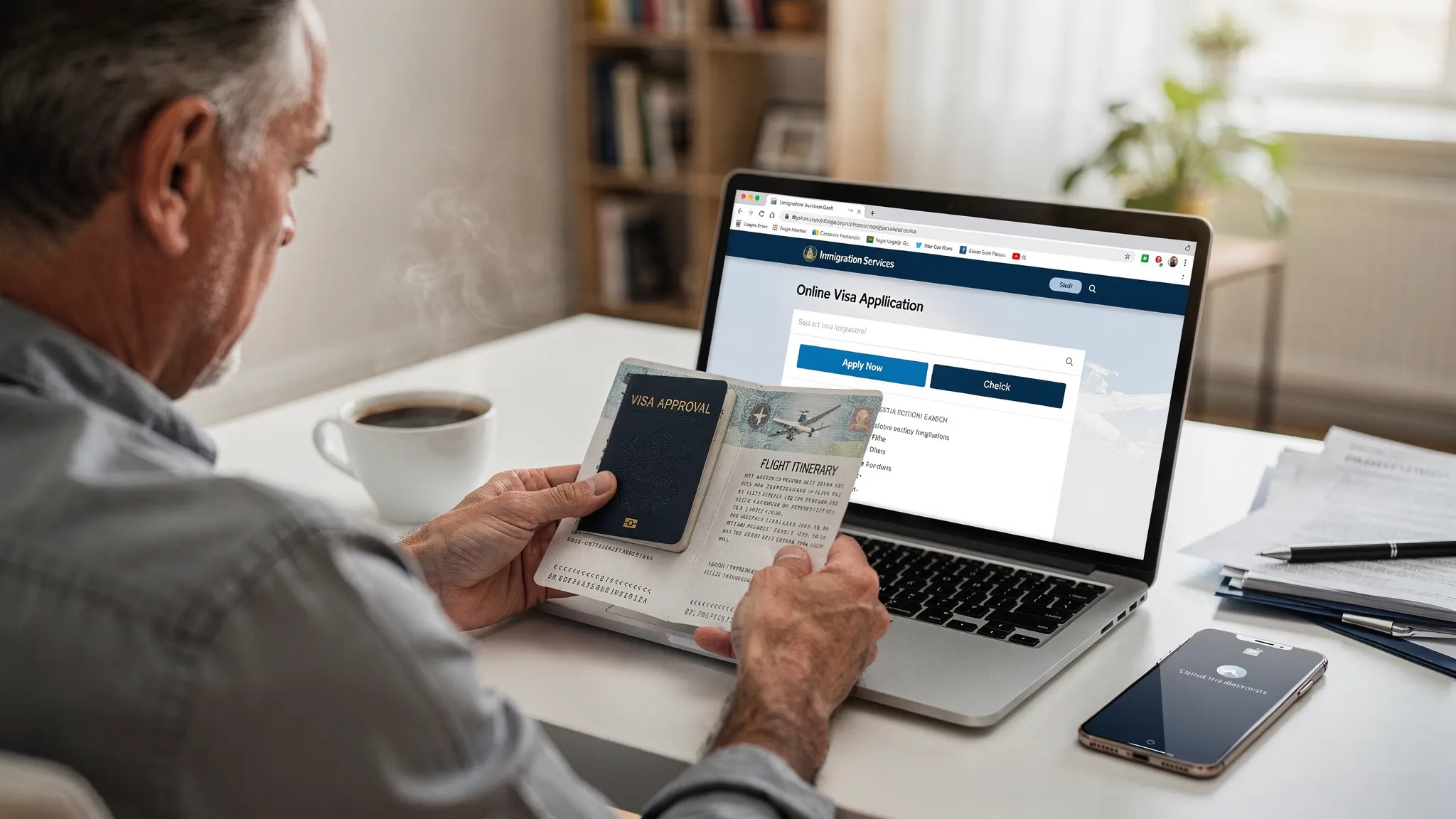
Visa rules change often, and the consequences of bad advice can be expensive: missed flights, rejected applications, denied boarding, nonrefundable hotel bookings, or even a refusal that affects future travel. The challenge is that “visa help” is everywhere, from official government portals to social media threads, AI chatbots, travel forums, agencies, airlines, and third-party application sites.
Some of these sources are excellent. Some are incomplete. Some are outdated. A few are outright fraudulent.
The safest approach is not to rely on one source blindly. Instead, use a trust hierarchy: start with official immigration sources, verify details through qualified or authorized channels, and use reputable visa support platforms when you need help translating requirements into a clean, complete application.
What “trusted visa help” really means
A trustworthy visa source should do three things well: provide accurate requirements, make clear who is responsible for the final decision, and protect your personal data.
That matters because visa requirements are not universal. They depend on your passport nationality, destination, purpose of travel, length of stay, transit points, prior travel history, and sometimes even your airline route. A U.S. passport holder visiting Turkey for tourism may face a different process than an Indian passport holder transiting through the UK on the way to Canada. A traveler attending a conference may need different supporting documents than someone going on vacation.
A reliable source should never promise guaranteed approval. Immigration authorities make the final decision, and border officers may still ask questions even after an eVisa or travel authorization is approved. Trustworthy help reduces mistakes, clarifies requirements, and improves preparation, but it does not override government rules.
The most reliable sources for visa help
1. Official government immigration websites
For most travelers, the best first source is the official immigration or foreign affairs website of the destination country. These sites publish the legal requirements for visas, electronic visas, eTAs, permitted activities, fees, validity, processing times, and entry conditions.
Examples include the U.S. Department of State travel site, GOV.UK visa guidance, and the European Union’s travel and border information. For country-specific eVisa systems, look for the official government domain or a portal clearly linked from the government’s main site.
Government sites are the source of truth, but they are not always easy to use. Some are highly technical, some are translated imperfectly, and some spread information across multiple pages. Treat them as the foundation, then use other trusted sources to interpret or operationalize what you find.
2. Embassies and consulates
Embassies and consulates are especially useful when your situation is not straightforward. For example, you may need consular guidance if you have dual citizenship, a prior visa refusal, a criminal record, an urgent humanitarian reason to travel, or a passport that will expire soon.
Consular websites often list appointment procedures, document checklists, interview requirements, and contact channels. If you call or email, be concise and include the relevant facts: nationality, destination, travel dates, purpose of travel, current location, and whether you already submitted an application.
The limitation is speed. Embassy response times can vary, and many consulates will not provide personalized legal advice. Still, for unusual cases, they are one of the safest places to verify official procedure.
3. Airline and airport travel document tools
Airlines have a strong incentive to help passengers travel with correct documents. If a passenger is denied boarding or refused entry, it can create operational problems and potential carrier liabilities. This is why many airlines rely on travel document databases and pre-travel checks during booking or check-in.
The IATA Travel Centre is a widely used public resource for checking passport, visa, and health-related entry requirements. Airline tools can be very helpful because they account for transit rules and routing, not just final destination.
However, airline tools should not replace the official destination authority. They are best used as a cross-check, especially when your itinerary includes layovers, code-share flights, or multiple countries.
4. Licensed immigration lawyers and accredited advisers
If your case has legal complexity, a licensed immigration lawyer or accredited adviser may be the best source of visa help. This is especially true for work visas, investor visas, family immigration, long-term study, permanent residency, appeals, and cases involving prior refusals.
A reputable legal professional should be able to explain their licensing status, scope of advice, fees, and expected process. They should also be clear about what they can and cannot guarantee.
Legal help may be more expensive than a standard online visa service, but it can be worth it when the outcome has long-term consequences. If you are applying for a simple tourist eVisa, a lawyer may be unnecessary. If your travel depends on employment authorization, family sponsorship, or immigration history, professional legal advice can prevent costly mistakes.
5. Reputable visa application platforms
Trusted visa platforms can be valuable when you want guidance through an application, document preparation, and submission steps. This is particularly useful for travelers who are not familiar with digital forms, families submitting multiple applications, and travel companies that need to support customers at scale.
The best platforms do not pretend to be the government. They clearly disclose whether they are an intermediary, explain fees, provide secure payment, protect traveler data, and guide applicants based on destination-specific requirements.
For travel businesses, this is where a visa management platform can become more than a support tool. Solutions like SimpleVisa help travel companies integrate guided visa application flows into booking journeys, white-label experiences, APIs, or data services. This gives customers practical help at the moment they need it while helping travel brands reduce document-related friction and create ancillary revenue.
If you are comparing providers, focus on transparency, security, coverage, ease of integration, and the quality of support. For a deeper vendor framework, see SimpleVisa’s guide on how to evaluate a visa processing company.
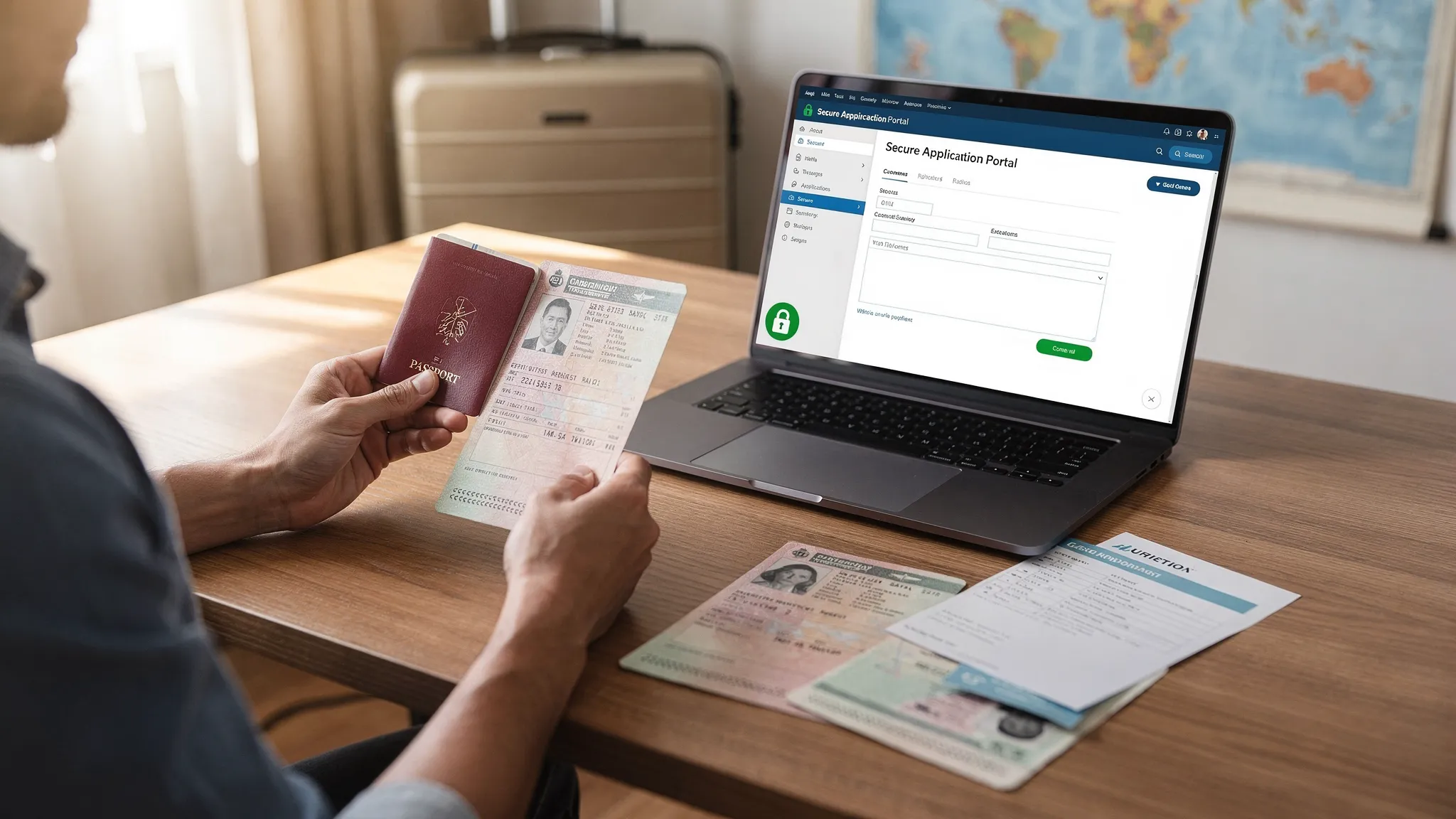
Which source should you trust for each type of visa question?
Not every source is best for every question. Use the table below as a practical shortcut.
| Visa question | Best first source | Best secondary check |
|---|---|---|
| Do I need a visa or eVisa? | Official immigration website | Airline or IATA travel document tool |
| What documents are required? | Government visa portal | Trusted visa platform or embassy checklist |
| Can I transit without a visa? | Airline document tool | Destination and transit-country government sites |
| Why was my visa refused? | Refusal notice and immigration authority | Licensed immigration lawyer |
| Can I work, study, or stay long-term? | Government immigration guidance | Licensed adviser or lawyer |
| Is this visa website legitimate? | Government domain and official links | Scam checks, reviews, and secure payment verification |
| How can a travel business support customers? | Visa management platform | API, white-label, or data service provider demo |
Sources to use with caution
Some sources can be helpful for general context, but they should not be your final authority.
Travel forums, Reddit threads, Facebook groups, and blog comments can reveal real traveler experiences, but they are often anecdotal. A rule that worked for one traveler may not apply to your passport, travel date, or visa category.
AI chatbots can summarize information quickly, but they may be outdated or wrong if not connected to verified immigration data. Use them for general orientation, not final decisions.
Influencer posts and short-form videos are even riskier. Visa rules often depend on fine print, and short content can oversimplify important details such as maximum stay, permitted activities, passport validity, or whether an authorization is valid for multiple entries.
Online reviews can help you evaluate service quality, but they cannot confirm that visa advice is legally accurate. A company can have good customer service and still provide incomplete guidance if its data is outdated.
Red flags that a visa help source is not trustworthy
Fraudulent or low-quality visa services tend to show similar warning signs. Be cautious if a website or agent displays any of the following:
- It guarantees approval or claims to have special influence over immigration officers.
- It hides government fees, service fees, or refund rules until the final step.
- It uses a domain that imitates a government website without clear disclosure.
- It asks for payment through wire transfer, gift cards, cryptocurrency, or informal messaging apps.
- It pressures you with fake countdown timers or “limited approval slots.”
- It has no privacy policy, company details, or secure checkout.
- It asks for more personal data than the visa process reasonably requires.
A legitimate visa source should make you feel more informed, not rushed or confused. If something feels off, stop before uploading your passport or payment details.
For more safety guidance, read SimpleVisa’s guide on how to apply for a travel visa online safely.
How to verify a visa help website before you use it
Before you submit personal information, take a few minutes to verify the site. This is especially important because visa applications involve sensitive data such as passport numbers, birth dates, addresses, travel history, and payment details.
Start by checking the domain. Official U.S. government sites usually end in .gov, UK central government services use gov.uk, and many other countries use recognizable government domains. Some countries use dedicated eVisa portals, so confirm the link from the official ministry or immigration website rather than through a search ad.
Next, look for clear fee disclosure. A service provider may charge a legitimate processing or assistance fee, but it should distinguish that fee from the government charge. If the total cost is unclear, leave the site.
Then assess the support structure. A trustworthy provider should offer a clear contact path, realistic response expectations, and a process for correcting mistakes or tracking status. Vague “24/7 support” claims without actual contact details are not enough.
Finally, review security basics. The site should use HTTPS, provide a privacy policy, explain how data is handled, and offer secure payment methods. If you are a travel business evaluating a provider, ask about data protection, API security, audit logs, and compliance practices before integration.
When free visa help is enough, and when it is not
Free sources are often enough for simple trips. If you are traveling for tourism, have a common passport-destination combination, and the government portal is clear, you may only need official guidance plus a document checklist.
Paid or professional help becomes more useful when the cost of a mistake is high. That includes urgent travel, group travel, complex itineraries, prior refusals, business travel, study abroad, work authorization, or cases where documents must meet strict format rules.
Travel companies face a different calculation. Even if each traveler’s question seems simple, support volume can become expensive. Manual visa support can increase customer service workload, create inconsistent answers, and cause booking abandonment when travelers discover requirements too late. Automated visa guidance, online visa processing, and embedded application flows can turn a confusing compliance issue into a smoother customer experience.
A simple trust checklist before acting on visa advice
Use this quick checklist before you rely on any visa source:
- Does the advice match the official immigration website for your destination?
- Is the guidance specific to your passport, purpose of travel, dates, and route?
- Are fees, processing times, and limits clearly explained?
- Does the provider avoid approval guarantees?
- Is there a secure way to submit documents and payment?
- Can you contact support if something goes wrong?
- Is the information current enough for your travel date?
If the answer is “no” to more than one of these questions, verify through a stronger source before applying.
Frequently Asked Questions
What is the most reliable source for visa help? The most reliable source is the official immigration or foreign affairs website of the country you plan to visit. For complex cases, confirm with an embassy, consulate, or licensed immigration professional.
Are third-party visa services safe to use? Many are safe, but you should verify transparency, fees, security, data handling, and whether the provider clearly states that the government makes the final decision. Avoid any service that guarantees approval.
Can airline visa tools be wrong? Airline and travel document tools are useful, especially for transit rules, but they should be cross-checked with official government guidance. Rules can change, and final authority rests with immigration officials.
Should I trust visa advice from social media? Use social media only for general traveler experiences. Do not rely on it for final visa decisions, because advice may be outdated or specific to another nationality or travel purpose.
When should I use a lawyer instead of an online visa service? Consider a licensed immigration lawyer for work visas, residency, appeals, previous refusals, criminal history issues, family immigration, or any case where legal rights and long-term status are involved.
Give travelers visa help they can trust
For travelers, trusted visa help starts with official sources and careful verification. For travel businesses, trust also depends on delivering the right guidance at the right moment in the customer journey.
SimpleVisa helps travel companies simplify border crossing administration with guided visa applications, online visa processing, API integration, white-label options, and custom data services. If you want to reduce customer confusion while creating a smoother ancillary revenue stream, connect with SimpleVisa to explore the best integration model for your business.