Visa Help After a Rejection: Your Next Best Steps

A visa rejection can disrupt flights, hotels, work plans, family visits, and long-awaited vacations. It is also easy to react too quickly, submit the same application again, or assume the decision is final when it may not be. The better approach is calm, structured, and evidence-based: understand the decision, identify what went wrong, choose the right route, and strengthen your next submission.
This guide explains what to do after a visa rejection, including how to read the refusal notice, when to appeal or reapply, what documents to improve, and when to seek professional visa help. It is general information, not legal advice. Immigration rules vary by country, visa type, nationality, travel purpose, and personal history, so always check official guidance for your destination.
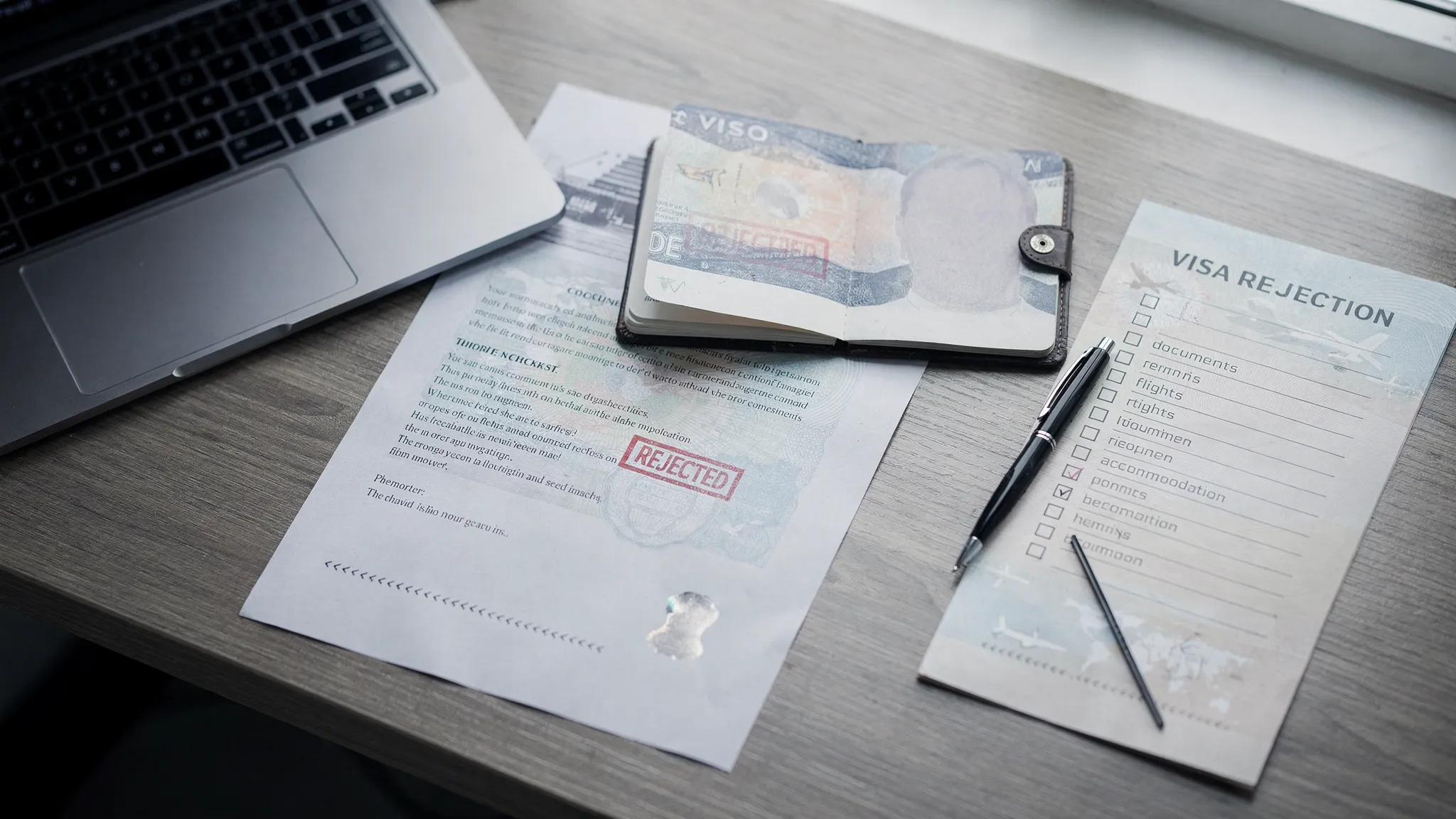
First, confirm what kind of “rejection” you received
Travelers often use the word “rejection” for several different outcomes. Before deciding what to do next, confirm the exact status of your case. A technical error, incomplete online visa application, eVisa refusal, administrative review, or formal denial can each require a different response.
| Decision or status | What it usually means | Your best first step |
|---|---|---|
| Application not submitted | The form was incomplete, payment failed, or documents did not upload | Fix the technical issue and submit only when the application is complete |
| Additional information requested | The authority needs more evidence before deciding | Respond before the deadline with the exact documents requested |
| Administrative processing or review | The application is still being checked | Monitor status and avoid duplicate applications unless instructed |
| Refused, denied, not approved, or rejected | A decision has been made against the application | Read the refusal reason and decide whether to appeal, review, or reapply |
| Travel authorization not approved | Often means you cannot use that simplified route, such as an eTA or ESTA-style system | Check whether you must apply for a traditional visa instead |
This distinction matters because a “rejected” online form may be easy to correct, while a formal refusal may create a record that must be disclosed in future applications. If the decision notice asks, “Have you ever been refused a visa?” you should answer accurately.
Step 1: Read the refusal notice line by line
The refusal notice is the most important document you have. It usually explains the legal basis for the decision, the broad reason for refusal, whether appeal or administrative review is available, and any deadline for action.
Do not rely only on the short status message in an online portal. Download the full notice, save the email, and keep copies of the application you submitted. If you used a third party, ask for the full submission record, including uploaded files and answers entered on your behalf.
Look specifically for these details:
- The exact reason or refusal code
- Whether the problem was eligibility, missing evidence, credibility, security, overstays, health, funds, or travel purpose
- Whether you can appeal, request review, or submit a new application
- The deadline for appeal or review
- Whether the application fee is refundable, which is uncommon
- Whether the refusal affects future travel or only this specific application
Some refusal letters are brief and frustratingly generic. Even then, the wording can guide your next move. For example, a decision based on insufficient proof of funds requires a different strategy than a decision based on applying under the wrong visa category.
Step 2: Identify the real reason, not just the stated reason
Visa decisions are often based on the total picture. A refusal notice may say “insufficient evidence,” but the deeper issue may be inconsistent dates, unclear purpose of travel, weak ties to your home country, or documents that did not match the form.
The most common reasons for visa rejection include:
| Refusal reason | What may have gone wrong | How to strengthen the next application |
|---|---|---|
| Incomplete application | Missing fields, skipped declarations, unreadable uploads | Use a checklist and review every field against official documents |
| Incorrect personal details | Name, passport number, date of birth, or nationality mismatch | Copy data directly from the passport and confirm formatting |
| Weak travel purpose | Itinerary, invitation, or business reason was unclear | Add a clear itinerary, invitation letter, event proof, or employer letter |
| Insufficient funds | Bank statements did not show enough available money or stable income | Provide recent statements, payslips, sponsor proof, or employment evidence |
| Weak ties to home country | The officer was not convinced you would return | Include job, school, family, property, business, or other return evidence |
| Wrong visa type | The selected visa did not match your planned activity | Choose the correct category for tourism, business, study, transit, or work |
| Prior immigration issue | Previous overstay, refusal, deportation, or rule breach raised concern | Explain the history honestly and provide evidence of compliance since then |
| Security, health, or character concern | Background checks raised an issue | Seek qualified legal advice before reapplying |
If you are applying for an electronic visa, small mistakes can be especially costly because online systems may screen data automatically. A typo in passport details, a poor-quality photo, or an inconsistent travel date can trigger delays or refusals. For prevention tips, review SimpleVisa’s guide to common mistakes to avoid when applying for an electronic visa.
Step 3: Do not reapply immediately with the same evidence
A second application is not automatically stronger because it is newer. If you submit the same answers and the same documents, you may receive the same decision. In some systems, repeated weak applications can also make future reviews harder because they create a pattern of unresolved concerns.
Before reapplying, ask three questions:
What changed since the refusal? A better application should include new or corrected evidence, not just a new payment.
Can I directly address the refusal reason? If the decision questioned your funds, purpose, or ties, your new application should clearly respond to that point.
Is reapplication the correct route? In some cases, an appeal, administrative review, waiver, or different visa category may be more appropriate than a fresh application.
If the problem was minor, such as a wrong document format or missing hotel booking, reapplication may be straightforward. If the problem involved credibility, previous immigration violations, criminal history, or suspected misrepresentation, get advice before submitting anything else.
Step 4: Decide whether to appeal, request review, or reapply
After a refusal, the next best step depends on the destination’s rules and the type of decision. Not every visa refusal can be appealed. Some countries allow administrative review only for specific categories. Others permit a new application at any time, but that does not mean it is wise to rush.
When an appeal may make sense
An appeal can be appropriate when you believe the decision-maker made an error, ignored evidence, misunderstood your documents, or applied the wrong rule. Appeals can take longer than reapplying and may require legal arguments, so they are usually more suitable for high-value or complex cases, such as family, work, study, residency, or long-stay visas.
Check the refusal notice carefully. Appeal deadlines can be short, and missing the deadline may remove that option.
When administrative review may make sense
Administrative review is usually narrower than an appeal. It may focus on whether the authority made a case-working error rather than whether you can provide entirely new evidence. If your refusal letter mentions administrative review, follow the instructions exactly and respond within the stated timeframe.
When reapplication may make sense
Reapplication can be the best route when the refusal was caused by missing documents, poor-quality uploads, insufficient explanation, or applying too close to travel. A new application gives you an opportunity to correct the record, but it should be materially stronger.
If you are unsure where to start, SimpleVisa’s guide, Need Help With a Visa Application? Start Here, explains the main application paths and support options.
Step 5: Rebuild your documentation package
A stronger second application is usually built around clarity. The officer or automated screening system should be able to understand who you are, why you are traveling, how you will pay, where you will stay, and why you will follow the rules.
At minimum, review these areas before submitting again.
Passport and identity details
Make sure your passport is valid for the required period after your intended entry or exit date. Confirm that your passport number, issuing country, expiration date, date of birth, and full name match exactly across your application, ticket, invitation letter, hotel booking, and eVisa profile.
Name mismatches are common, especially when applicants have multiple surnames, hyphenated names, transliteration differences, or married and maiden names. If you have a mismatch, fix it before reapplying.
Travel purpose and itinerary
Your itinerary should match your visa type. A tourist visa application should not look like an undeclared work trip. A business eVisa application should explain the meetings, conference, customer visit, or negotiations you plan to attend, while also showing that you will not perform unauthorized local employment.
Include consistent dates across flight reservations, hotel bookings, invitation letters, conference registrations, and leave approvals. If your itinerary is flexible, explain that clearly rather than leaving gaps.
Financial evidence
Financial documents should show that you can afford the trip without working illegally or overstaying. Recent bank statements, payslips, tax documents, sponsor letters, business income proof, or scholarship letters may be relevant depending on the visa type.
Avoid large unexplained deposits right before applying. If you have a sponsor, include proof of the sponsor’s identity, relationship to you, financial ability, and willingness to support your stay.
Ties to your home country
For many temporary visas, the decision-maker needs confidence that you will leave before your authorization expires. Evidence can include employment, school enrollment, family responsibilities, property, business ownership, return travel, or other commitments.
This is not about submitting every document you own. It is about selecting evidence that logically supports your return plans.
Prior refusals and travel history
If you have been refused a visa before, disclose it when asked. Hiding a refusal is often worse than the refusal itself. Provide a concise explanation of what happened and what has changed. If a previous refusal was caused by an error, include evidence showing the correction.
For a broader preparation framework, use a reliable visa application checklist before you submit your next application.
Step 6: Write a concise explanation, not an emotional argument
If the application allows a cover letter or explanation, use it wisely. A strong explanation is factual, organized, and directly connected to the refusal reason. It should not blame the officer, exaggerate urgency, or overload the file with irrelevant personal details.
A useful post-refusal explanation typically includes:
- A brief statement that you understand the previous refusal
- The specific issue you are addressing
- A summary of new or corrected evidence
- A clear description of your travel purpose and dates
- A statement of compliance with visa conditions
Keep the tone professional. If the refusal involved complex legal issues, ask a qualified immigration lawyer or regulated adviser to help draft the response.
Step 7: Reconsider your travel timeline and bookings
Visa rejection can create a timing problem. If your travel date is close, you may need to adjust plans before reapplying. Applying under pressure increases the risk of another mistake.
Review cancellation policies for flights, hotels, tours, insurance, and event registrations. If your visa was required for boarding, do not assume you can “explain it at the airport.” Airlines and border authorities may deny boarding or entry if your visa, eVisa, ETA, or supporting documents are not valid.
For urgent trips, check whether expedited processing exists, but remember that faster processing does not improve eligibility. It only speeds up the decision. If the application is weak, expedited review may simply produce a faster refusal.
When to seek professional visa help after a rejection
Many travelers can fix a simple eVisa issue themselves. However, professional help is worth considering when the stakes are high or the refusal reason is not straightforward.
Get qualified help if your case involves prior overstays, deportation, criminal history, medical inadmissibility, suspected misrepresentation, family migration, long-term work or study plans, repeated refusals, or appeal deadlines. A licensed immigration attorney or regulated adviser can explain legal options that a general travel support team may not be authorized to provide.
For simpler travel document issues, a trusted visa processing platform can help reduce avoidable errors by guiding applicants through requirements, document uploads, and status tracking. If you are comparing providers, read Online Visa Services Compared: What Matters Most to understand what separates reliable support from risky services.
Be cautious of anyone who guarantees approval. No legitimate provider can promise a visa decision, because final authority belongs to the government or border agency.
How travel businesses should support customers after a visa rejection
For airlines, OTAs, tour operators, cruise lines, and travel agencies, a rejected visa application is more than an individual inconvenience. It can lead to abandoned bookings, refunds, support tickets, denied boarding risk, poor reviews, and lost ancillary revenue.
A better post-rejection process helps customers recover faster and protects the travel brand’s reputation. Travel businesses should consider building a clear support flow that explains decision statuses, collects refusal reasons, guides customers to the next best option, and escalates complex cases.
The best post-rejection support pages usually include plain-language explanations, country-specific next steps, document checklists, refund and rebooking guidance, and links to official resources. If your team is improving these public-facing pages, discoverability matters too. Some travel brands work with digital specialists such as internet marketing service providers to make important customer guidance easier to find and navigate online.
Operationally, travel companies should also track refusal patterns. If many customers are being rejected for the same reason, the issue may be unclear instructions, poor document capture, wrong visa routing, or outdated eligibility data. That is where travel document automation can help.
SimpleVisa supports travel businesses with visa processing automation, travel API integration, white-label visa application options, custom data services, guided customer visa applications, and premium eVisa management. These tools can help travel providers surface the right requirements earlier in the booking journey, reduce preventable application errors, and create a more reliable ancillary service.
For a performance-focused view, see Visa Success Rate: How to Improve Your Odds.
What not to do after a visa rejection
A refusal is stressful, but a rushed response can make things worse. Avoid these common mistakes:
- Do not submit the same application again without changes
- Do not hide the refusal on future applications if asked
- Do not use fake documents, edited bank statements, or false employment letters
- Do not book non-refundable travel before you understand processing timelines
- Do not rely on social media advice that ignores your nationality, visa type, or destination rules
- Do not assume an eVisa refusal means you are permanently banned
- Do not miss appeal or review deadlines while deciding what to do
Integrity matters. A refused application can often be fixed. A finding of deception or misrepresentation can have much more serious long-term consequences.
A practical 48-hour plan after a visa rejection
If you just received a refusal, use the next two days to organize your response instead of panicking.
| Timeframe | Action | Why it matters |
|---|---|---|
| First hour | Download the refusal notice and save all emails | You need the exact wording and deadlines |
| Same day | Compare the decision with your submitted application | This helps identify missing or inconsistent evidence |
| Same day | Check whether appeal, review, or reapplication is available | The best route depends on the rules and deadline |
| Next 24 hours | List every document that could address the refusal reason | A stronger application needs targeted evidence |
| Next 48 hours | Decide whether to seek professional help | Complex cases should not be handled through guesswork |
| Before reapplying | Update documents, correct errors, and review every field | Reapplication should show a meaningful improvement |
This structure prevents the two biggest post-rejection mistakes: doing nothing until the deadline passes, or reapplying too quickly without solving the underlying problem.
Frequently Asked Questions
Does a visa rejection mean I can never travel to that country? Not always. Many refusals are specific to the application submitted and can be addressed with better evidence, a different visa type, or a corrected application. However, serious issues such as fraud, overstays, criminal history, or inadmissibility may have longer-term effects.
Should I appeal or reapply after a visa rejection? It depends on the destination and refusal reason. Appeal or review may be better if the decision appears legally or factually wrong. Reapplication may be better if you can correct missing documents, inaccurate details, or weak evidence. Check the refusal notice before deciding.
How soon can I reapply after a visa refusal? Some countries allow immediate reapplication, while others have waiting periods or practical processing constraints. Even if you can reapply right away, wait until you have fixed the problem that caused the refusal.
Do I need to disclose a previous visa refusal? If the application asks about prior refusals, answer truthfully. Failure to disclose can be treated as misrepresentation and may create a bigger problem than the original refusal.
Can an eVisa rejection be fixed? Often, yes. If the issue was a typo, incomplete document, wrong visa category, or unclear travel purpose, a corrected application may succeed. If the issue involves eligibility or security screening, you may need a different visa route or professional advice.
Can SimpleVisa guarantee approval? No. No visa platform, agency, or consultant can guarantee a government decision. SimpleVisa helps travel businesses streamline and guide visa applications, reducing avoidable friction and errors, but the final decision rests with the issuing authority.
Turn visa rejection into a better next application
A visa rejection is not the end of the road, but it is a signal to pause, analyze, and improve. Read the decision carefully, identify the real weakness, choose the right route, and rebuild your evidence before taking the next step.
If you are a travel business looking to reduce preventable visa rejections, improve customer guidance, and add online visa processing to your booking journey, SimpleVisa can help. Explore SimpleVisa’s border crossing solutions, API integration, white-label visa application tools, and guided eVisa management at SimpleVisa.