eVisaKenya Guide: How to Apply and Avoid Delays
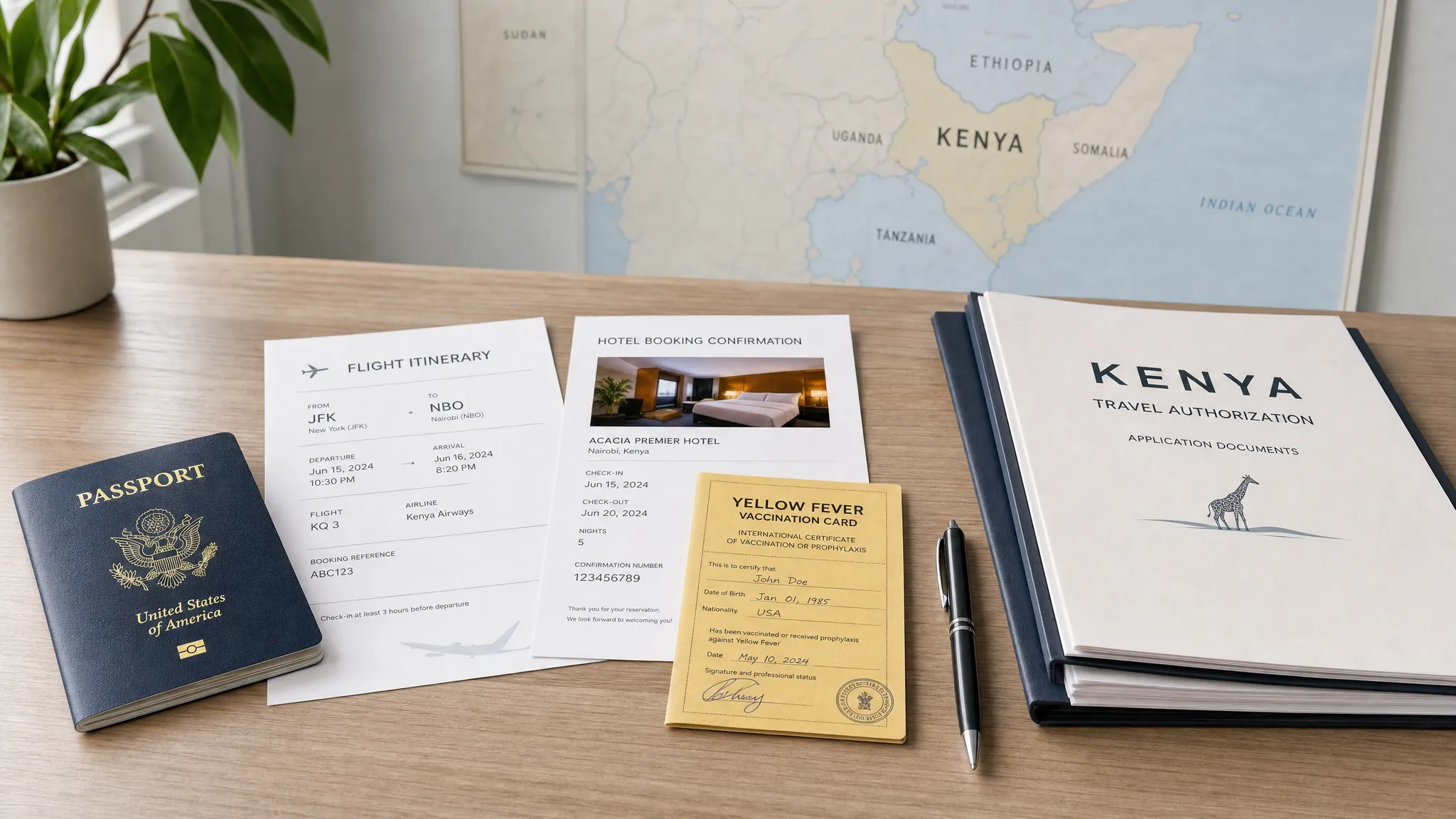
If you are searching for eVisaKenya, the first thing to know is that Kenya’s entry process has changed in recent years. Kenya now uses an online Electronic Travel Authorisation, commonly called the Kenya eTA, for many short-term visitors. Travelers may still call it an eVisa, but applying through the correct system is the first step to avoiding delays.
The good news is that the process is designed to be digital. The bad news is that small mistakes, such as a passport number typo, unclear document upload, wrong travel purpose, or last-minute submission, can slow down approval and create stress right before departure.
This guide explains how the Kenya online travel authorization process works, what to prepare before you apply, and how to reduce the chance of delays. Always verify the latest requirements on the official Kenya eTA website, since entry rules, exemptions, fees, and document requirements can change.
eVisaKenya vs Kenya eTA: what travelers need to know
For years, travelers used the term “Kenya eVisa” to describe Kenya’s online visa system. Today, many searches for eVisaKenya are really about the Kenya eTA, the online travel authorization required for eligible visitors before travel.
The eTA is not the same as a long-term visa, work permit, residence permit, or immigration status. It is typically used for temporary travel such as tourism, meetings, business visits, family visits, or transit, depending on the traveler’s nationality and purpose. If you plan to work, study, relocate, volunteer, film, or carry out regulated professional activities, you may need a different authorization.
The most important practical difference is this: you should not assume you can resolve the requirement at the airport. Airlines may check your authorization before boarding, and missing or pending authorization can disrupt your trip before you even reach Kenya.
Who needs to apply before traveling to Kenya?
Most foreign visitors must complete the online authorization process before arrival unless they fall under an exemption. Exemptions may apply to certain citizens, residents, diplomatic categories, or regional arrangements, but these rules are specific and can change.
Before applying, confirm three things:
- Whether your nationality requires a Kenya eTA or another type of authorization.
- Whether your travel purpose is eligible for the online process.
- Whether your passport and itinerary meet the current entry conditions.
Do not rely only on old blog posts, social media comments, or screenshots from previous travelers. Kenya’s official system should be your primary source, and airlines may also provide destination-specific boarding guidance.
When should you apply for eVisaKenya to avoid delays?
Apply as soon as your travel details are stable enough to submit accurate information. Waiting until the day before departure is one of the easiest ways to create unnecessary risk, especially during holidays, school breaks, major conferences, and peak safari seasons.
A useful rule is to apply at least several days before travel, and earlier if your case has any complexity. For broader timing advice, SimpleVisa has a dedicated guide on when to apply for an electronic visa that explains how processing windows, peak seasons, and traveler profiles can affect approval time.
| Application timing | Best for | Delay risk |
|---|---|---|
| 2 to 3 weeks before travel | Families, groups, business travelers, complex itineraries | Low, with time to correct issues |
| 7 to 14 days before travel | Standard tourism or short business visits | Generally manageable |
| 3 to 5 days before travel | Last-minute confirmed trips | Higher if documents are unclear or extra review is needed |
| Less than 48 hours before travel | Emergencies only | High, especially if payment, uploads, or review issues occur |
If you are traveling as a family or group, do not wait until everyone is together to start checking requirements. One traveler’s passport validity issue or document mismatch can delay the entire booking.
Documents to prepare before you start
Most eVisaKenya delays begin before the traveler ever clicks “submit.” The online form is much easier when your documents are ready, clear, and consistent.
Prepare digital copies in advance, ideally saved with simple file names such as “passport-jane-smith” or “hotel-booking-nairobi.” Avoid blurry photos, cropped passport pages, screenshots with missing information, or files that are too large to upload.
| Document or detail | Why it matters | Delay prevention tip |
|---|---|---|
| Valid passport | Your authorization is tied to your passport identity | Use the same passport you will carry when traveling |
| Passport bio page image | Officers need to verify your identity and passport data | Upload a clear, full-page image with no glare |
| Recent photo or selfie | Used for identity verification | Use a plain, well-lit image that matches the instructions |
| Travel itinerary | Confirms your arrival and departure details | Make sure dates match your form answers |
| Accommodation or host details | Shows where you plan to stay in Kenya | Include hotel booking, host address, or invitation details as applicable |
| Purpose-of-travel documents | Supports business, conference, family, or other travel reasons | Upload invitation letters or event details when requested |
| Health documents, if applicable | Some travelers may need vaccination proof based on origin or transit | Check official health guidance before travel |
| Payment card | Required to pay the online fee | Use a card enabled for international online payments |
Health-related entry rules can depend on where you are arriving from or transiting through. For example, yellow fever certificate requirements may apply to travelers coming from countries with risk of yellow fever transmission. The CDC Kenya travel page is a helpful health reference, but you should also confirm the latest requirements with official Kenyan authorities and your airline.
How to apply for Kenya eTA step by step
The exact form screens may change, but the overall process is straightforward when you prepare correctly.
Start on the official application portal
Go to the official Kenya eTA portal and review the latest eligibility, fee, and document instructions. This helps you avoid lookalike websites, outdated Kenya eVisa pages, or third-party services that may not clearly explain their fees.
If you are applying through a travel agency, airline, tour operator, or visa support partner, confirm who is responsible for submission, payment, document upload, and follow-up. Many delays happen when the traveler assumes the agency has submitted the application, while the agency is still waiting for missing documents.
Enter passport details exactly as printed
Your name, passport number, nationality, date of birth, passport issue date, and passport expiry date should match your passport exactly. Do not translate names, shorten middle names, omit hyphens if they appear in the passport, or swap the order of family and given names unless the form specifically instructs you to.
Pay special attention to characters that look similar, such as the letter O and the number 0, or the letter I and the number 1. A single typo can lead to review delays or airline boarding problems.
Match your itinerary to your application
Your arrival date, departure date, flight information, accommodation, and travel purpose should be consistent. If your hotel booking says Mombasa but your form says Nairobi for the entire stay, the application may still be legitimate, but inconsistency can create questions.
If your trip includes multiple destinations in Kenya, use the form fields and uploads to make the itinerary clear. For business trips, conference travel, family visits, or hosted stays, supporting documents are especially important.
Upload clean and readable documents
Before uploading, open each file and check that the information is legible. Passport pages should show all four corners, and photos should not be shadowed, filtered, or heavily compressed.
Avoid submitting a screenshot of a scanned passport if the screenshot cuts off the machine-readable zone at the bottom. Also avoid taking a photo of a passport under strong overhead light, since glare can block names, numbers, or expiry dates.
Pay and save the confirmation
After payment, save your receipt or confirmation page. If you do not receive an email immediately, check your spam folder and make sure you entered the correct email address.
Do not submit multiple applications unless official instructions tell you to. Duplicate applications can sometimes create confusion, especially if one contains an error and another contains corrected information.
Monitor the application until approval
After submission, watch for status updates or requests for additional information. If the system asks for a corrected document, respond quickly and carefully. A fast but incomplete response can cause a second delay.
Once approved, download the authorization and keep a digital and printed copy if possible. You should also carry the documents that support your trip, such as hotel bookings, return ticket, invitation letter, and proof of onward travel.
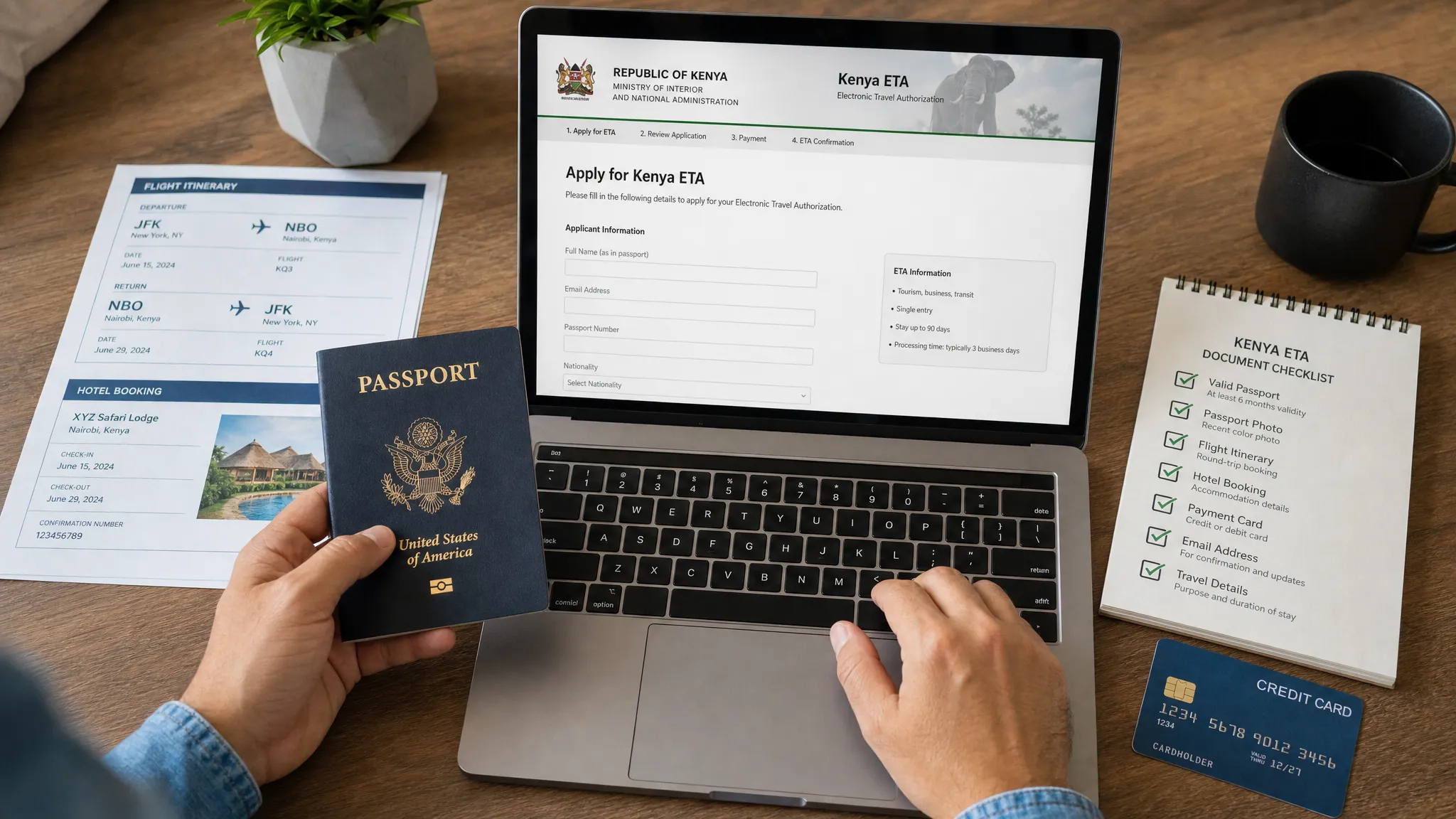
Common reasons eVisaKenya applications are delayed
Most delays are preventable. In many cases, the issue is not that the traveler is ineligible, but that the application creates uncertainty or requires manual review.
| Delay trigger | Why it causes problems | How to prevent it |
|---|---|---|
| Applying too late | There is no buffer for review, payment issues, or document corrections | Apply once your itinerary is confirmed, not on departure day |
| Passport details do not match | Identity verification becomes harder | Copy information directly from the passport |
| Blurry passport upload | Officers cannot clearly read key data | Use a high-resolution scan or clear photo |
| Wrong travel purpose | The documents may not support the stated reason for travel | Choose the purpose that accurately describes your trip |
| Missing invitation or host details | Business and hosted trips may need supporting evidence | Upload letters, addresses, or event details when requested |
| Inconsistent dates | Itinerary, hotel, and form answers do not align | Review every date before submission |
| Payment failure | The application may not move forward | Use a card enabled for international transactions |
| Using outdated information | Kenya’s system and rules have changed over time | Check the official portal before applying |
For a broader checklist of avoidable errors, see SimpleVisa’s guide to common electronic visa mistakes. The same principles apply strongly to Kenya: consistency, clarity, and timing matter.
How to avoid delays before submitting
A good Kenya eTA application should be easy for a reviewer to understand. Think of your form and documents as one complete travel story: who you are, why you are traveling, where you will stay, when you will arrive, and when you will leave.
Before you submit, take five minutes to review the application from top to bottom. This is often the difference between smooth approval and unnecessary back-and-forth.
Use this short pre-submission check:
- Your passport will be valid for the required period after arrival.
- Your name and passport number match the passport exactly.
- Your arrival and departure dates match your itinerary.
- Your accommodation or host details are complete.
- Your uploaded passport image is clear and uncropped.
- Your travel purpose matches your supporting documents.
- Your email address is correct and accessible.
- Your payment method is ready for international online payment.
If you need to move quickly, prioritize accuracy over speed. Submitting a rushed application with errors rarely saves time. SimpleVisa also has practical guidance on ways to expedite an electronic visa application, including document organization and careful review before payment.
What to do if your Kenya eTA is delayed
If your application is still pending longer than expected, first confirm that your payment was completed and that you received a submission confirmation. Then check your email, including spam and promotions folders, for requests for additional information.
If the official system provides a status tracker, use it before submitting a new application. Multiple submissions can complicate the review process if they contain different details.
If your departure is approaching, contact the official support channel listed on the Kenya eTA portal or ask your airline what documentation they require for boarding. Avoid relying on unofficial forums for urgent decisions, since another traveler’s experience may not apply to your nationality, route, or travel purpose.
If you discover a mistake after submission, follow the official correction process if one is available. If not, contact support rather than guessing. Never alter a passport scan, invitation letter, hotel booking, or authorization document to “fix” a mismatch. That can create serious immigration consequences.
Special considerations for families, groups, and business travelers
Family and group travel adds complexity because every traveler may need their own authorization, including children. Parents or guardians may be able to apply on behalf of minors, but each traveler’s passport and details must still be accurate.
Groups should build in more time because one incomplete application can affect the trip plan. Tour operators, schools, sports teams, and corporate travel managers should collect passport scans and itinerary details early, then check for passport validity issues before the application window becomes urgent.
Business travelers should be especially careful with travel purpose. A short meeting, conference, or site visit is not the same as local employment. If you are unsure whether your activity is permitted under the online authorization, ask the host organization or official authorities before submitting.
Why eVisaKenya friction matters for travel businesses
For airlines, online travel agencies, tour operators, and travel management companies, Kenya entry requirements are not just an administrative detail. They affect conversion, customer experience, support volume, and trip completion.
A customer who books a safari, conference trip, or beach holiday and later discovers they missed an online authorization requirement may blame the booking experience, even if the visa process is outside the seller’s direct control. Clear guidance at the right moment helps reduce uncertainty and protects the travel brand.
This is where SimpleVisa supports travel businesses. SimpleVisa helps travel companies guide customers through border requirements, automate visa-related workflows, and integrate visa support into booking flows through API, white-label, no-code, or data-service options. For businesses selling Kenya travel, surfacing the right requirement early can reduce last-minute support requests and create ancillary revenue opportunities without forcing travelers to search for fragmented information after checkout.
Frequently Asked Questions
Is eVisaKenya still the official name for Kenya’s online visa? Many travelers still use the term eVisaKenya, but Kenya now uses an Electronic Travel Authorisation system for many short-term visitors. Always check the official Kenya eTA portal for the current process.
How long does Kenya eTA approval take? Processing times can vary based on application volume, traveler details, document quality, and whether extra review is needed. Apply several days in advance at minimum, and earlier for group, family, or business travel.
Can I apply for Kenya eTA at the airport? You should complete the required online authorization before travel. Airlines may check authorization before boarding, so waiting until arrival can put your trip at risk.
Do children need a Kenya eTA? Children may need their own authorization depending on current rules and exemptions. Parents or guardians should check the official portal and ensure each child’s passport details are entered accurately.
What should I do if I made a mistake on my application? Use the official correction or support process if available. Do not submit duplicate applications or alter documents unless the official instructions tell you how to proceed.
Do I need a yellow fever certificate for Kenya? It depends on your travel history, country of origin, and transit route. Check official Kenyan requirements and reliable health guidance before departure.
Make Kenya travel requirements easier for your customers
For travelers, the best way to avoid eVisaKenya delays is to apply early, use the official process, and submit clean, consistent documents.
For travel businesses, the bigger opportunity is to prevent confusion before it happens. SimpleVisa helps travel companies simplify border-crossing administration through visa processing automation, API integration, white-label application flows, and custom data services, so customers get clearer guidance at the point where it matters most.