VFS eVOA Explained: What to Know Before You Apply
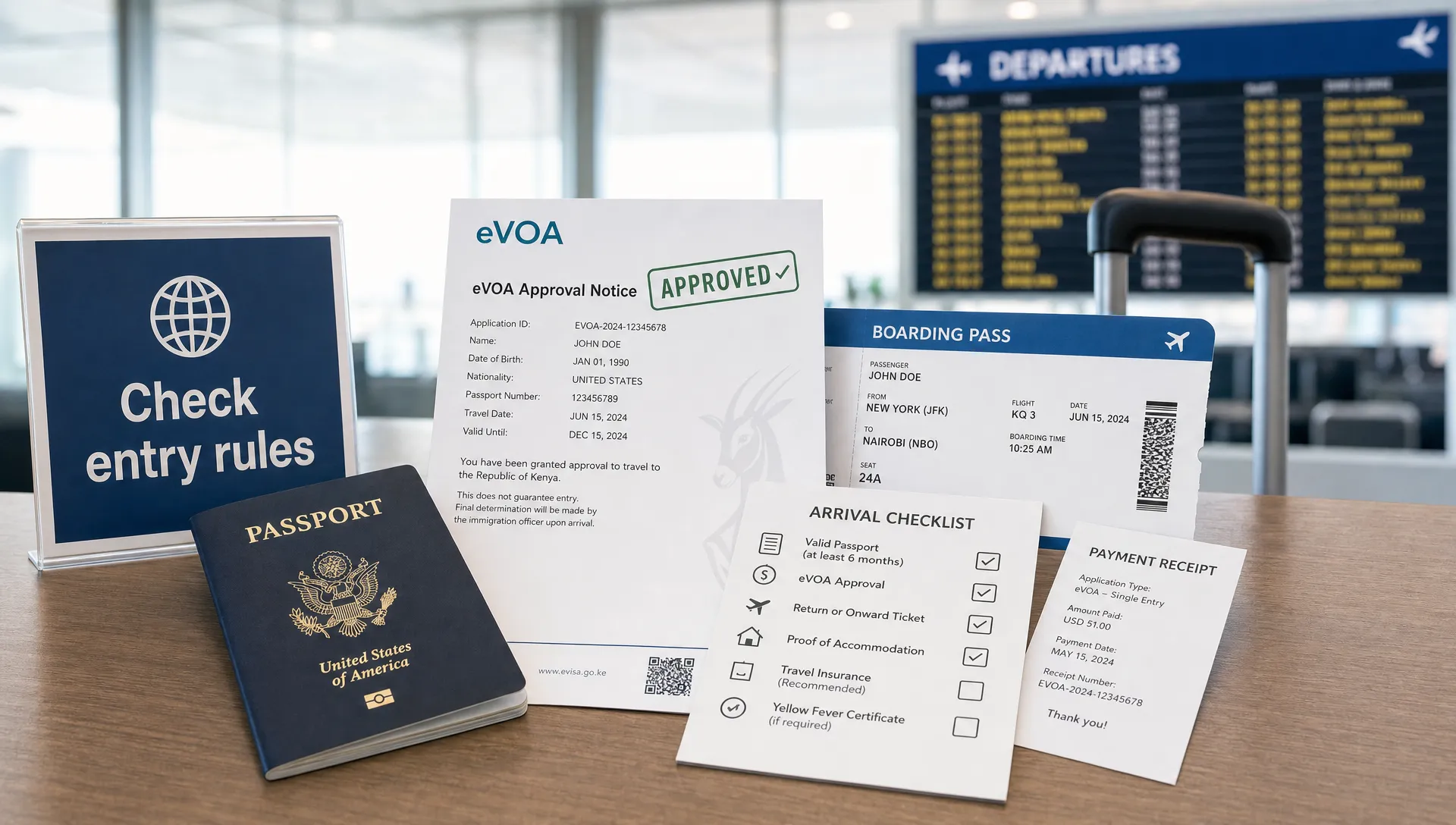
A VFS eVOA can be a convenient way to handle a visa-on-arrival requirement before a traveler reaches the airport. It can also be confusing, because “VFS,” “eVOA,” “eVisa,” and “visa on arrival” are often used as if they mean the same thing.
They do not always mean the same thing.
If you searched for VFS eVOA, you are probably trying to understand whether you can apply online, whether the service is legitimate, what documents you need, and whether approval means you are guaranteed entry. This guide breaks down the practical checks to make before you start an application, especially if you are applying close to your departure date or helping customers prepare for international travel.
What does VFS eVOA mean?
VFS usually refers to VFS Global, a company that provides visa, passport, and consular service support for governments and diplomatic missions. VFS is not the immigration authority that makes the final decision. In most cases, it acts as a technology or service partner, helping collect information, documents, biometrics where relevant, payments, or appointment requests for the authority responsible for the visa.
eVOA stands for electronic Visa on Arrival. It is typically an online authorization linked to a visa-on-arrival program. Instead of completing the entire visa-on-arrival process only at the airport or border, eligible travelers can submit details and pay online before departure.
The important detail is that a VFS eVOA is destination-specific. The rules depend on the government that operates the visa program, not on VFS alone. Before applying, always confirm that the VFS-managed route is the official or government-authorized channel for your destination and visa type. For a deeper checklist on route verification, SimpleVisa has a helpful guide on what travelers should check first when using VFS e Visa services.
VFS eVOA vs eVisa vs visa on arrival
The terminology matters because choosing the wrong option can lead to delays, refusal, denied boarding, or problems at the border.
| Term | What it usually means | What to check before using it |
|---|---|---|
| Visa-free entry | No visa application is required for eligible travelers for a permitted stay | Passport nationality, maximum stay, purpose of visit, onward ticket rules |
| Visa on Arrival | Visa is issued at the airport, port, or land border after arrival | Eligible nationality, approved entry points, cash/card payment rules, queues |
| eVOA | Visa-on-arrival authorization or application completed online before travel | Official application route, document upload rules, payment confirmation, validity |
| eVisa | A visa issued electronically before travel, often for tourism, business, study, or other purposes | Visa category, processing time, supporting documents, entry conditions |
| Sticker or consular visa | A visa placed in a passport by an embassy, consulate, or visa center | Appointment availability, passport submission, processing timeline |
If you are new to online visas, it may help to first understand how electronic visa processing works before comparing specific platforms or providers.
The first question: are you actually eligible?
Eligibility is the most important part of a VFS eVOA application. An online form may look simple, but the underlying rules can be strict.
Your eligibility can depend on your passport nationality, passport type, destination, intended length of stay, travel purpose, previous immigration history, and sometimes your point of entry. A traveler with an ordinary passport may be eligible while a traveler with a temporary, emergency, refugee, or diplomatic passport may need a different process.
Do not rely only on search results or third-party summaries. Start from the destination government’s immigration website, embassy website, or a clearly identified official service partner page. The IATA Travel Centre can also be useful as a cross-check for travel document requirements, especially when airlines apply boarding rules.
A good eligibility review should answer these questions before you enter payment details:
- Is your passport nationality listed as eligible for the eVOA?
- Is your purpose of travel allowed under this visa type?
- Is your planned stay within the permitted duration?
- Is your arrival airport, seaport, or land border accepted for this visa?
- Does your passport meet the validity requirements for the destination?
- Do children, group travelers, or dual nationals have special rules?
If the answer to any of these is unclear, pause before applying. Submitting the wrong category can be more expensive and slower than taking time to confirm the correct route.
Documents and details usually needed for a VFS eVOA
Requirements vary by destination, but most eVOA applications ask for a core set of traveler and trip information. The exact format matters. A passport scan that is blurry, cropped, expired, or inconsistent with the form can cause delays or rejection.
You should be ready with your passport details, travel dates, arrival location, accommodation address if required, contact information, and a valid payment method. Some destinations may request a passport-style photo, proof of onward or return travel, proof of accommodation, travel insurance, or evidence that you have enough funds for the trip.
The name fields deserve special attention. Enter names exactly as they appear in the machine-readable zone or identity page of the passport, unless the official instructions say otherwise. Middle names, hyphens, accents, order of family name and given name, and spacing can all matter.
For travel businesses, this is where many customer support issues begin. A traveler may think they made a small typo, but immigration systems can treat it as a mismatch. Clear guidance at the booking stage can prevent last-minute corrections and airport stress.
How the VFS eVOA application process typically works
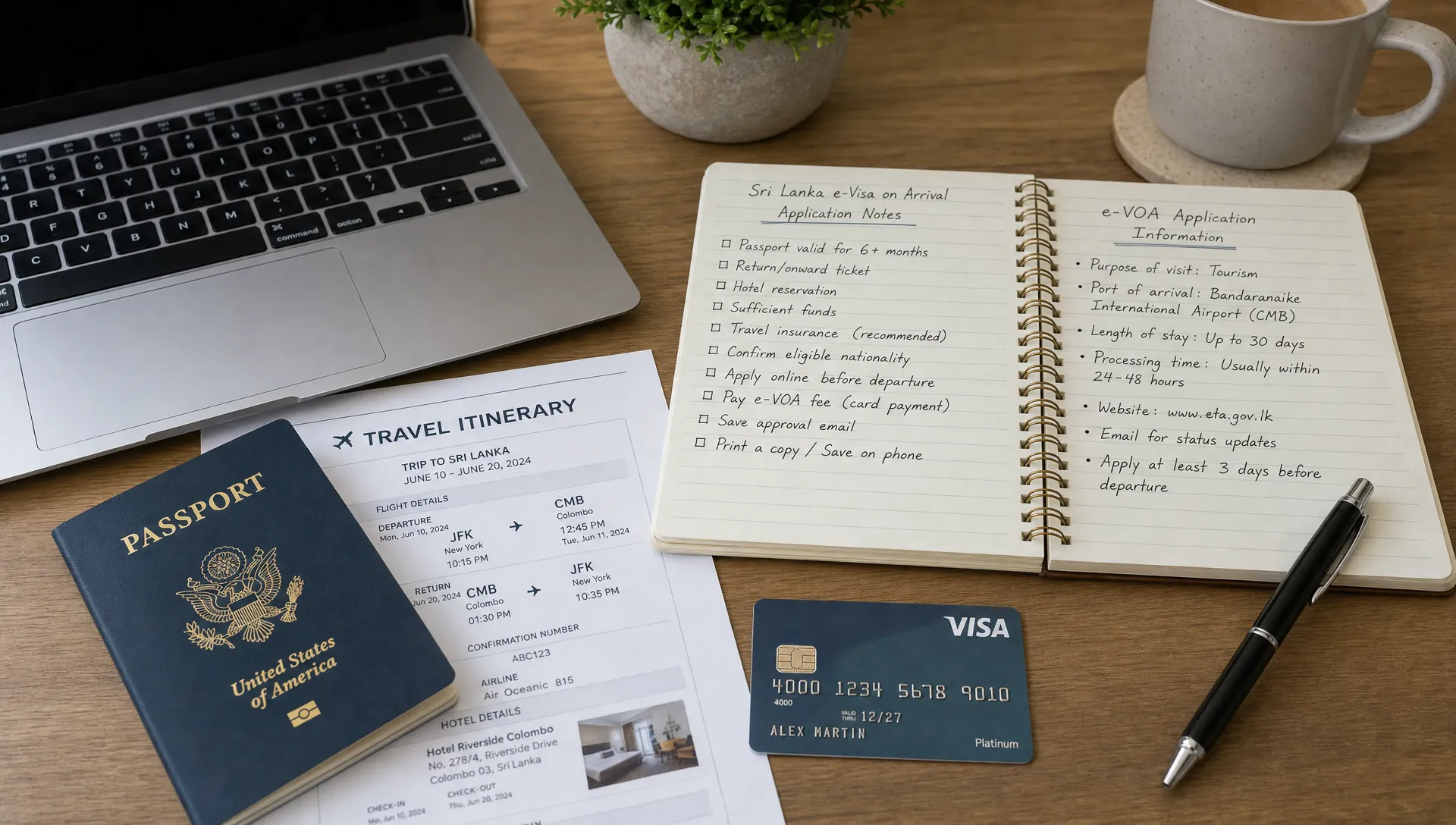
The application experience can differ by country, but a typical flow looks like this:
- Confirm the official route: Start from the destination’s government immigration site, embassy page, or verified VFS service page.
- Choose the correct visa type: Select eVOA only if your nationality, purpose, and stay length match the program rules.
- Enter traveler details: Copy passport and personal data carefully, including date formats and name order.
- Upload required files: Use clear scans or photos that meet the stated size, format, and quality requirements.
- Review the full application: Check every field before payment, especially passport number, date of birth, nationality, and arrival date.
- Pay the required fees: Confirm whether the amount includes government fees, service fees, taxes, or payment processing fees.
- Save your receipt and reference number: Keep screenshots or PDFs in case you need to track the application or prove submission.
- Download the result: If approved, carry a digital copy and, where recommended, a printed copy when you travel.
A simple form can still create serious consequences if it is submitted with incorrect information. Treat the application like a border document, not like a routine travel add-on.
Critical checks before you pay
Payment is often the point where mistakes become harder to fix. Some visa or service fees may be non-refundable once the application is submitted, even if the traveler later realizes they chose the wrong category or entered incorrect details.
Before paying, review the application against the passport and itinerary line by line.
| Check | Why it matters | What to do |
|---|---|---|
| Passport number | A single wrong character can invalidate the approval | Compare with the passport identity page, not a saved profile |
| Nationality | Eligibility is usually based on passport nationality | Confirm the selected nationality matches the travel document used |
| Date of birth | Date formats vary by country and platform | Recheck day, month, and year before submission |
| Travel purpose | eVOA may be limited to tourism, short business, or specific visits | Do not use eVOA for work, study, or residence unless explicitly allowed |
| Arrival point | Some visas are valid only at specific entry points | Confirm the airport, seaport, or land border is accepted |
| Stay duration | Overstaying can lead to fines or future immigration issues | Count arrival and departure days according to local rules |
| Fees | Service fees and government fees may be separate | Read the fee breakdown and refund policy before paying |
If you are applying for multiple travelers, do not assume one approval means everyone else qualifies. Families and groups can include different passport nationalities, passport validity dates, or visa histories.
Does a VFS eVOA guarantee entry?
No online visa approval should be treated as an absolute guarantee of entry.
An approved eVOA generally means the traveler has received authorization to travel for the stated purpose and request entry under that visa category. Border officers can still ask questions, review documents, and make the final entry decision under national immigration law.
At the border, travelers may be asked to show an onward or return ticket, accommodation details, proof of funds, travel insurance, invitation letters, or documents explaining the purpose of travel. Requirements depend on the destination and visa type.
This is especially important for travelers who have complex itineraries, one-way tickets, previous overstays, dual nationality issues, or plans that do not clearly match a tourist or short-stay purpose.
Processing times: do not apply at the last minute
Some eVOA systems are fast, but “online” does not always mean instant. Applications can be delayed by payment verification, document quality, system maintenance, manual review, public holidays, or high travel demand.
The safest approach is to apply once your travel details are stable and within the destination’s permitted application window. Applying too early can be a problem if the visa validity starts before your trip. Applying too late can be worse if the approval does not arrive before check-in.
Travelers should also avoid submitting duplicate applications unless the official instructions say to do so. Duplicate records can create confusion, especially if one application has an error and another is correct.
Watch for unofficial or misleading websites
Visa-related searches attract copycat websites, paid ads, and unofficial services that may look similar to official pages. Some third-party services are legitimate assistance providers, but others use confusing branding, inflated fees, or misleading claims.
A few warning signs should make you slow down:
- The site promises guaranteed approval.
- The fee is hidden until the final payment page.
- The domain name looks similar to an official site but is slightly misspelled.
- The page does not clearly identify who operates the service.
- The privacy policy, refund policy, or contact details are vague.
- The site asks for unnecessary sensitive information.
VFS Global describes itself as a service provider for governments and diplomatic missions, but travelers should still verify the specific destination service through official channels. A familiar brand name alone is not enough. The correct application route depends on the country, visa category, and the government’s current authorization.
Common mistakes to avoid with a VFS eVOA
The most common eVOA errors are usually preventable. They happen when travelers rush, rely on outdated advice, or assume that visa-on-arrival rules are flexible.
One frequent mistake is choosing eVOA when the traveler needs a different visa. Tourism, transit, business meetings, conferences, paid work, study, volunteering, journalism, and long-term stays can all have different immigration rules. If your activity is not clearly allowed under the eVOA category, check before applying.
Another mistake is misunderstanding validity. Visa validity, permitted length of stay, and number of entries are not the same thing. A visa may be valid for a certain period, but the stay allowed after each entry may be shorter. Some authorizations allow one entry only, while others may permit multiple entries. Always read the approval notice and conditions.
Travelers also forget that passport changes can affect approval. If you renew your passport after receiving an eVOA, the authorization may not automatically transfer to the new passport. In many systems, the approval is linked to the passport number used during application.
For a broader list of errors to avoid, see SimpleVisa’s guide to common e-visa application mistakes.
What travel businesses should know
For airlines, online travel agencies, tour operators, destination management companies, and booking platforms, eVOA confusion is more than a customer inconvenience. It can affect conversion, support volume, trip disruption, and ancillary revenue.
Travelers often discover visa requirements late in the booking journey. If they cannot understand what they need, they may abandon the trip, contact support, or arrive at check-in unprepared. A clear visa flow can improve the customer experience while helping travelers complete requirements at the right time.
The challenge is that visa rules are not static. Nationality, residence, routing, document type, purpose of travel, and length of stay can all change the answer. A simple static FAQ is rarely enough for businesses serving international customers.
That is where integrated visa guidance becomes valuable. SimpleVisa helps travel businesses guide customers through border requirements and visa applications using options such as API integration, white-label application experiences, data services, and no-code implementation paths. The goal is to make visa requirements easier to understand inside the travel journey, rather than sending customers away to figure it out alone.
Frequently Asked Questions
Is VFS eVOA the same as an official government visa? A VFS eVOA may be part of an official or government-authorized application route, but VFS is generally a service provider, not the final immigration authority. Always verify the destination’s official route before applying.
Can I apply for a VFS eVOA at the airport? An eVOA is usually designed to be completed online before arrival. Some destinations may still offer a visa-on-arrival process at the border, but eligibility, fees, queues, and accepted entry points can differ.
How long does a VFS eVOA take to process? Processing times vary by country, visa type, document quality, payment confirmation, and manual review. Use the official timeframe as guidance, but avoid applying at the last minute.
What happens if I make a mistake after submitting? It depends on the destination and platform. Some errors may require a correction request, while others may require a new application. Check the official instructions before submitting a duplicate application.
Can I work or study with an eVOA? Usually not, unless the destination explicitly allows that activity under the specific visa category. Many eVOA programs are limited to tourism, short visits, or narrowly defined business activities.
Should I print my eVOA approval? Carry a digital copy and consider printing a copy as a backup. Airlines or border officers may ask to see proof of approval, especially if systems are unavailable or your itinerary is complex.
Make VFS eVOA simpler for your travelers
A VFS eVOA can make travel smoother, but only when the traveler uses the right route, selects the correct category, and submits accurate information.
If your business sells travel, visa uncertainty should not be left until check-in. SimpleVisa helps travel companies integrate visa guidance and application support into the customer journey, making border requirements easier to manage for both teams and travelers.