Easy Visas to Get in 2026 for Short-Notice Trips
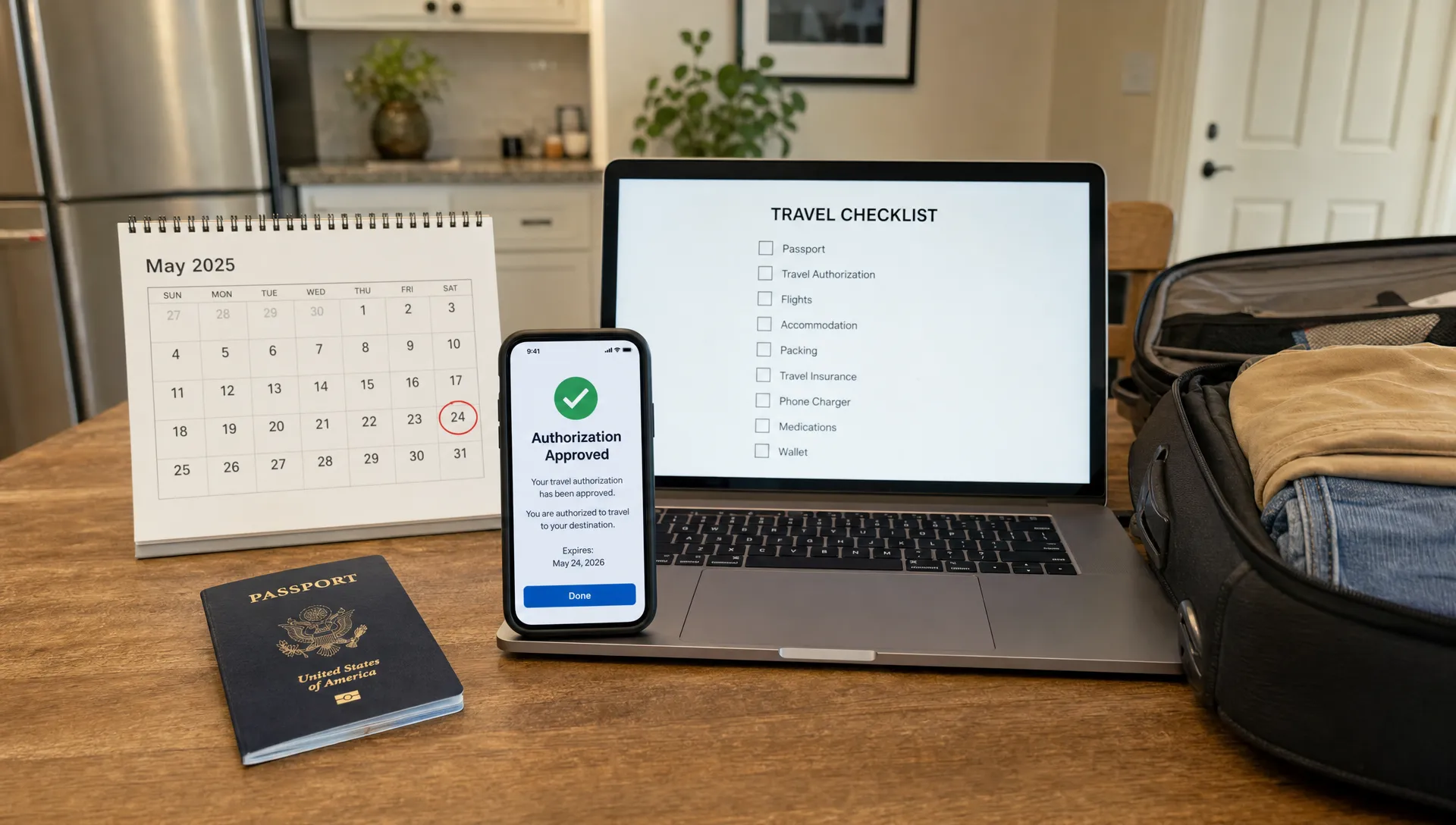
Short-notice travel can still be realistic in 2026, but the safest strategy is to stop asking which country has the easiest visa in general and start asking a more practical question: which entry path is easiest for your passport, purpose of travel, and departure date?
The easy visas to get are usually not the ones with the loudest promise of instant approval. They are the options with clear eligibility, online submission, low-document requirements, and rules your airline can verify before boarding. For a last-minute trip, that matters more than almost anything else.
This guide breaks down the easiest visa and travel authorization routes to check first in 2026, what makes them fast or risky, and how to avoid the common mistakes that turn a simple trip into an airport denial.
What makes a visa easy to get in 2026?
An easy visa is not universal. A destination can be simple for one passport holder and difficult for another. It can also be easy for tourism but not for remote work, business meetings, volunteering, study, journalism, or paid activity.
Before you book, confirm the basics: your nationality, passport validity, destination, transit points, purpose of stay, length of stay, and entry method. If you need a refresher on these terms, SimpleVisa’s guide to travel visa basics is a good place to start.
For short-notice trips, use these criteria to judge whether an option is truly easy.
| Entry option | Why it can be easy | Best for | Short-notice risk |
|---|---|---|---|
| Visa-free entry | No application before travel in many cases | Same-day or next-day trips | You may still need proof of onward travel, accommodation, funds, or minimum passport validity |
| ETA, eTA, or ESTA | Online authorization, usually lighter than a visa | Eligible travelers flying to countries with digital pre-clearance | Approval is not guaranteed instantly, and pending cases can delay boarding |
| eVisa | Online application and digital approval | Tourism or short business visits where eligible | Photo, passport scan, payment, or itinerary errors can trigger delays |
| Visa on arrival | Application completed at the border or airport | Eligible travelers with flexible arrival plans | Airlines may refuse boarding if they cannot confirm eligibility |
| Expedited consular visa | Formal visa with rush processing where available | Destinations requiring embassy or consulate review | Appointments, weekends, public holidays, and document checks can still take too long |
The key lesson is simple: the easiest option is the one you can verify before money is locked in.
Check these short-notice visa pathways first
1. Visa-free travel, when your passport qualifies
Strictly speaking, visa-free entry is not a visa. But for urgent travel, it is often the simplest route. If your passport allows visa-free tourism for the destination and your trip fits the allowed stay period, you may only need to satisfy border entry conditions.
Do not treat visa-free as rule-free. Immigration officers can still ask for your return ticket, onward ticket, hotel booking, travel insurance, invitation letter, proof of funds, or evidence that you are visiting temporarily. Some destinations require a passport valid for three or six months beyond arrival or departure. Others require blank passport pages.
For short-notice travel, visa-free destinations are usually your first filter. If you are flexible about where to go, start with countries your passport can enter without pre-approval, then compare flight availability and entry conditions.
2. Electronic travel authorizations
Electronic travel authorizations, such as ESTA, eTA, ETA, NZeTA, or similar systems, are not always visas, but they often sit in the same planning category. They are designed for eligible travelers who do not need a full visa but must receive electronic permission before travel.
These systems are attractive for short-notice trips because applications are usually online and document requirements are limited. However, travelers should not assume immediate approval. Some authorizations are granted quickly, while others may be pending or refused. Official guidance for some systems recommends applying days before travel, even if many approvals arrive sooner.
In 2026, this category matters even more because more countries are expanding pre-travel authorization systems for visa-exempt travelers. A route that felt visa-free a few years ago may now require an online approval before boarding.
3. eVisas with simple tourist applications
For many travelers, eVisas are among the easiest visas to get because the application is completed online, without an embassy appointment. They are especially useful for tourism, conferences, family visits, and short business activities, depending on the country’s rules.
Common eVisa systems may ask for a passport scan, photo, travel dates, accommodation details, airline information, and payment. Some countries issue approvals by email with a PDF or QR code. Others link approval electronically to your passport.
When comparing eVisas for a short-notice trip, do not only look at advertised processing speed. Look for clear eligibility, a simple document list, official status tracking, and confirmation that the visa is valid for your exact airport, seaport, or land border.
4. Visa on arrival, but only when the airline will board you
Visa on arrival can be convenient because you complete the process when you reach the destination. For some eligible travelers, it feels like the easiest option of all.
The risk is that your journey begins before the destination’s border officer reviews your case. Airlines are responsible for checking whether passengers can enter the destination, and they may deny boarding if visa-on-arrival eligibility is unclear. This is especially important when you have separate tickets, unusual transit points, one-way travel, or a passport that requires extra verification.
Visa on arrival can work for short-notice travel, but it should not be your default unless you have confirmed eligibility through reliable sources and carry the required documents.
Easier digital visa options to research in 2026
The following are not guaranteed recommendations and not every passport qualifies. Rules can change, processing times can shift, and some systems apply conditions based on nationality, residence, or existing visas. Treat this list as a starting point for research when you need a short-notice trip and want digital-first options.
| Destination or system to check | Why short-notice travelers often consider it | What to verify before booking |
|---|---|---|
| Türkiye e-Visa | Online process for many eligible travelers | Nationality eligibility, stay length, and any supporting document requirements |
| Cambodia eVisa | Digital tourist visa option for eligible travelers | Accepted ports of entry and passport validity |
| Vietnam eVisa | Online visa process for many nationalities | Processing time, entry point, and the exact validity dates on approval |
| Azerbaijan ASAN Visa | Digital application, with urgent processing historically available for some cases | Current urgent processing availability and eligible travel purpose |
| Saudi eVisa | Online tourism option for eligible travelers | Nationality eligibility, purpose restrictions, and insurance or entry conditions |
| Kenya eTA | Electronic travel authorization replacing traditional tourist visa processes for many visitors | Required documents, family applications, and recommended application timing |
| Sri Lanka ETA or eVisa system | Digital authorization has often supported tourist entry | Current platform, fee rules, and any recent policy changes |
| UAE entry arrangements | Many travelers use visa-free, visa-on-arrival, or digital visa routes depending on passport | Whether your passport qualifies directly or needs an airline, hotel, or sponsor route |
For urgent travel, the best digital visa is usually the one where you can complete the application accurately in one sitting and receive a trackable confirmation. If the form asks for details you do not have yet, such as a confirmed hotel or host address, solve that before applying.
Match the visa route to your departure window
Time changes the answer. A visa that is easy with seven days to spare may be too risky when your flight leaves tomorrow morning.
| Time before departure | Best options to prioritize | Options to treat carefully |
|---|---|---|
| Less than 24 hours | Visa-free travel, already approved ETA or eVisa, clearly confirmed visa on arrival | New eVisa applications, consular visas, any route with unclear airline boarding rules |
| 1 to 3 days | ETA or eTA systems, simple eVisas, urgent eVisa lanes where officially offered | Applications needing manual review, supporting documents, or local sponsor approval |
| 4 to 7 days | Most straightforward eVisas, some expedited consular options | Destinations with embassy appointments, mailed passports, or holiday closures |
| More than 7 days | Wider range of eVisas and consular visas | Complex cases involving prior refusals, overstays, criminal history, or unusual travel purposes |
If you are traveling over a weekend or near a public holiday, build in more buffer. Processing centers, banks, government offices, and support desks may not operate on your schedule.
For a practical document-by-document workflow, use this last-minute visa checklist before committing to non-refundable travel.
Mistakes that make an easy visa hard
Even fast visa systems can stall because of small errors. These are the most common problems to check before submission.
- Passport validity is too short for the destination’s rule.
- The name on the visa application does not exactly match the passport.
- The passport photo page is blurry, cropped, glared, or partially covered.
- The uploaded headshot does not meet size, background, or face-position rules.
- The traveler selects the wrong nationality, passport type, or issuing country.
- The arrival date is outside the requested visa validity period.
- The traveler applies for tourism but plans work, study, journalism, or paid activity.
- The traveler assumes a visa is valid at every airport, land border, or seaport.
- The payment fails, but the traveler assumes the application was submitted.
- The approval email goes to spam and is not downloaded before departure.
A good rule for short-notice trips: do not submit in a hurry until the passport, photo, dates, and purpose have been checked twice. A five-minute review can save a 48-hour delay.
How to reduce airport and boarding risk
Getting approved is only part of the journey. The airline must also be satisfied that you meet destination and transit rules.
Carry digital and printed copies of your approval when possible. Save them offline, because airport Wi-Fi and roaming may fail at exactly the wrong moment. Make sure the passport number on the approval matches the physical passport you will use. If you have dual nationality, confirm which passport was used for the application and which passport must be shown at check-in and immigration.
Transit matters too. A destination visa may not cover an airport transit visa requirement in another country. This is especially important for separate tickets, overnight layovers, self-transfer airports, or routes where you must collect baggage and re-check it.
If your trip is urgent, consider refundable flights, hotel reservations with free cancellation, or fare holds until authorization is issued. The more uncertain the visa route, the more flexible the booking should be.
For travel businesses, easy visas are an experience problem too
For travel companies, short-notice visa confusion is not just an administrative issue. It affects conversion, customer trust, support volume, and post-booking anxiety. A traveler who discovers a visa requirement after checkout may cancel, call support, or show up at the airport unprepared.
The best experience is to surface visa and authorization requirements early in the booking flow, explain which documents are needed, and guide the customer through the right application path. If your team handles frequent last-minute travel questions, combining accurate visa technology with reliable service operations can make a major difference. For brands scaling high-touch traveler support, managed customer support teams can help keep customer communication responsive while specialist visa systems handle the requirements and application flow.
SimpleVisa helps travel businesses streamline visa applications through automation, API integration, white-label experiences, and data services. The goal is not to promise that every traveler will be approved, because governments make the final decision. The goal is to reduce friction, guide customers accurately, and turn border requirements into a smoother part of the trip.
Frequently Asked Questions
What are the easiest visas to get in 2026 for short-notice travel? The easiest options are usually visa-free entry, electronic travel authorizations, simple eVisas, and visa on arrival where your passport clearly qualifies. The best choice depends on nationality, destination, travel purpose, and departure timing.
Can I get a visa on the same day? Sometimes, yes, but same-day approval is never something to rely on unless the destination officially offers that service and your case is straightforward. Even then, payment issues, document errors, or manual review can cause delays.
Is an eVisa better than visa on arrival for a last-minute trip? Often, yes, because an eVisa gives you approval before you leave. Visa on arrival can be convenient, but it carries boarding risk if the airline cannot confirm that you qualify.
Should I book flights before applying for a visa? If departure is soon, avoid non-refundable bookings until you understand the visa requirement. If you must book first, use refundable fares, fare holds, or flexible accommodation where possible.
Can a visa service guarantee approval? No legitimate provider can guarantee government approval. A good visa process can help you apply correctly, reduce avoidable mistakes, and improve readiness, but the final decision belongs to the destination authority.
Make short-notice travel easier to sell and support
Easy visas to get in 2026 are not just about fast forms. They are about matching the right traveler to the right entry path at the right moment.
If your travel business wants to reduce visa-related friction, guide customers earlier, and add a smoother border requirement layer to the booking experience, SimpleVisa can help make visa administration simpler for your team and your travelers.