eVisaIndia Guide for First-Time Applicants
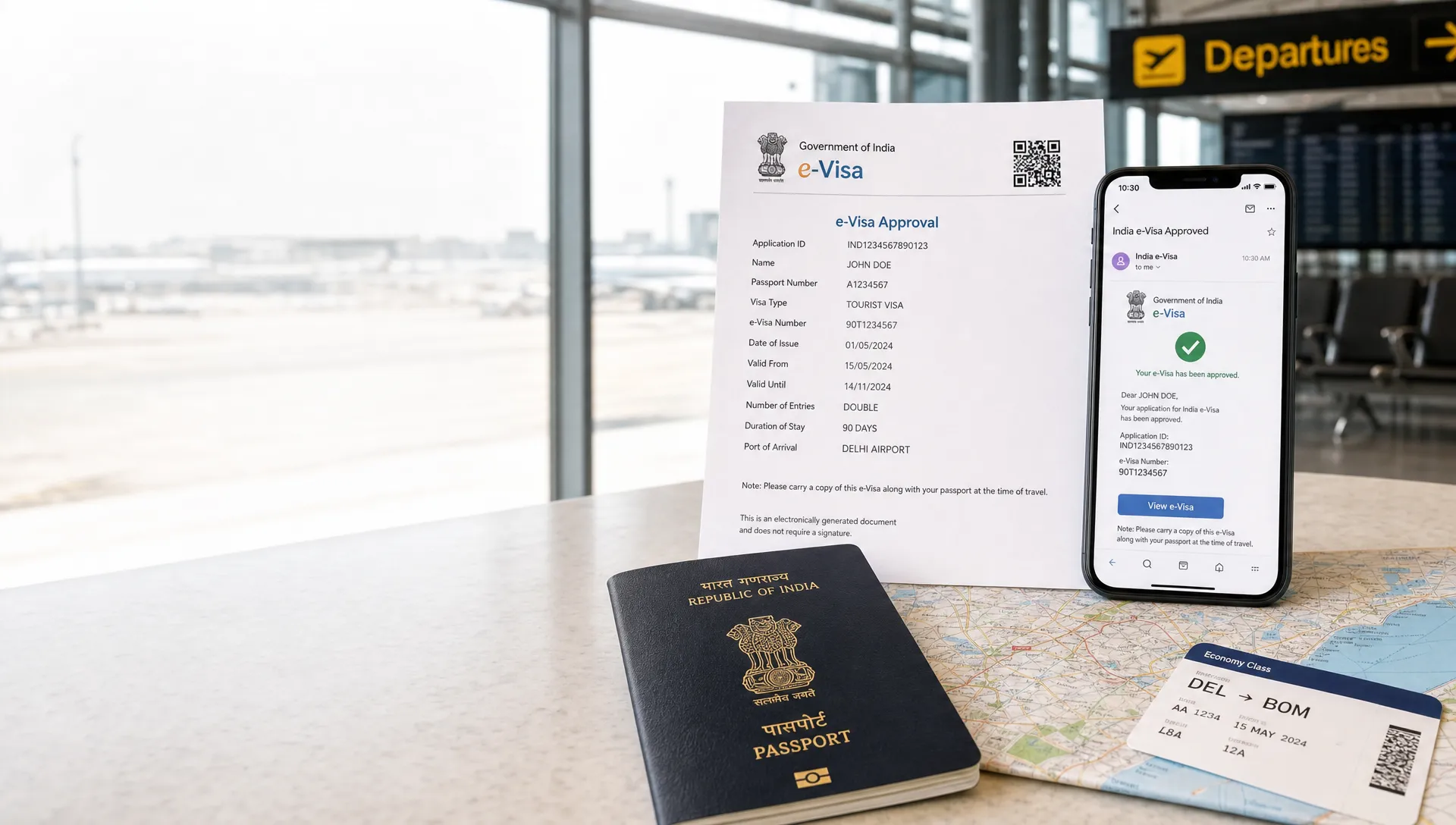
For many travelers, India is the first country where they encounter a fully online visa process. That can be reassuring, because you do not usually need a consular appointment for eligible short trips. It can also be stressful, because a small mistake in a passport number, photo upload, or travel purpose can slow down the approval.
This eVisaIndia guide is written for first-time applicants, and for travel teams helping customers apply correctly. It explains what the Indian e-Visa is, who can use it, what to prepare, how the application works, and which mistakes are most likely to cause delays.
What eVisaIndia means for first-time applicants
The term eVisaIndia is commonly used by travelers to describe the Indian e-Visa application process. In practice, it refers to applying online for permission to travel to India under an eligible e-Visa category, such as tourism, business, medical travel, medical attendant travel, or conference attendance.
An Indian e-Visa is not the same as a visa on arrival. You must apply before you travel, receive approval electronically, and carry the approved Electronic Travel Authorization, often called an ETA, when you board your flight or cruise. Immigration officers in India still make the final entry decision when you arrive.
The most important first-time rule is simple: the visa category must match the real purpose of travel. A sightseeing trip, a business meeting, and a medical appointment are treated differently. Choosing the wrong category can create problems even if the application form is otherwise accurate.
Check eligibility before you start the form
Before uploading documents or paying a fee, confirm that you are eligible for the Indian e-Visa route. Eligibility depends on your nationality, passport type, travel purpose, entry point, and sometimes your travel history or destination within India.
| What to check | What it usually means | Why it matters |
|---|---|---|
| Nationality | Your passport country must be eligible for the Indian e-Visa system. | Not every traveler can use the online route. |
| Passport type | Most e-Visa applications require an ordinary passport. | Diplomatic, official, or special travel documents may require a different process. |
| Passport validity | Your passport should generally be valid for at least six months from arrival and have blank pages. | Airlines and immigration officers may refuse travel if the passport is not acceptable. |
| Travel purpose | Tourism, business, medical, conference, and attendant purposes each have specific rules. | The wrong category can lead to rejection or entry issues. |
| Entry route | e-Visa entry is limited to designated airports and seaports listed by Indian authorities. | Land-border entry is not normally available with an Indian e-Visa. |
| Special areas | Some restricted or protected areas may require additional permission. | An e-Visa alone may not be enough for every itinerary. |
If any of these points is uncertain, pause before submitting. It is usually easier to clarify requirements before payment than to fix an incorrect application later.
Choose the right Indian e-Visa category
India offers several e-Visa categories, and first-time applicants often get confused because the application process feels similar across them. The supporting documents, permitted activities, and validity rules can differ.
| e-Visa category | Typical use | Extra preparation to expect |
|---|---|---|
| e-Tourist Visa | Holidays, sightseeing, recreation, casual visits to friends or relatives, short yoga programs if allowed under current rules. | Accommodation details, travel itinerary, and proof of onward or return plans may be requested. |
| e-Business Visa | Business meetings, trade discussions, sales or purchases, recruitment, lectures, or similar permitted business activity. | Business card, invitation letter, company details, or host information may be required. |
| e-Medical Visa | Short-term medical treatment in India. | Letter from the recognized hospital or medical institution in India. |
| e-Medical Attendant Visa | Travel with someone holding an e-Medical Visa. | Patient details and relationship or attendant information. |
| e-Conference Visa | Attending an eligible conference, seminar, or workshop. | Invitation and relevant event permissions may be required. |
For travelers visiting India only for leisure, it is worth reviewing how the Indian eTourist visa works before starting the application. Tourist validity, entry limits, and stay limits can vary by option, so do not assume every tourist e-Visa works the same way.
Documents to prepare before applying
A smooth eVisaIndia application depends heavily on file quality and consistency. Gather your documents before opening the application form so you are not rushing to resize photos or search for accommodation details halfway through.
Most first-time applicants should prepare a clear passport bio page scan, a recent digital passport-style photo, travel dates, intended arrival airport or seaport, accommodation information, contact details, and a payment card. Depending on the category, you may also need a business invitation, business card, hospital letter, conference invitation, or other supporting evidence.
Pay close attention to photo and passport scan standards. Blurry uploads, cropped passport pages, shadows across the face, or photos that do not meet size rules can cause avoidable delays. For a more document-focused breakdown, SimpleVisa has a detailed guide to India eVisa document and photo requirements.
Step-by-step eVisaIndia application process
The online process is designed to be straightforward, but first-time applicants should move slowly and verify each page before continuing.
- Confirm the official application route: Use the official Indian e-Visa application channel or a trusted visa support provider. Avoid lookalike sites that make unclear promises, hide service fees, or ask for unnecessary information.
- Select the correct visa category: Match the category to the real purpose of your trip. If you are mixing tourism and business, check which activity is primary and whether the chosen visa permits all planned activities.
- Enter passport details exactly: Names, passport number, date of birth, place of birth, issue date, and expiry date must match the passport. Watch for middle names, spacing, and swapped day-month order.
- Add travel and contact information: Provide accurate arrival details, expected address in India, home address, occupation details, and emergency contacts where requested.
- Upload documents carefully: Use clear, current files that meet the stated format and size requirements. Review previews before moving on.
- Pay the visa fee: Fees vary by nationality, visa type, and sometimes travel season or validity. The fee is generally non-refundable, even if the application is refused or the trip changes.
- Save your reference number and monitor email: Keep the application ID, payment receipt, and email confirmation. Check spam folders and verify that the final status says approved or granted before traveling.
A digital form is still an experience, and applicants now expect the same clarity they get from airline checkouts, hotel apps, and even the iconic virtual experiences created for ambitious brands. For travel businesses, that means visa guidance should feel simple, trustworthy, and integrated into the customer journey rather than like a separate administrative burden.
Common mistakes that delay first-time applications
Most Indian e-Visa problems are preventable. They usually come from rushing, guessing, or treating the application like a simple travel form instead of an immigration document.
| Mistake | Why it causes trouble | How to avoid it |
|---|---|---|
| Name does not match passport | Immigration systems rely on exact identity data. | Copy names from the passport bio page, including middle names if required. |
| Wrong passport number | One incorrect digit can invalidate the application for travel. | Recheck against the passport before payment. |
| Poor photo quality | The system or reviewer may not accept the image. | Use a recent, front-facing, well-lit passport-style photo. |
| Wrong visa category | Your planned activities may not be permitted. | Choose the category based on the main purpose of travel. |
| Applying too late | Processing may take longer if documents need review. | Apply early enough to handle delays, especially around holidays or peak travel periods. |
| Assuming entry is guaranteed | Approval allows you to travel, but immigration decides final entry. | Carry supporting documents and answer arrival questions clearly. |
| Ignoring validity dates | Visa validity and stay permission are not always the same thing. | Read the approval carefully and follow the dates printed on it. |
If you are new to electronic visas in general, these first-time electronic visa applicant tips can help you build a safer pre-submission routine.
After approval: what to do before departure
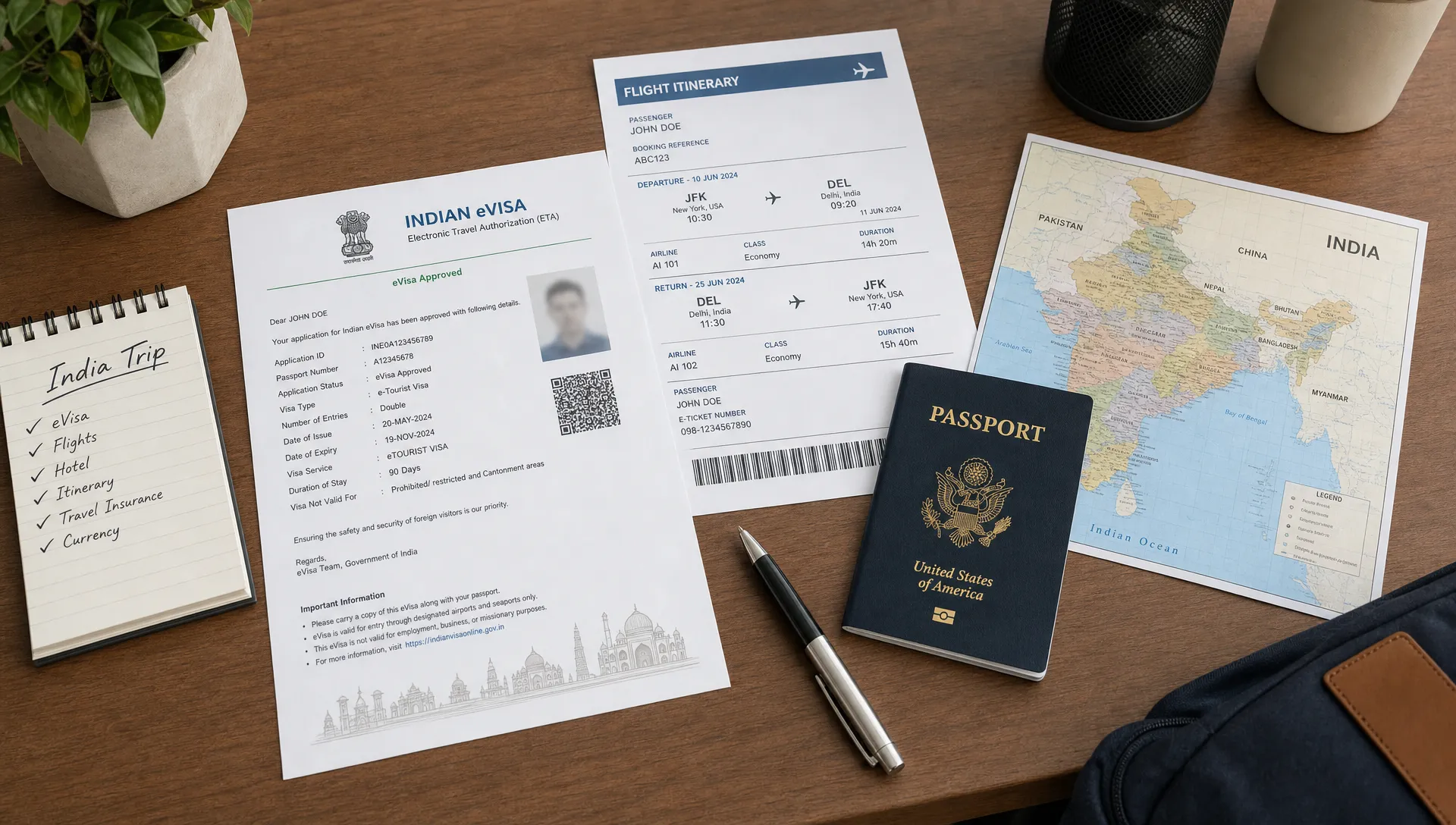
Once your e-Visa is approved, do not simply close the email and move on. Open the document, verify every key field, and compare it with your passport and itinerary.
Check your full name, passport number, nationality, visa category, number of entries, validity dates, and permitted stay conditions. If anything looks wrong, seek guidance before you travel. Do not assume an airline agent or immigration officer will overlook a mismatch.
It is also smart to carry both a printed copy and an offline digital copy of the approved ETA. Keep your passport, return or onward ticket, hotel booking or host address, and any category-specific support documents accessible during check-in and arrival. For business, medical, and conference travelers, carry the invitation or hospital letter used for the application.
At the airport or seaport in India, immigration may take biometrics and stamp your passport. The stamp or entry record may contain your actual stay permission, so review it before leaving the counter if possible.
Timing, fees, and realistic expectations
Many applicants search for a fixed processing time, but it is safer to think in ranges. Indian e-Visa applications are often processed within a few days, yet delays can happen because of document quality, public holidays, payment issues, additional checks, or high travel demand.
Application windows also vary by visa type and validity option. Some e-Tourist options may have a shorter advance application window than longer-validity tourist, business, medical, or conference categories. Always check the current window before booking travel around a last-minute application.
Fees are another area where first-time applicants should avoid assumptions. The amount can vary by nationality, visa category, validity period, and official fee rules in force at the time. If you use a support provider, distinguish between the government fee and any service fee.
Special tips for travel businesses supporting applicants
For travel agencies, airlines, tour operators, online travel platforms, and corporate travel providers, eVisaIndia questions often appear late in the booking journey. A customer may have already paid for flights and hotels before realizing they need an e-Visa, which increases stress and support volume.
The best approach is to surface visa guidance early, ideally during destination selection, booking, or post-booking communications. Customers need clear answers to practical questions: Do I need a visa? Which category fits my trip? What documents should I prepare? How soon should I apply? What should I carry on arrival?
SimpleVisa helps travel businesses streamline visa application support through automation, API integration, white-label visa application flows, custom data services, and no-code implementation options. For businesses that want to reduce friction while creating ancillary revenue opportunities, SimpleVisa can make visa support part of a smoother travel experience.
Frequently asked questions
Is eVisaIndia the same as a visa on arrival? No. eVisaIndia usually refers to applying online before travel for an Indian e-Visa. You must receive approval before departure, and immigration officers in India make the final entry decision.
How early should I apply for an Indian e-Visa? Apply as early as the rules for your visa category allow. Do not wait until the last minute, because document review, payment issues, holidays, or application corrections can create delays.
Can I enter India by land with an e-Visa? Indian e-Visa entry is generally limited to designated airports and seaports. If your itinerary involves a land border, check whether you need a regular visa instead.
Do children need their own Indian e-Visa? Yes, each traveler usually needs their own visa authorization, including children and infants. Their passport and application details must be accurate.
Can I edit my Indian e-Visa application after submission? Options are limited after submission, especially once payment is made. If you notice an error, follow the official guidance or seek qualified support before making new travel plans.
Is approval guaranteed if I submit the right documents? No visa approval is guaranteed. Accurate documents improve your chances of a smooth process, but authorities can request additional review or refuse an application.
Make eVisaIndia easier for your customers
First-time applicants do not just need a form. They need confidence that they are choosing the right visa, entering accurate details, and preparing the right documents before they travel.
If your travel business wants to simplify visa administration, guide customers through border requirements, and build visa support into the booking journey, SimpleVisa can help you create a more seamless process from eligibility check to application support.