Apply for e Visa Without Delays or Rejection Risks
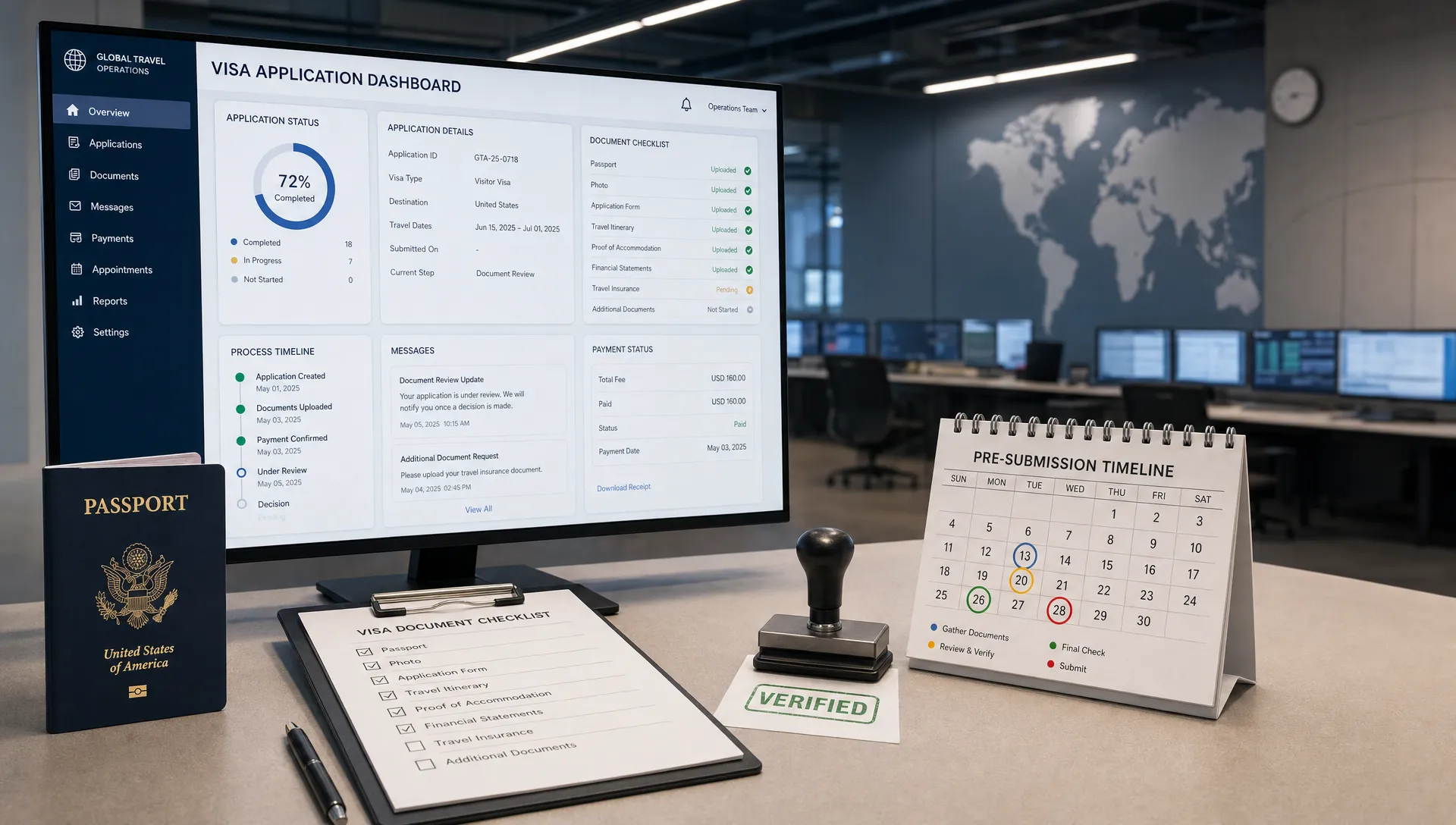
Applying for an electronic visa should feel simpler than mailing forms, visiting consulates, or waiting in long lines. Yet many travelers still face avoidable delays, requests for more information, or outright refusals because a small detail was missed before submission.
The safest way to apply for e Visa approval is to treat the process like a compliance task, not a quick online form. Governments use the information you provide to confirm identity, travel purpose, eligibility, security checks, and whether your itinerary fits the visa rules. A typo, outdated passport, wrong visa category, or poor document scan can turn a fast application into a stressful problem.
For travel businesses, this matters even more. A delayed eVisa can create support tickets, cancellations, missed departures, refund pressure, and a poor customer experience at the exact moment travelers expect reassurance. The good news is that most eVisa delays and rejection risks can be reduced with the right preparation, validation, and guidance before the application is submitted.
What Actually Causes eVisa Delays and Rejections?
Most eVisa problems do not happen because the traveler is ineligible. They happen because the application fails to match the destination’s requirements exactly.
Electronic visa systems are convenient, but they are not flexible. They compare passport data, travel dates, document uploads, payment status, and declarations against government rules. If something looks incomplete, inconsistent, or unclear, the application may be paused for manual review, sent back for correction, or refused.
Common delay triggers include:
- Passport details that do not match the uploaded passport image.
- A passport that expires too soon after the planned trip.
- Choosing the wrong visa type for tourism, business, transit, study, or family visits.
- Uploading blurry, cropped, shadowed, or incorrectly sized documents.
- Providing travel dates that conflict with flight bookings, hotel reservations, or stated purpose.
- Submitting during peak travel periods without enough processing time.
- Using an email address that the traveler does not check, then missing follow-up requests.
Rejections can also happen for eligibility reasons, prior immigration history, security concerns, unsupported travel purpose, or failure to disclose required information. No service can guarantee approval, because the final decision belongs to the destination authority. But a well-prepared application can significantly reduce preventable errors.
If you want a deeper look at why applications fail, SimpleVisa has a helpful breakdown of common reasons electronic visa applications get rejected.
Start With Eligibility Before You Fill Out Anything
The first mistake many travelers make is assuming that an eVisa is available for every nationality, destination, and travel purpose. It is not.
Before collecting documents or paying a fee, confirm these basics:
- The traveler’s nationality is eligible for the destination’s eVisa system.
- The passport type is accepted, such as ordinary, diplomatic, emergency, or refugee travel document.
- The purpose of travel matches an available eVisa category.
- The intended length of stay is within the permitted limit.
- The traveler’s arrival point is accepted, since some eVisas are only valid at specific airports, land borders, or ports.
- The traveler does not need a traditional consular visa due to their situation.
For travel businesses, eligibility should ideally be checked before checkout or immediately after booking. If a traveler discovers too late that they selected the wrong visa path, the booking experience becomes a support issue. That is why many travel companies integrate visa requirement checks into the customer journey instead of leaving travelers to research government rules on their own.
Apply Early, But Not Too Early
Timing is one of the most overlooked parts of the eVisa process. Travelers often submit at the last minute because eVisas are marketed as fast. Others submit too early, then receive an approval that expires before their trip begins.
The best application window depends on the destination, processing workload, travel season, and validity period of the visa. Some destinations process quickly, while others can take longer during holidays, major events, or system backlogs. Travelers should also allow time for corrections if the authority asks for additional information.
A practical rule is to apply as soon as the itinerary is stable and the visa validity window makes sense for the trip. If flights, accommodation, or travel dates are likely to change, wait until the core details are reliable. If departure is soon, prioritize document accuracy and monitor the application closely.
For more timing guidance, see SimpleVisa’s article on when to apply for an electronic visa.
Prepare Documents Before Opening the Application Form
Many application errors happen because travelers start the form before they have everything ready. They pause halfway through, upload the wrong file, guess at travel details, or enter information from memory instead of checking the passport.
Before starting, collect clear digital copies of all required documents. Requirements vary by destination, but common items include:
- Passport identity page.
- Recent passport-style photo.
- Flight itinerary or arrival details.
- Hotel booking, host address, or invitation letter.
- Proof of onward travel, when required.
- Travel insurance, when required.
- Evidence of funds, employment, or purpose of visit, when required.
Document quality matters. A scan or photo should show all corners, avoid glare, and keep text readable. Names, dates, passport numbers, and document expiry dates should be easy to verify. If the system asks for a specific format or file size, follow it exactly rather than relying on an upload tool to fix the file.
For agencies, tour operators, airlines, OTAs, and corporate travel teams, a standardized document checklist can reduce repeat support conversations. It also helps agents identify missing information before an application reaches the payment or submission stage.
Use the Exact Same Identity Data Everywhere
Identity mismatches are among the most preventable eVisa problems. Even a small spelling difference can create questions during review or at the border.
The application should match the passport exactly, including:
- Full name order.
- Middle names.
- Date of birth.
- Passport number.
- Nationality.
- Place of birth, if requested.
- Passport issue and expiry dates.
- Gender marker, if requested.
Travelers should not copy names from airline tickets, loyalty profiles, email confirmations, or previous visas without checking the passport. These records may abbreviate or reorder names. The passport is the primary source of truth.
If a traveler has multiple passports, dual nationality, or recently renewed a passport, the risk of inconsistency increases. Use the passport that will be presented at check-in and border control. If the eVisa is linked electronically to a passport number, arriving with a different passport can create boarding or entry problems.
Choose the Right Visa Type for the Trip
The wrong visa category can lead to refusal even when all personal details are correct. A traveler attending meetings may not qualify under the same category as a leisure tourist. A transit passenger leaving the airport may have different requirements from one staying airside. A traveler visiting family may need additional host information.
Do not choose the fastest or cheapest visa type if it does not match the real trip. Immigration authorities review purpose of travel, duration, supporting documents, and declarations together. If the application says tourism but the itinerary suggests work, training, volunteering, or business activity, the file may be questioned.
Travel businesses should avoid presenting visa categories as interchangeable options. Instead, guide customers through purpose-based questions that narrow the correct path. This protects travelers and reduces operational risk.
| Risk area | What can go wrong | How to reduce the risk |
|---|---|---|
| Eligibility | Traveler starts the wrong process | Check nationality, passport type, destination, and purpose first |
| Identity data | Names or passport numbers do not match | Copy directly from the passport and review character by character |
| Visa category | Application does not match trip purpose | Select the category based on actual activities, not speed or price |
| Documents | Uploads are unclear or incomplete | Use high-quality scans and verify format, size, and content |
| Timing | Approval arrives late or expires too soon | Apply within the destination’s validity and processing window |
| Communication | Follow-up request is missed | Use an active email address and monitor status until approval |
Review Before Submission Like It Cannot Be Edited Later
Some eVisa portals allow corrections after submission, but many do not. Even when corrections are possible, they can delay processing or require a new application fee. The safest approach is to assume that every field becomes final once submitted.
A strong final review should check four layers.
First, confirm identity data against the passport. Read each number and date slowly. Passport numbers often include similar-looking characters, such as zero and the letter O.
Second, compare the application to the itinerary. Arrival date, departure date, accommodation, city of entry, and stated purpose should make sense together.
Third, inspect every upload. Open the files after saving them, not just before upload. Make sure the correct traveler’s document is attached, especially when applying for families or groups.
Fourth, review declarations carefully. Answer all security, health, immigration history, and criminal record questions truthfully. False declarations can create serious consequences beyond a single refusal.
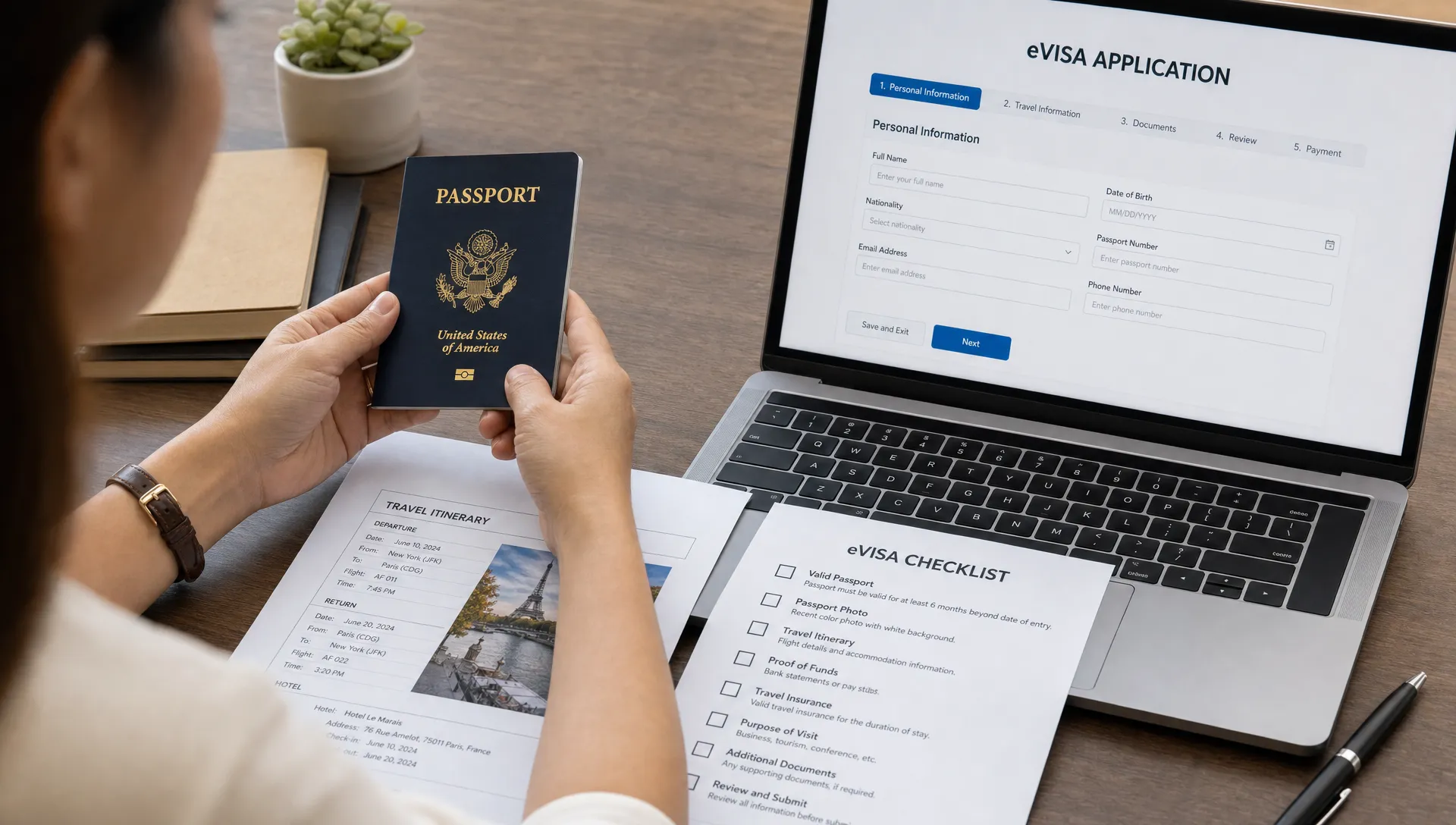
Do Not Ignore Post-Submission Steps
Submitting the form is not the end of the process. Many delays happen because travelers stop paying attention after payment.
After submission, save the application reference number, payment receipt, and any confirmation email. Check spam or junk folders. If the destination portal offers status tracking, monitor it until a final decision is issued. If additional documents are requested, respond quickly and exactly as instructed.
Once approved, review the eVisa itself. Confirm the name, passport number, visa type, number of entries, validity dates, and permitted length of stay. If anything looks wrong, contact the relevant support channel before travel. Do not wait until airport check-in.
Travelers should also carry a printed or offline copy where appropriate, even if the visa is electronically linked to the passport. Airline staff and border officers may ask to see proof of authorization.
How Travel Businesses Can Reduce Visa Friction at Scale
For travel businesses, the goal is not only to help one traveler apply correctly. The goal is to make visa guidance repeatable, accurate, and easy to access across thousands of customer journeys.
That requires more than a static FAQ page. Visa rules change, travelers have different passports and itineraries, and support teams cannot manually interpret every case at peak volume. A scalable approach combines reliable requirement data, guided application flows, document validation, reminders, and clear escalation paths.
This is where automation can improve both customer experience and operational efficiency. In many industries, teams are using specialist platforms to remove repetitive admin while keeping human judgment in sensitive moments. For example, HR teams may use an AI-first recruitment platform to handle screening, scheduling, and outreach with human approval, and travel companies can apply the same principle to visa workflows by automating routine checks while preserving expert oversight when a case is complex.
SimpleVisa supports travel businesses with visa processing automation, API integration for travel sites, a white-label visa application app, custom data services, guided customer visa applications, premium eVisa management, ancillary revenue opportunities, and a no-code implementation option. Its solutions can be integrated into booking flows or accessed through a white-label app or data service, helping companies reduce friction without building a visa operation from scratch.
If your customers often travel internationally, visa support can become part of the booking experience instead of a separate problem they discover later.
Practical Workflow to Apply for an eVisa With Less Risk
A reliable workflow helps both individual travelers and travel teams reduce avoidable mistakes. The key is to slow down before submission so the application can move faster afterward.
Use this sequence:
- Confirm eligibility first: Check nationality, passport type, destination, purpose, length of stay, and entry point before collecting documents.
- Check timing: Apply when the itinerary is stable, early enough for processing, but not so early that visa validity becomes a problem.
- Gather documents: Prepare passport scans, photos, bookings, host details, funds evidence, or other destination-specific documents before opening the form.
- Enter data from the passport: Do not rely on memory, airline profiles, or old applications.
- Match the visa type to the real trip: Choose the category based on actual activities and supporting evidence.
- Review every field and file: Verify identity, itinerary, declarations, document quality, and payment details.
- Track the application: Save the reference number, monitor email, respond to requests, and review the approval before travel.
This workflow will not override government eligibility rules, but it can prevent the most common administrative errors.
For travelers who need to move quickly, SimpleVisa also offers guidance on ways to expedite an electronic visa application without cutting corners.
Extra Tips for Families, Groups, and Business Travelers
Group applications introduce additional risk because one mistake can affect several travelers. Families often share documents, email addresses, or itineraries, which makes it easier to upload the wrong passport or mix up birth dates. Business travel adds another layer because the purpose of travel may need to be described carefully.
For families, review each traveler separately. Children may have different passport validity dates, consent requirements, or supporting documents. Do not assume that one parent’s requirements apply to everyone.
For groups, use a tracking sheet that records each traveler’s passport expiry date, application status, payment status, and approval reference. Keep the process organized, but avoid storing sensitive personal data in insecure files or shared channels.
For business travelers, align the visa type, invitation letter, meeting agenda, employer details, and length of stay. If the trip includes both leisure and business activities, answer the application based on the destination’s instructions and the primary reason for travel.
Security Matters When Applying Online
Because eVisa applications involve passports, dates of birth, travel plans, and payment details, security should be part of the process.
Use trusted application channels and avoid entering passport data on unclear websites. Check that the page is secure, keep copies of receipts, and be cautious of unrealistic promises such as guaranteed approval or instant clearance for every destination. Government processing still applies, even when the online experience is fast.
Travel businesses should also consider how customer data is collected, transmitted, stored, and accessed. Visa support can be a valuable ancillary service, but it must be handled with care because the data is sensitive.
Frequently Asked Questions
Can I apply for an eVisa at the last minute? Sometimes, but it is risky. Some destinations process eVisas quickly, while others may take longer due to peak seasons, manual reviews, or missing information. Apply as soon as your itinerary is stable and the visa validity window fits your trip.
Does an approved eVisa guarantee entry? No. An eVisa gives permission to travel or request entry under the destination’s rules, but border authorities usually make the final entry decision. Travelers should still carry supporting documents and follow the visa conditions.
What is the most common eVisa mistake? The most common mistakes are incorrect passport details, choosing the wrong visa type, unclear document uploads, and applying too close to departure. These issues are preventable with a careful review before submission.
What should I do if my eVisa application is rejected? Read the refusal notice carefully, if one is provided. Depending on the destination, you may be able to reapply, correct errors, provide additional documents, or use a different visa route. Do not resubmit the same inaccurate information.
Can a travel company help customers apply for eVisas? Yes. Travel businesses can guide customers through visa requirements, application steps, document preparation, and submission workflows. Solutions like SimpleVisa help businesses integrate visa support into customer journeys without forcing travelers to manage everything alone.
Make eVisa Applications Easier for Your Customers
Avoiding eVisa delays is not about luck. It comes down to eligibility checks, accurate data, correct documents, realistic timing, and a guided process that catches mistakes before submission.
For travel businesses, this is an opportunity to improve the customer journey and create a valuable ancillary service. SimpleVisa helps travel companies streamline visa applications through automation, booking-flow integration, white-label options, custom data services, and guided customer experiences.
If your customers need to apply for eVisa approval with fewer delays and less confusion, SimpleVisa can help make border requirements simpler from the moment travel is booked.