A Visa to Travel: Rules by Purpose and Passport
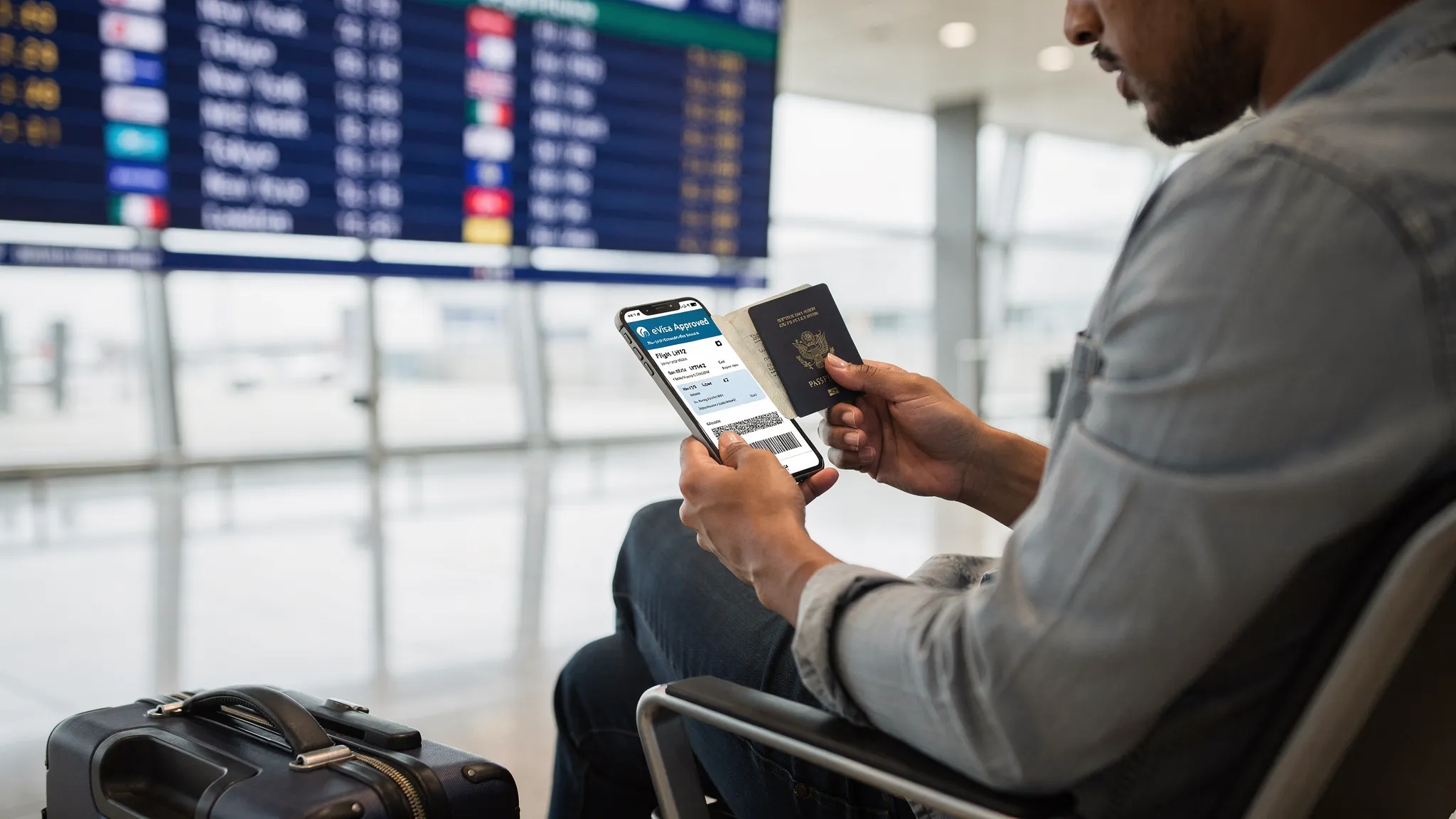
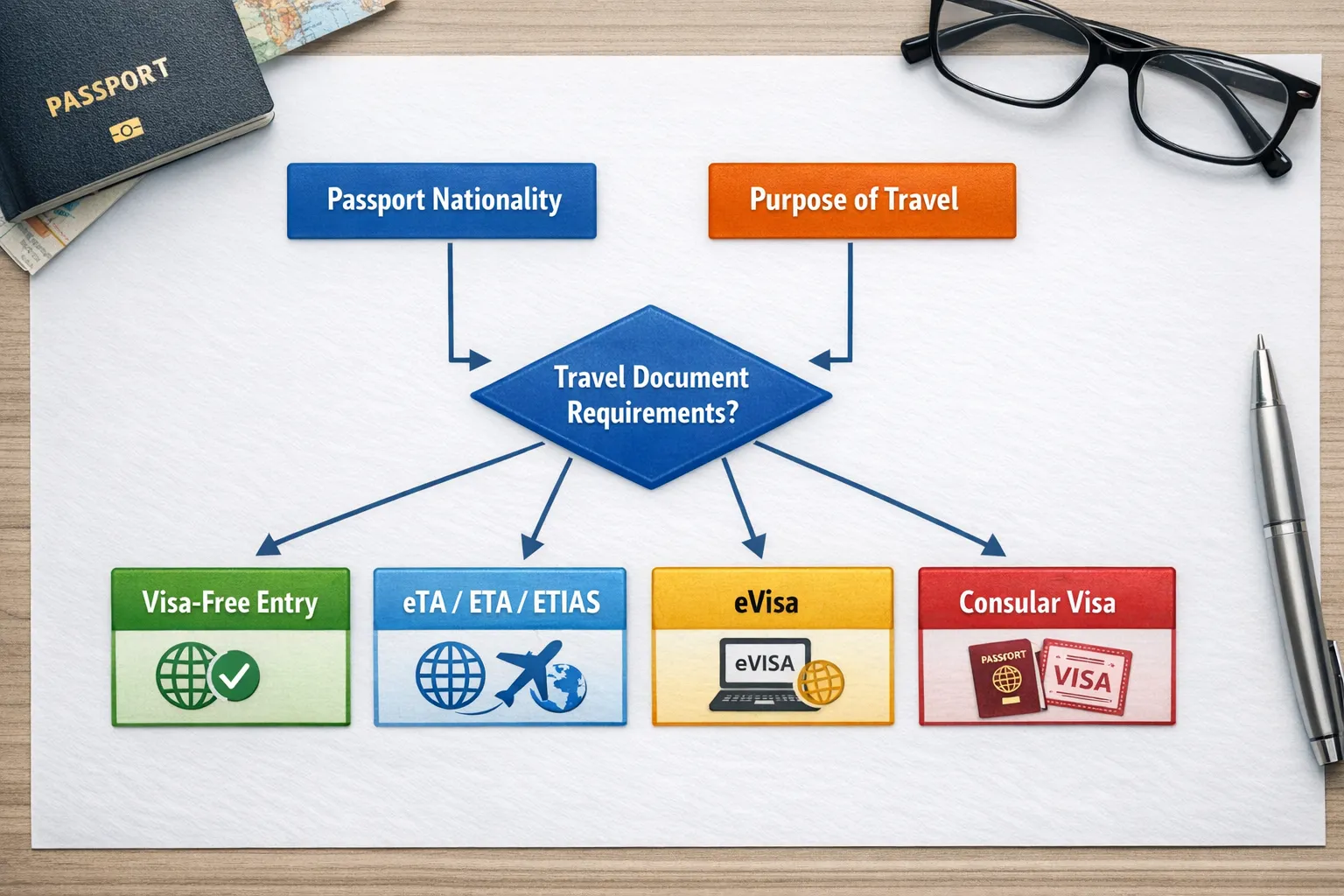
Travelers often search for “a visa to travel” as if it’s a single requirement. In reality, the right travel document depends on two things working together: your trip purpose and your passport. Change either one and the rules can flip from visa-free, to an electronic travel authorization (eTA), to a full consular visa with an interview.
This guide breaks down the logic behind visa rules by purpose (what you’ll do) and passport (who you are, on paper), so you can quickly identify the right path and avoid surprises at check-in.
Start with the two variables that decide most visa rules
1) Purpose: what you plan to do (not what you call the trip)
Immigration systems care about activities, not labels.
A “tourist trip” can become a “work” or “business” trip if you:
- Provide services to a local company
- Receive local compensation
- Enroll in a longer-term study program
- Produce media in a restricted category (journalism rules can be strict)
Even if you’re only staying a few days, the wrong purpose can lead to denial or refusal at the border.
2) Passport: your nationality and passport type
Your passport determines whether your destination treats you as:
- Visa-free
- Visa-required
- Eligible for an eVisa
- Eligible for a pre-travel authorization (like ESTA, ETA, ETIAS)
It also affects processing, fees, and how much supporting evidence you may need.
A visa to travel by purpose: the most common categories
Think of “purpose” as the first filter. Then you’ll apply the passport filter in the next section.
Tourism and short visits (leisure, family, events)
This is the most common purpose and often the easiest, but it still has boundaries.
Typical outcomes:
- Visa-free entry for certain passports
- An eTA/ETA-style authorization for visa-exempt travelers
- A tourist eVisa
- A tourist visa issued by an embassy/consulate
Common proofs immigration may ask for include onward travel, accommodation, and ability to support yourself financially.
Business visitor (meetings, conferences, short-term business)
“Business” is not a universal definition. One country’s permitted business activity can be another country’s work.
Typical permitted activities (country-dependent) include meetings, trade shows, training, and contract negotiation. Typical restricted activities include hands-on client work or local payroll.
If you are unsure, check the destination’s official guidance for business visitor rules, not just the visa name.
Work (employment, paid assignments, long-term placements)
Work authorization is where rules become strict and less standardized.
Expect:
- Employer sponsorship or host documentation
- More extensive background questions
- Longer processing times
- Possible biometrics and in-person appointments
If your trip involves performing services locally, assume you may need a work-authorized route until proven otherwise.
Study (short courses vs long programs)
Study rules often hinge on duration.
- Short courses may be allowed under visitor rules in some countries.
- Degree programs typically require a dedicated student visa and often additional steps (proof of funds, acceptance letters, health insurance).
Transit (including “leave the airport” transits)
Transit is one of the most misunderstood categories. A traveler can be “visa-free” for entry, but still need a transit visa depending on:
- Nationality
- Airport and routing
- Whether you pass immigration (even briefly)
- Whether you change terminals
Airlines enforce transit rules at check-in, so this is a common source of denied boarding.
Other purposes that commonly trigger special rules
Some trips fall outside the classic tourist/business/work/study buckets.
Examples include:
- Journalism and filming
- Volunteering (sometimes treated as work)
- Crew and seafarer travel
- Performing arts and sports
- Medical treatment
If your trip fits one of these, treat it as a “special purpose” case and verify requirements early.
Quick reference: purpose vs likely document type
This table won’t replace country-specific rules, but it helps you predict which lane you’re in.
| Purpose of travel | Common document types you may see | What you’ll often need to prove | Frequent mistake |
|---|---|---|---|
| Tourism/visit | Visa-free, eTA/ETA, eVisa, tourist visa | Onward travel, accommodation, funds | Assuming “visa-free” means “no requirements” |
| Business visitor | Visa-free with conditions, business eVisa, business visa | Business invitation, employer letter, itinerary | Doing hands-on work under a visitor status |
| Transit | Transit visa, airside transit exemption, sometimes eTA | Confirmed onward ticket, same-day connection | Missing a transit visa when changing terminals |
| Study | Student visa, study eVisa (some countries), visitor rules for short courses | Acceptance letter, funds, insurance | Enrolling long-term on a visitor entry |
| Work | Work visa/permit | Sponsorship, qualifications, background checks | Trying to “convert” a tourist entry into work status |
A visa to travel by passport: what changes when your nationality changes
Once you know your purpose, your passport determines which options are available.
Visa-free access vs. visa-required is policy, not geography
Two travelers on the same flight can face totally different rules because visa policy is built on:
- Bilateral agreements
- Reciprocity
- Security and overstay risk assessments
- Historical and diplomatic relationships
That’s why “my friend didn’t need a visa” is not a reliable source.
Many “visa-free” countries still require a pre-travel authorization
Visa-free is increasingly paired with an electronic screening step.
Common examples:
- U.S. ESTA for Visa Waiver Program travelers (official site: U.S. Customs and Border Protection ESTA)
- UK ETA for eligible visa-exempt travelers (official guidance: UK Government ETA)
- EU ETIAS is planned for visa-exempt travel to the Schengen Area once in force (official EU information: EU ETIAS)
Important: these are not visas, but airlines can deny boarding without them if required.
Passport validity and “blank pages” rules still matter
Even with an eVisa or authorization, entry can fail if your passport does not meet:
- Minimum validity rules (often linked to your departure date or length of stay)
- Condition requirements (damage can trigger refusal)
- Machine-readable or biometric passport requirements (common for eTA programs)
Dual citizenship can help or hurt, depending on how you use it
Dual nationals should decide early:
- Which passport they will use for the trip
- Whether the destination has different rules based on nationality
- Whether entry and exit must be on the same passport (some countries enforce this)
Switching passports mid-process can create mismatches between your booking, authorization, and airline check-in data.
Passport factor checklist
| Passport factor | Why it changes the rules | What to do before you apply |
|---|---|---|
| Nationality | Determines visa-free, eTA, eVisa, or consular visa eligibility | Check requirements using official sources, based on your passport country |
| Passport type | Diplomatic/service passports can have different privileges or restrictions | Confirm you are using the correct passport type for travel |
| Validity and damage | Can trigger airline denial or border refusal | Renew early, do not travel on a damaged passport |
| Dual nationality | Different eligibility across passports | Pick one passport per itinerary and align bookings to it |
| Previous immigration history | Past refusals or overstays can change eligibility | Be ready to disclose accurately, do not guess |
Put purpose and passport together: a practical 5-step method
This is a reliable workflow for most trips.
Step 1: Write down your full itinerary, including transits
Include:
- Every country you enter
- Airport connections (even if you do not plan to leave the airport)
- Cruise ports, rail crossings, and day trips
Transit rules can be stricter than entry rules.
Step 2: Define the purpose using “activities” language
Instead of “business trip,” write “attend conference” or “meet client for contract negotiation.” Instead of “vacation,” write “visit spouse for 20 days, staying at their apartment.”
This makes it much easier to match the destination’s definitions.
Step 3: Check the document type required for your passport
For many routes, airlines rely on IATA Timatic-style rule engines to verify boarding eligibility. If you want to understand that ecosystem, IATA explains the Timatic product here: IATA Timatic.
For travelers, the safest approach is still:
- Use official government sources for your destination
- Cross-check if you have complex routing or special purposes
Step 4: Validate your passport details before submitting anything
Most electronic authorizations and eVisas are matched to your passport data.
Double-check:
- Passport number (including letters vs zeros)
- Issuing country
- Date of birth and expiry date
- Your name format (especially if you have multiple surnames)
A small typo can become a boarding problem.
Step 5: Apply with a buffer and keep proof accessible
Even “fast” systems can slow down during peak periods, system maintenance, or additional review.
Keep:
- A saved PDF of approvals
- Email confirmations
- Offline access (downloaded copy) in case airport connectivity is poor
If you are applying online, SimpleVisa’s own guidance on preparation can help you avoid common gaps: Travel visa requirements: how to check and prepare.
Real-world examples (how the same trip changes with purpose or passport)
Example 1: “Same destination, different purpose”
Two travelers fly to the same country for 10 days.
- Traveler A: sightseeing and visiting friends
- Traveler B: delivering paid training to a local client
Even if both travelers are from a visa-exempt country, Traveler B may need a work-authorized route. The trip length did not change, but the activity did.
Example 2: “Same purpose, different passport”
Two travelers attend the same conference.
- Traveler A’s passport may qualify for visa-free entry or a simple authorization.
- Traveler B’s passport may require a consular visa, additional documentation, and longer lead time.
This is why companies organizing events should avoid giving one-size-fits-all visa advice.
Example 3: “Transit changes everything”
A traveler is visa-free for their final destination, but their flight connection requires:
- A terminal change
- An overnight layover
- Passing immigration to re-check luggage
That can trigger a transit visa requirement even when “entry” would be visa-free.
What travel businesses should do differently (to reduce abandonment and denied boarding)
If you are an airline, OTA, tour operator, cruise line, or DMC, the most expensive visa problems are not the refusals. They’re the operational fallout:
- Booking abandonment when travelers get confused
- Support tickets from unclear requirements
- Day-of-travel denied boarding costs
- Missed ancillary revenue opportunities
SimpleVisa is built for travel businesses that want to embed visa guidance and applications into the customer journey, using an API integration, a white-label visa application app, or a no-code implementation option.
If you are building internal guidance, this quick reference can help align teams on the core logic: Visa requirements by country: a quick reference.
Frequently Asked Questions
Is a travel authorization (like ESTA, ETA, or ETIAS) the same as a visa? No. These are typically pre-travel screening permissions for travelers who are otherwise visa-exempt. They can still be mandatory for boarding, and they do not guarantee entry.
Does “visa-free” mean I do not need any documents besides my passport? Not always. You may still need a travel authorization, and you can still be asked for supporting evidence like onward travel, accommodation, or proof of funds.
How do I know if my trip is business or work? Focus on the activity: attending meetings or a conference is often business, while delivering services locally or being paid locally is often treated as work. Always verify using the destination’s official definitions.
Can a transit connection require a visa even if I do not leave the airport? Yes. Some nationalities need transit visas for certain airports or routings. Terminal changes, overnight connections, or re-checking luggage can also trigger immigration clearance.
If my eVisa or authorization is approved, can I still be denied entry? Yes. Approval typically means you are allowed to travel to the border, not that entry is guaranteed. Border officers can still refuse entry if you do not meet requirements or your stated purpose is inconsistent.
What’s the safest way to avoid last-minute visa problems? Confirm your purpose, check requirements based on your exact passport and itinerary (including transits), apply with time buffer, and keep offline copies of approvals.
Make visa rules easier for your travelers, and your team
If your business needs to guide customers through “a visa to travel” logic without turning your support team into immigration specialists, SimpleVisa helps you operationalize the rules. You can integrate visa processing automation into your booking flow via API, launch a white-label experience, or start with a no-code implementation.
Learn the basics of where to start, and when to get help, here: Need help with a visa application? Start here. If you want to explore integration options for your travel product, visit SimpleVisa to request a demo.