Access Visa Support: What Travelers Should Expect
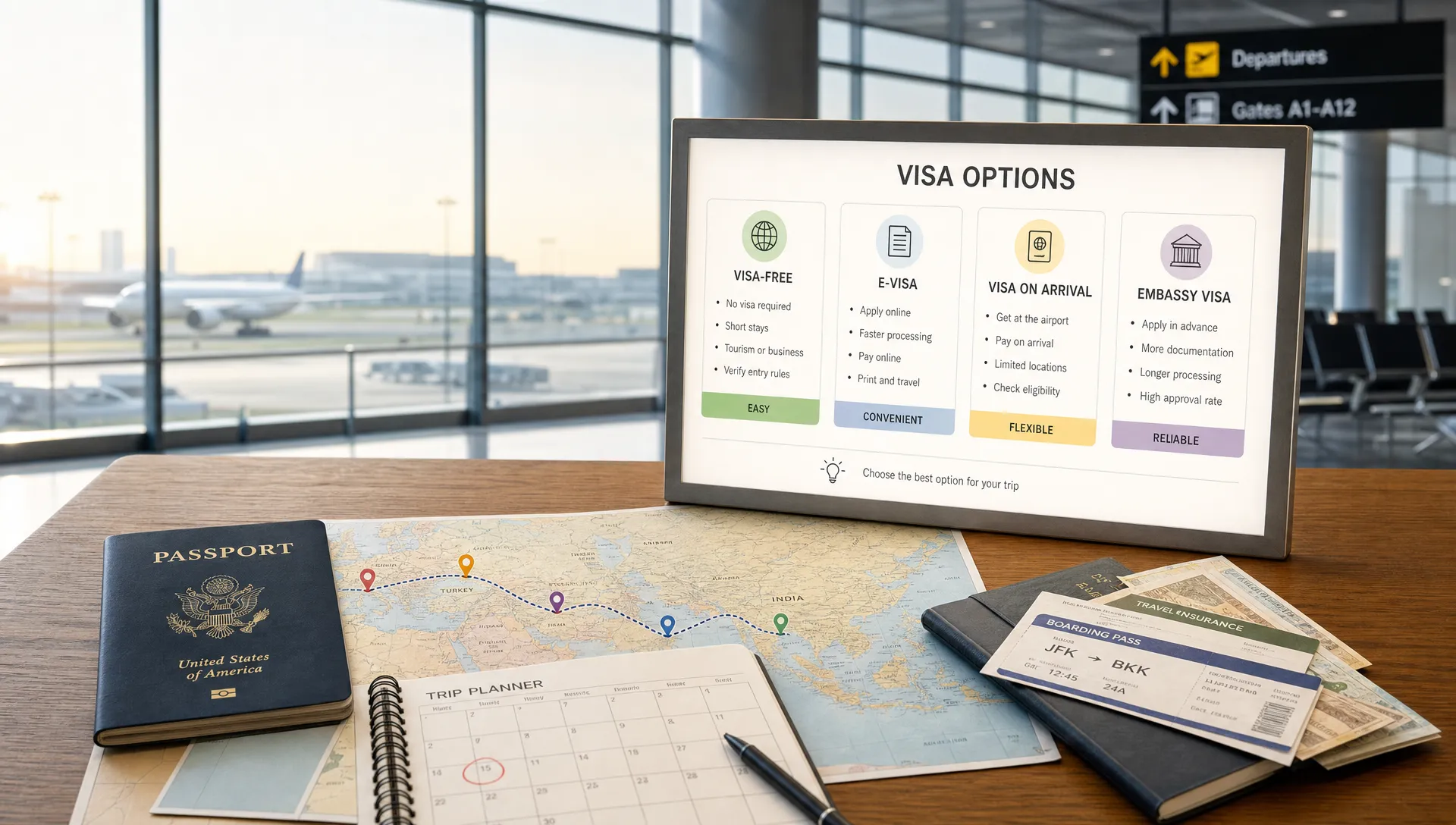
Access visa support should make international travel easier to understand, not just help you fill in another form. For travelers, the best support answers three practical questions: Do I need a visa or travel authorization, which route applies to my trip, and what must I do before departure?
That sounds simple, but visa rules depend on nationality, residence, destination, travel purpose, trip length, transit points, passport validity, previous immigration history, and sometimes even airline routing. A traveler flying for a short holiday may face a very different process from someone attending meetings, joining a cruise, studying, or relocating for work.
This guide explains what travelers should realistically expect from access visa support, where the limits are, and how to prepare so the process is faster, clearer, and less stressful.
What access visa support actually covers
Access visa support is the practical help travelers receive when they need to understand or complete visa, eVisa, electronic travel authorization, entry declaration, or border documentation requirements. It can come from a travel agency, airline, tour operator, corporate travel team, visa platform, specialist provider, or an embedded visa tool inside a booking flow.
Good support does not begin with payment. It begins with assessment. Before anyone asks you to upload documents or enter passport data, they should help clarify whether you need a visa at all, what category fits your journey, and whether your timing is realistic.
A reliable support process usually includes requirement checks, document guidance, application review, submission assistance where permitted, status updates, and help interpreting the final outcome. In some cases, it may also include appointment guidance, premium eVisa handling, or assistance for group and family applications.
What it should not include is a guaranteed approval promise. Visa decisions belong to the destination government or border authority. A support provider can reduce preventable mistakes, but it cannot override eligibility rules.
Expect a proper eligibility check first
The first useful outcome from access visa support is a clear route recommendation. Travelers should not be pushed into a generic application without confirming the basics.
A proper eligibility check should look at the details that actually influence entry requirements:
| Detail checked | Why it matters |
|---|---|
| Passport nationality | Visa rules are usually based first on the passport you will use to travel. |
| Country of residence | Some eVisa routes or consular processes depend on where you legally live. |
| Destination and transit countries | Transit stops can create separate visa or authorization requirements. |
| Purpose of travel | Tourism, business meetings, work, study, medical care, and family visits may require different categories. |
| Length of stay | Short stays and long stays often follow different rules. |
| Entry count | Single-entry, double-entry, and multiple-entry permissions affect whether a side trip is allowed. |
| Passport validity | Many destinations require a passport to remain valid for months after arrival or departure. |
This step matters because the wrong visa category can be worse than no application at all. A traveler who enters as a tourist but plans to perform paid work, for example, may be refused entry or create future immigration problems.
If your situation is complex, such as urgent business travel, a family trip with minors, or mixed tourism and work activity, it is worth understanding when expert travel visa assistance is appropriate before choosing a self-service route.
Expect a document checklist that matches your trip
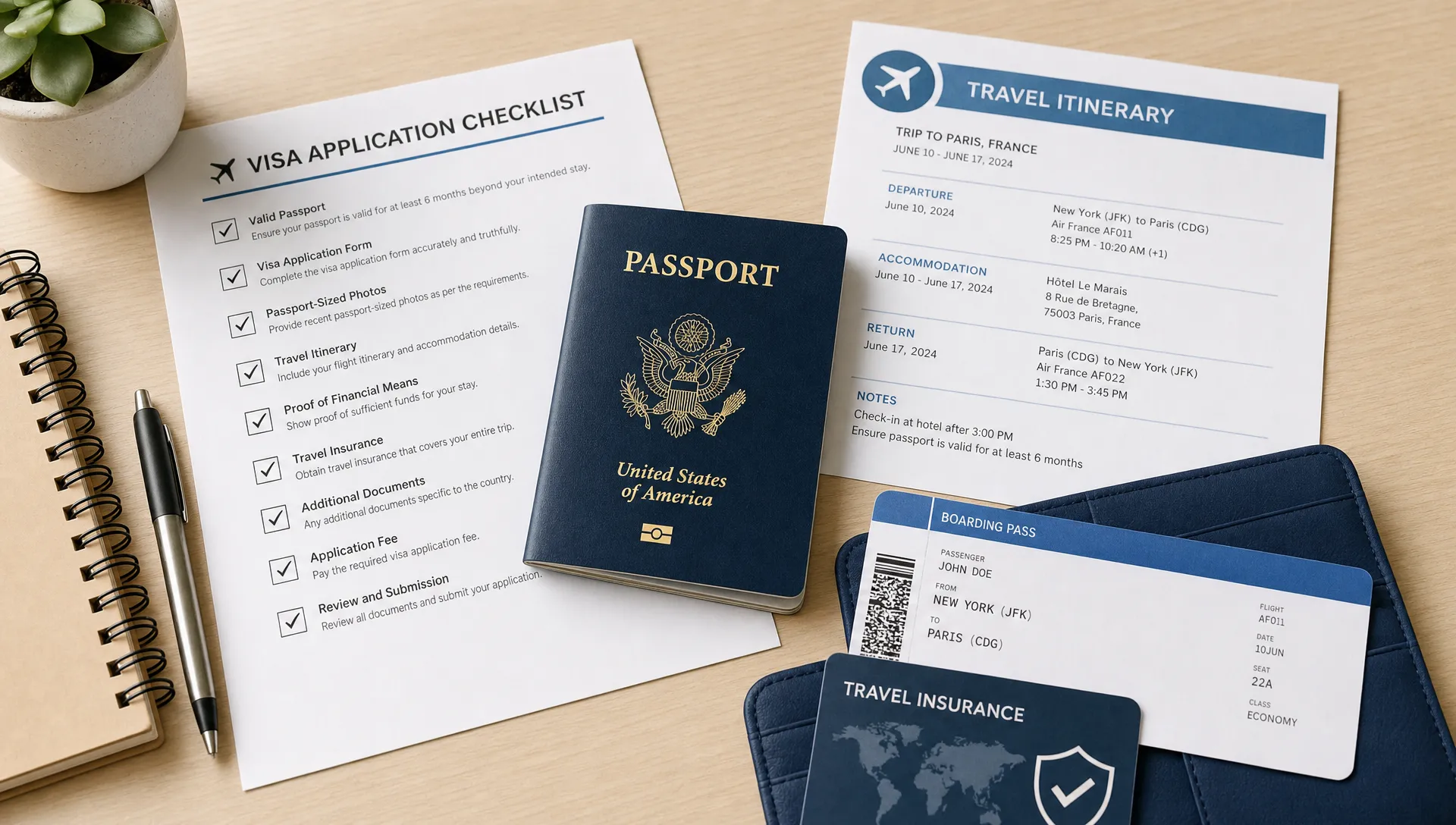
A strong visa support experience should give you a specific checklist, not a vague list copied from a general website. The checklist should be tied to your nationality, destination, visa category, and travel purpose.
Commonly requested documents may include passport scans, passport-style photos, travel itinerary, proof of accommodation, proof of funds, employment confirmation, invitation letters, business event details, family relationship documents, or evidence of onward travel. Requirements vary widely, so travelers should treat every list as destination-specific.
The most helpful providers explain not only what to upload, but how each document should look. For example, they may specify photo size, file type, passport scan quality, whether all four corners must be visible, or whether a bank statement must show your full name and recent activity.
This is where support can save real time. Many delays happen because a document is technically present but unusable, blurry, cropped, expired, translated incorrectly, or inconsistent with the form.
Expect help with forms, but not permission to be careless
Visa forms are unforgiving. A small mismatch between the passport and application can cause delay, rejection, or problems at the border. Access visa support should help travelers spot common form errors before submission.
Pay close attention to names, passport numbers, date formats, place of birth, nationality, gender marker, travel dates, accommodation address, and previous travel history. If your passport uses multiple surnames, special characters, hyphens, or a different naming order than your usual documents, enter details exactly as instructed.
Support teams can guide you, but the traveler remains responsible for truthful and accurate information. Never guess travel history, hide a previous refusal, change employment details to look more eligible, or upload a document that does not reflect reality.
For eVisa and electronic authorization processes, many refusals and delays come from simple data mistakes. Travelers can reduce that risk by reviewing the common mistakes to avoid when applying for an electronic visa before pressing submit.
Expect realistic timelines, not magic speed
Visa support can make a process smoother, but it cannot make a government process disappear. Processing times vary by destination, visa type, season, security checks, appointment availability, public holidays, and whether extra documents are requested.
A trustworthy provider should tell you the difference between estimated processing time and guaranteed completion. It should also clarify when the clock starts. In many cases, processing begins only after the application is complete, fees are paid, biometrics are taken if required, and the authority accepts the file.
| Timing issue | What travelers should expect |
|---|---|
| Same-day travel | Support may identify options, but many visas cannot be secured instantly. |
| Last-minute eVisa | Some destinations process quickly, but errors or manual review can still cause delays. |
| Consular visa | Appointments, interviews, or courier steps can add days or weeks. |
| Peak travel periods | Holidays and school breaks can slow appointment availability and decision times. |
| Extra document requests | The timeline can reset or extend until the requested information is accepted. |
The safest approach is to check visa requirements before buying non-refundable tickets or accommodation, especially if you have a passport with stricter entry rules, a prior refusal, or a trip involving more than one country.
Expect transparent fees and clear refund rules
Visa-related costs are often made up of several parts. Travelers should know what they are paying for before submitting an application.
Typical cost categories include government or consular fees, provider service fees, optional priority handling where available, appointment fees, courier fees, translation fees, photo services, and add-ons such as document review or guided completion.
A reputable support provider should clearly separate official fees from service charges. It should also explain what happens if your application is refused, withdrawn, duplicated, or not submitted because you are ineligible.
Government fees are often non-refundable once an application is submitted. Service fees depend on the provider's policy and the stage of work already completed. If the refund policy is unclear, ask before you proceed.
Expect updates after submission
The support process should not go silent once your form is submitted. Travelers should receive clear information about the application status, expected next steps, and what to do if the authority requests more information.
After submission, support may include status tracking, confirmation that the application was lodged, reminders for biometrics or interviews, guidance on responding to additional document requests, and help downloading or interpreting the approval notice.
When a visa or eVisa is issued, do not assume everything is correct. Check the approval against your passport and trip details. Review your name, passport number, date of birth, visa validity, allowed length of stay, number of entries, conditions, and destination-specific instructions.
If anything looks wrong, raise it immediately. Some corrections may be possible before travel, while others may require a new application.
Expect clear limits on what support can do
One of the strongest signs of trustworthy visa support is honesty about limits. No provider, travel agent, airline, or platform can guarantee that a government will approve a visa. No provider can guarantee that a border officer will admit you, even if you have an approval document.
A visa, eVisa, or travel authorization generally allows you to travel to a border or request entry under stated conditions. Border authorities may still ask questions about funds, accommodation, return travel, purpose of visit, or supporting documents.
Good support should help you prepare for that reality. It should advise you to carry relevant documents, understand your conditions, and avoid activities not allowed by your visa category.
Be cautious if a provider promises guaranteed approval, encourages false information, suggests hiding past refusals, asks you to sign blank forms, or claims special influence over immigration decisions. Those are red flags.
Expect special handling for business, family, and multi-country trips
Not all travel is a simple vacation. Access visa support becomes especially valuable when the trip has multiple moving parts.
Business travel is a common example. A meeting, trade show, site visit, contract negotiation, training session, or temporary assignment may each raise different immigration questions. The key issue is not whether the trip feels like business to the traveler, but whether the destination permits the planned activity under a visitor route.
For example, a company planning a Malta launch might compare office space for rent in Malta while also confirming whether its staff need visitor permission, work authorization, or a residence pathway. Office planning and immigration planning should move together, but one does not replace the other.
Family trips also deserve extra care. Children may need birth certificates, parental consent letters, custody documents, or separate applications. Group travel can create coordination problems if one traveler has a different nationality, passport validity issue, or past visa history.
Multi-country trips require another layer of review. Travelers should confirm whether a visa is valid for every stop, whether airport transit requires permission, and whether leaving and re-entering a country is allowed under the issued visa.
Expect privacy and data security safeguards
Visa applications involve sensitive personal information. You may be asked for passport data, travel history, addresses, employment details, financial evidence, family information, and biometric appointment details. Travelers should expect a responsible provider to explain how that information is collected, used, stored, shared, and deleted.
At minimum, a support process should use secure data collection, limit access to people who need the information, avoid unnecessary document requests, and provide a clear privacy notice. If a provider asks you to send passports, bank statements, or identity documents through unsecured channels without explanation, consider whether the convenience is worth the risk.
Travel businesses have additional responsibilities. If they embed visa support into a booking flow, they should understand who controls the data, how traveler consent is captured, how customer support requests are handled, and whether the process fits their own privacy and compliance obligations. If you are comparing providers, this is one of the practical areas covered in what to expect from a visa application company.
What travelers should prepare before asking for support
You will get better help if you arrive with the right information. Before contacting a provider or starting an application, gather the basics in one place.
| Prepare this | Why it helps |
|---|---|
| Passport used for travel | Requirements are tied to the passport, not only where you live. |
| Residence country and permit status | Some routes depend on legal residence. |
| Full itinerary | Transit and side trips can change visa requirements. |
| Purpose of each stop | A business meeting and a vacation may need different treatment. |
| Travel dates | Validity windows and processing times depend on timing. |
| Prior refusals or overstays | These may need disclosure and extra documentation. |
| Supporting documents | Having scans ready reduces last-minute delays. |
If you are unsure about an answer, say so. Guessing is one of the easiest ways to create inconsistencies. A good support provider can often explain what evidence is needed or where to verify the detail.
What good access visa support feels like
A traveler-friendly visa support experience should feel calm, structured, and transparent. You should know where you are in the process, what is still missing, what has been submitted, and what risk remains.
Good support uses plain language. It explains the difference between a visa, an eVisa, an ETA, a visa on arrival, and a transit requirement without assuming you already know the system. It also gives you practical reminders, such as printing or saving the approval, checking passport validity, and carrying supporting evidence on travel day.
For travel brands, good support should also reduce friction. Visa guidance should appear early enough in the booking journey to prevent surprises, but not so aggressively that it confuses travelers who do not need action. A well-designed visa solution can improve customer confidence, reduce support questions, and create compliant ancillary revenue when visa services are genuinely useful.
Frequently Asked Questions
Is access visa support the same as getting a visa? No. Access visa support helps you understand requirements, prepare documents, complete forms, and manage the application process. The actual visa decision is made by the destination authority.
Can a visa support provider guarantee approval? No. A provider can reduce avoidable mistakes and help you choose the right route, but it cannot guarantee approval or entry at the border.
When should I ask for visa support? Ask as early as possible, ideally before booking non-refundable travel. Support is especially useful for urgent trips, business travel, family applications, multi-country itineraries, and cases involving previous refusals.
What information should I have ready before starting? Have your passport, travel dates, itinerary, accommodation details, purpose of travel, residence status, and any previous visa refusal or overstay information ready.
Do I still need to carry documents if my eVisa is approved? Usually, yes. You should save a digital and printed copy of your approval and carry supporting documents such as return travel, accommodation, invitation letters, or proof of funds if relevant.
Make visa support simpler for your travelers
Access visa support should remove uncertainty from the travel experience. For travelers, that means clear requirements, accurate applications, realistic timelines, and honest limits. For travel companies, it means offering guidance at the right moment without adding operational burden.
SimpleVisa helps travel businesses streamline visa support through automated processing, API integration, white-label application experiences, and data services that fit into existing booking flows. If your customers need clearer border requirement guidance, better application support, and a smoother path from booking to departure, SimpleVisa can help make travel administration simpler.