Apply for Turkish e Visa the Safe and Easy Way
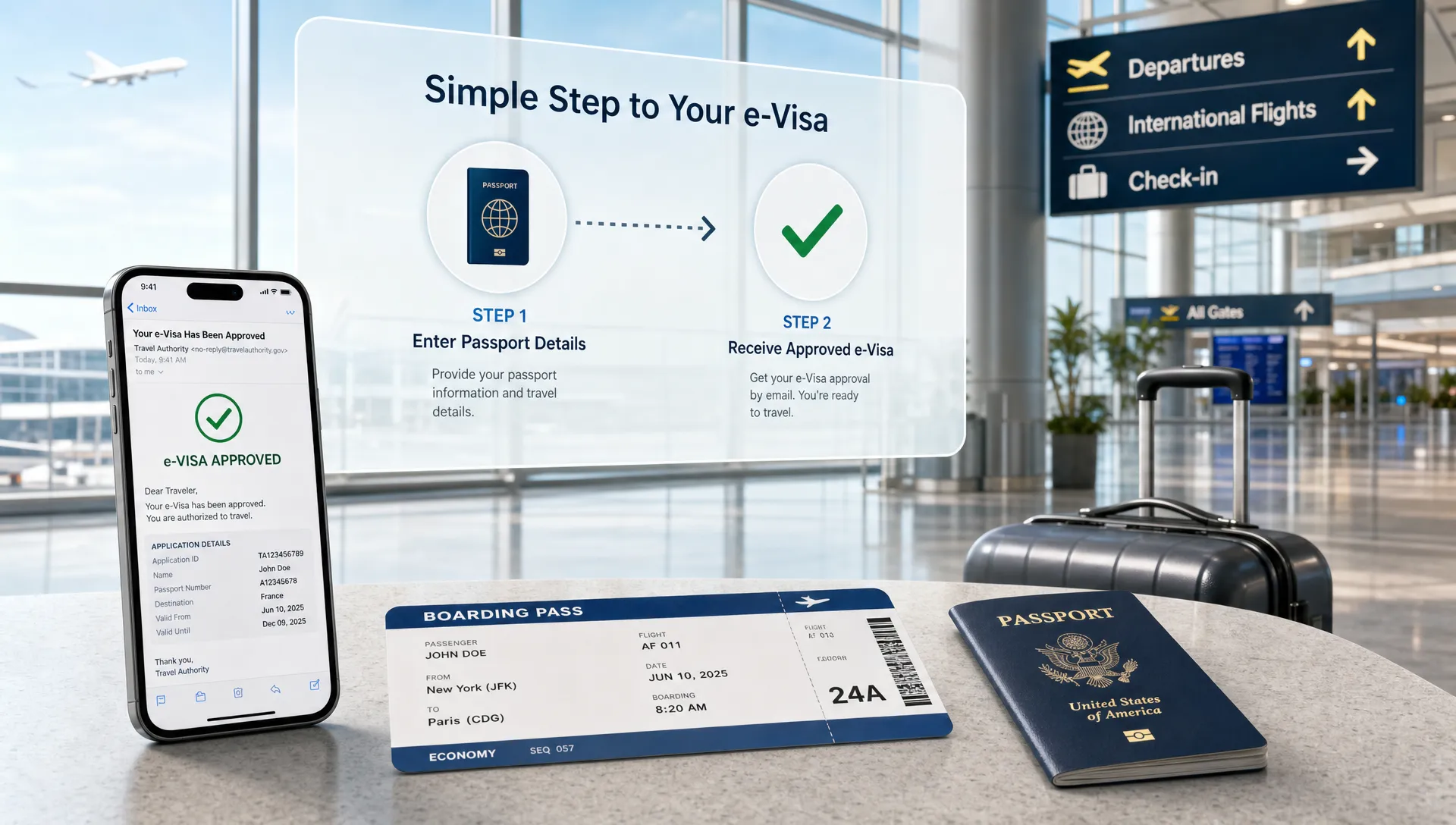
For many travelers, Türkiye is one of the easiest destinations to plan online. Flights, hotels, tours, airport transfers, and many entry requirements can be handled before departure. Still, the moment someone needs to apply for Turkish e visa approval, the process can feel stressful because it involves passport data, eligibility rules, and payment details.
The good news is that the Turkish e-Visa process is designed to be straightforward for eligible travelers. The safer approach is not to rush through it. It is to confirm eligibility, use a trustworthy application route, enter passport details exactly, and keep the approved document accessible throughout the trip.
For travel businesses, the stakes are even higher. A customer who books a Turkey package but misunderstands entry requirements may blame the travel provider, even if the visa application was technically outside the booking. Building a safer, easier visa workflow can reduce support questions, improve the customer experience, and create a valuable ancillary service.
What is a Turkish e-Visa?
A Turkish e-Visa is an electronic travel authorization for eligible foreign nationals traveling to Türkiye for tourism or commercial purposes. Instead of visiting an embassy or consulate, eligible travelers complete the application online, pay electronically, and receive an approved e-Visa digitally.
The e-Visa is not the same as permission to work, study, or live in Türkiye. It also does not guarantee entry in every circumstance. Border officials can still review the traveler, passport, supporting documents, and purpose of travel on arrival. That is why the application should be accurate and the traveler should carry any documents connected to their trip.
The exact visa conditions vary by nationality, passport type, and sometimes by supporting documents such as valid visas or residence permits from certain countries. Before making plans around an e-Visa, always confirm current rules through the official Republic of Türkiye e-Visa Application System.
Before you apply, check these basics
The easiest Turkish e-Visa application is the one that starts with the right information. Most mistakes happen before the payment page, when travelers assume they are eligible, use a soon-to-expire passport, or enter travel details that do not match their documents.
A simple pre-check should include:
- Nationality and passport type: Eligibility can differ for ordinary, diplomatic, service, and special passports.
- Trip purpose: The e-Visa is generally for tourism or commercial visits, not employment or long-term residence.
- Passport validity: Travelers should confirm that the passport is valid long enough for Türkiye entry rules and airline requirements.
- Arrival date: The e-Visa validity period is connected to the selected start date, so do not guess.
- Supporting document rules: Some travelers may need a valid supporting visa or residence permit, depending on nationality.
- Traveler email access: The approved e-Visa is delivered digitally, so use an email account that can be accessed before and during travel.
If you want a more detailed safety walkthrough, SimpleVisa also explains how to use the Turkey eVisa site safely without exposing personal information to unnecessary risk.
How to apply for Turkish e visa approval safely
A safe application is less about speed and more about control. You should know where you are applying, what data is being submitted, and how the approved document will be stored.
| Step | What to do | Why it matters |
|---|---|---|
| Confirm eligibility | Check nationality, passport type, and purpose of travel before starting | Prevents payment for the wrong visa route |
| Prepare documents | Keep passport, travel dates, and supporting documents nearby | Reduces typing errors and abandoned applications |
| Verify the site or provider | Look for secure pages, clear identity, and trustworthy payment handling | Protects passport and payment data |
| Match passport details | Enter names, passport number, dates, and nationality exactly as printed | Small mismatches can cause airline or border issues |
| Review before payment | Re-read every field before submitting | Many visa data errors cannot be fixed instantly |
| Save the approval | Download the e-Visa PDF and keep digital and printed copies | Makes airport and arrival checks easier |
When applying directly, verify that you are on the correct government domain before entering personal details. If you use a travel company, agency, or visa support provider, check that it clearly explains what service is being provided, how your data will be used, and what fees apply.
This same verification mindset applies to any sensitive online transaction. Whether someone is reviewing government visa requirements or checking transparent documentation from a specialist supplier such as PeptideX Australia, the principle is the same: confirm the source, review the supporting information, and only submit payment details through a secure, accountable process.
Safe vs risky application signals
Not every website that appears in search results is the official Turkish e-Visa portal. Some private providers are legitimate service companies, but others may be confusing, overpriced, or unsafe. The goal is not to avoid all third-party help, but to understand who is collecting your information and why.
| Safe signal | Risk signal |
|---|---|
| Clear organization identity and contact information | No clear owner, address, or support channel |
| Secure checkout and privacy information | Payment page that feels inconsistent or unbranded |
| Transparent explanation of government fees and service fees | Fees hidden until the final step |
| Application guidance that asks for exact passport matching | Forms that auto-change names or dates without explanation |
| Realistic processing language | Promises of guaranteed entry or impossible approval times |
| Easy access to submitted details and final documents | No confirmation email or no way to retrieve the application |
For travelers, the best habit is to slow down before payment. For travel businesses, the best habit is to remove ambiguity from the customer journey. If a customer is already booking flights or a package, they should not have to search the open web and guess which visa route is safe.
Common mistakes that can cause problems
Many Turkish e-Visa issues are preventable. The application itself may be short, but the consequences of an error can be frustrating, especially if the traveler notices the problem at check-in.
The most common mistakes include entering the passport number incorrectly, mixing up issue and expiry dates, using a nickname instead of the passport name, selecting the wrong nationality, and choosing the wrong arrival date. Travelers also sometimes apply with an old passport and then renew it before travel, which can invalidate the match between the e-Visa and the passport used at the border.
Another common issue is assuming that a fast approval means there are no other requirements. Airlines and border authorities may still ask about onward travel, accommodation, funds, or supporting documents depending on the traveler profile and current rules. The e-Visa should be treated as one part of a complete travel document set.
If you are handling multiple travelers, such as a family, tour group, or business delegation, review each application separately. Similar names, shared email addresses, and group bookings can make it easier to attach the wrong approval to the wrong passport.
Why travel businesses should build visa support into the booking flow
For travel businesses, Turkey is a strong example of why visa guidance belongs close to the booking experience. Customers do not think of visas as a separate administrative task. They think of them as part of getting the trip right.
A traveler who books a flight and hotel but later discovers they misunderstood entry rules may contact the airline, agency, tour operator, or online travel platform for help. This creates support pressure and can reduce trust, even when the business was not responsible for the traveler failing to apply.
Integrating visa support can help travel companies:
- Guide customers toward the right visa pathway based on trip context
- Reduce repetitive support questions about eligibility and documents
- Offer a more complete travel experience after booking
- Create ancillary revenue from a service travelers already need
- Lower the risk of customers using unsafe or confusing websites
SimpleVisa is built for this exact challenge. Its solutions help travel businesses streamline visa applications through automation, API integration, white-label app options, custom data services, guided customer applications, and no-code implementation where needed. For broader safety principles beyond Türkiye, see this guide on how to apply for a travel visa online safely.
A smoother Turkish e-Visa workflow for customers
The best visa experience feels timely and relevant. Customers should receive visa information when it is useful, not after they have already started searching alone.
For example, a travel site selling trips to Istanbul or Antalya can surface visa guidance after destination selection, after nationality is known, or during post-booking communications. A tour operator can send customers into a guided application flow rather than sending a generic reminder. A corporate travel provider can reduce traveler confusion by standardizing e-Visa support across teams.
The workflow does not need to be complicated. It should answer four questions clearly:
| Customer question | Helpful workflow response |
|---|---|
| Do I need a visa for Türkiye? | Show a nationality and trip-purpose check |
| Can I apply online? | Explain whether the e-Visa route appears relevant or whether further review is needed |
| What information do I need? | Request passport and travel details in a guided format |
| What happens after approval? | Provide the e-Visa, storage guidance, and travel reminders |
This is where automation matters. A well-designed visa journey reduces manual work for agents and helps customers avoid avoidable errors. If your team is new to online visa processes, SimpleVisa has a broader get-started guide to eVisa applications that explains the typical stages from eligibility to approval.
What to do after the Turkish e-Visa is approved
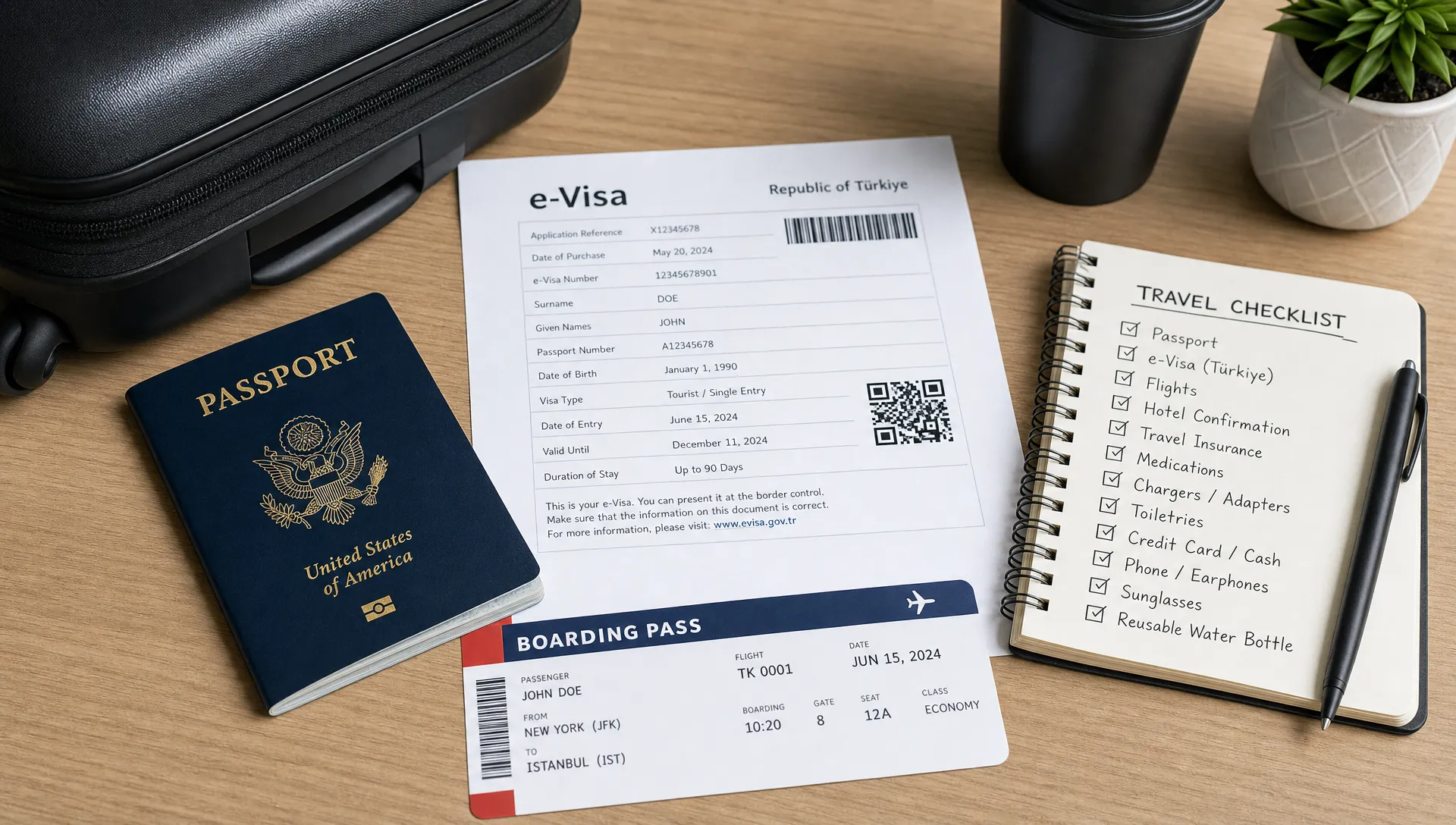
Approval is not the final step. Once the e-Visa arrives, the traveler should confirm that every detail matches the passport. This includes full name, passport number, nationality, and validity dates. If anything looks wrong, do not assume it will be accepted at the airport.
Travelers should save the e-Visa PDF in more than one place. A good approach is to keep it in email, download it to a phone, store it in a travel documents folder, and print a paper copy. Phones run out of battery, apps fail, and airport Wi-Fi can be unreliable, so redundancy is useful.
It is also wise to keep the passport used for the application. If a passport is renewed after the e-Visa is issued, the traveler may need to apply again with the new passport details. The e-Visa and passport should travel together as a matching pair.
Finally, travelers should respect the permitted stay and purpose of travel. Overstaying or using a tourism or commercial e-Visa for the wrong activity can create future immigration problems.
Frequently Asked Questions
Can I apply for a Turkish e visa online? Eligible travelers can apply online through the official Turkish e-Visa system. Eligibility depends on nationality, passport type, purpose of travel, and sometimes supporting documents.
How long does a Turkish e-Visa take to process? Many applications are processed quickly, but timing can vary due to eligibility, payment issues, system availability, or data errors. Apply before your travel day so there is time to fix problems.
Do I need to print my Turkish e-Visa? It is smart to carry both a digital and printed copy. The visa is electronic, but a printed copy can help if a phone is unavailable or an airline agent asks to see the document.
Can a travel agency help customers apply? Yes, travel businesses can guide customers through the process or use a visa support solution, as long as fees, responsibilities, data handling, and application details are clear.
What if I entered the wrong passport details? Do not travel assuming the error will be ignored. Check official guidance or your application provider’s support process. In many cases, a new application may be needed.
Make Turkish e-Visa support easier with SimpleVisa
Applying for a Turkish e-Visa should feel simple for travelers and manageable for the businesses serving them. The safest path is to verify eligibility, protect personal data, review passport details carefully, and keep the approved document accessible.
For travel businesses, the bigger opportunity is to make visa support part of the customer journey instead of leaving travelers to search alone. SimpleVisa helps travel companies streamline visa processing through guided applications, API integration, white-label options, data services, and automation designed for modern booking flows.