E Visa for Indian Citizens: Countries, Rules, and Tips
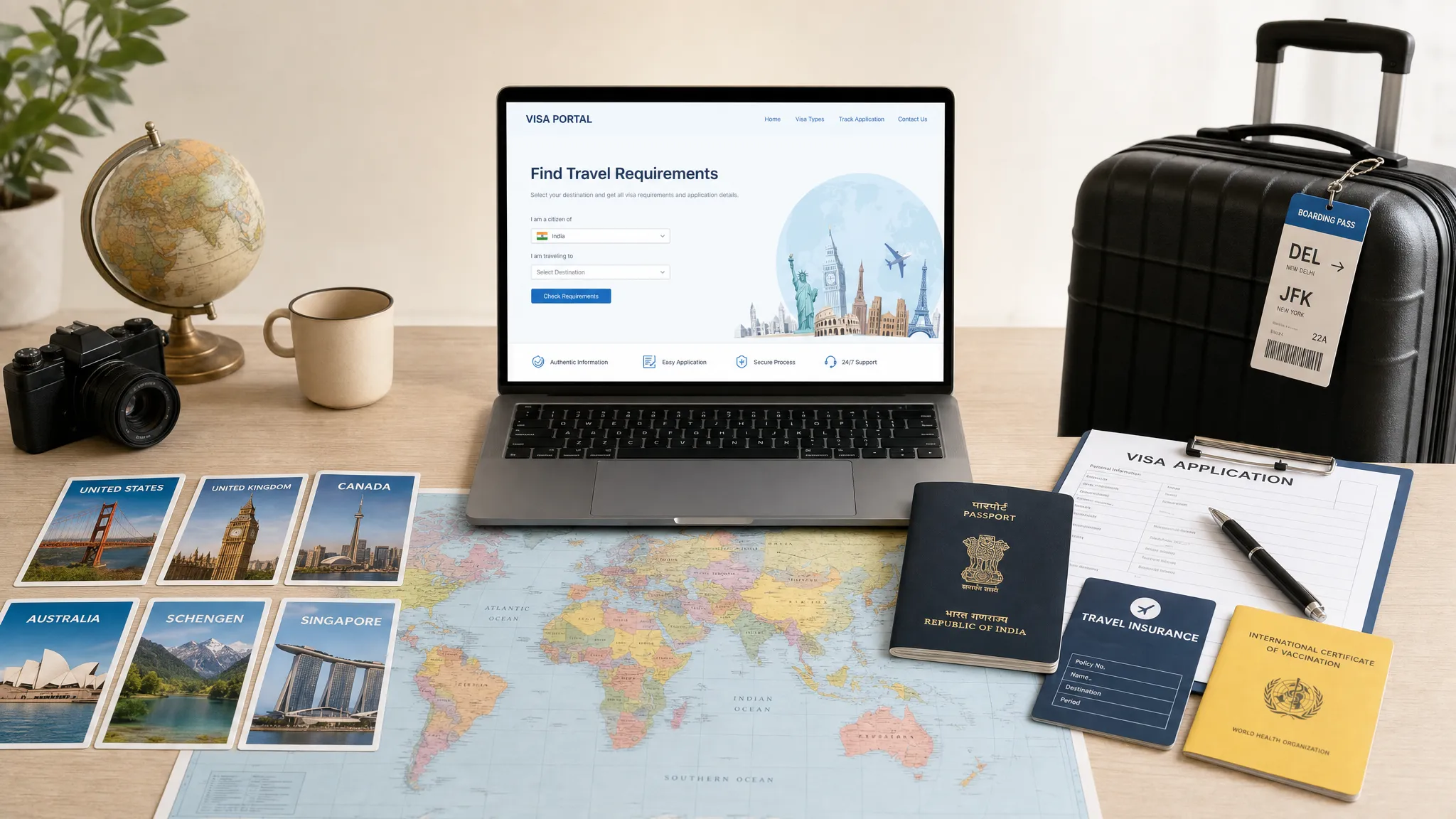
For Indian passport holders, international travel is getting easier in one important way: more countries now let travelers apply online instead of visiting an embassy or visa center. But an e visa for Indian citizens is not one single global document. Each country sets its own eligibility rules, stay limits, fees, processing times, and document standards.
That means two destinations that both advertise an “eVisa” can work very differently. One may approve a tourist visa in a day, while another may require hotel proof, a valid US or Schengen visa, biometrics, or an application through an authorized agent.
This guide gives Indian travelers, travel agents, and booking platforms a practical overview of popular eVisa destinations, the rules that matter most, and the mistakes to avoid before submitting an online application.
What counts as an eVisa for Indian citizens?
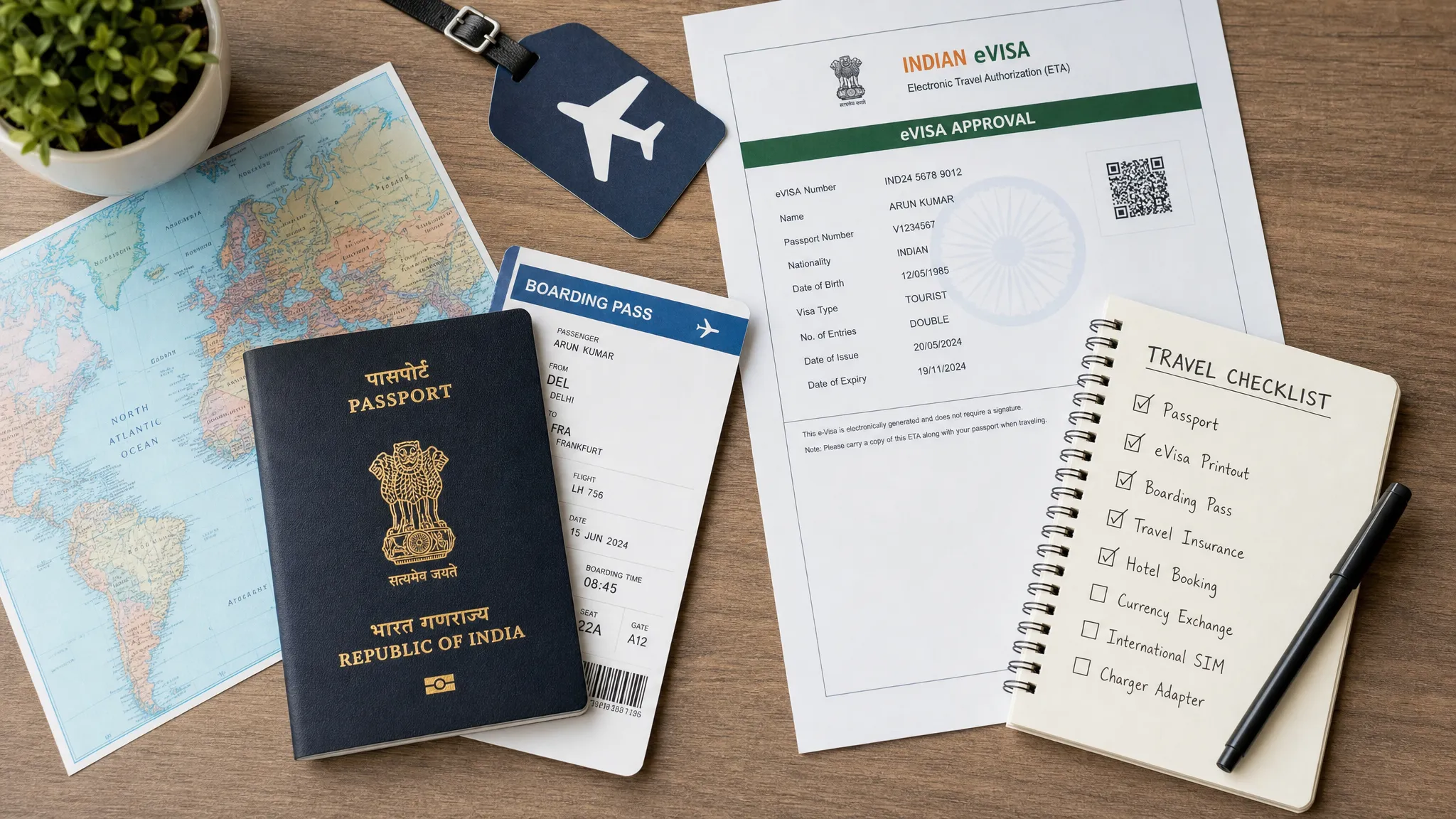
An eVisa is a travel authorization applied for online and issued digitally, usually as a PDF, email confirmation, or record linked to your passport. In many cases, you still need to show the approval at airline check-in and at immigration.
However, travelers often use “eVisa” to describe several different systems:
| Term | What it usually means | What Indian travelers should check |
|---|---|---|
| eVisa | A visa applied for and issued online before travel | Eligibility, validity, entry type, permitted purpose |
| ETA or eTA | Electronic travel authorization, often lighter than a visa | Whether approval is mandatory before boarding |
| e-VOA | Visa on arrival requested or paid online before arrival | Accepted airports, extension rules, payment proof |
| Online visitor visa | A standard visa submitted through a digital portal | Processing time, biometrics, health or financial documents |
| Electronic arrival card | A travel declaration, not a visa | Whether a separate visa or visa-free policy also applies |
If you are new to the concept, SimpleVisa’s guide to an electronic visa for tourism explains how digital visa systems differ from traditional paper visas.
The most important takeaway is simple: do not assume “online application” means “automatic approval.” Immigration officers and visa systems can still reject applications, request corrections, or ask for additional proof.
Popular countries with eVisa or online visa options for Indian citizens
The list below is a planning shortlist, not a substitute for official immigration advice. Visa rules change often, and eligibility may depend on your passport validity, residence country, airline, previous visas, or reason for travel. Always verify the latest rules on the destination’s official immigration website or with a trusted travel document source such as the IATA Travel Centre before booking nonrefundable plans.
| Destination | Common online route for Indian citizens | Typical use case | Key rule to double-check |
|---|---|---|---|
| Vietnam | eVisa | Tourism, short business visits | Stay length, single vs multiple entry, approved ports |
| Indonesia | e-VOA or online visitor visa | Bali holidays, tourism | Entry airport, extension rules, onward ticket |
| Singapore | eVisa, usually through an authorized agent or local contact | Tourism, business meetings, family visits | SG Arrival Card is separate from visa approval |
| Malaysia | Visa-free entry or eVisa depending on current policy | Short tourism and family trips | Current India-specific exemption, MDAC requirement |
| UAE | Tourist eVisa through airline, hotel, agency, or sponsor route | Dubai and Abu Dhabi trips, transit | Sponsor, airline, stay length, overstay fines |
| Turkey | Conditional eVisa for eligible Indian travelers | Tourism and business visits | Valid supporting visa or residence permit requirements |
| Azerbaijan | ASAN eVisa | Tourism, events, business visits | Validity window vs permitted stay |
| Uzbekistan | eVisa | Central Asia travel | Entry dates, passport validity, payment confirmation |
| Armenia | eVisa | Caucasus travel | Eligible visa category and length of stay |
| Bahrain | eVisa | Business visits, events, family trips | Visa type, sponsor rules, multiple entry options |
| Oman | eVisa | Gulf travel and stopovers | Eligible visa class, hotel and return ticket proof |
| Saudi Arabia | Online tourist or transit options for eligible travelers | Tourism, events, stopovers | Eligibility conditions, especially supporting visas |
| Kenya | Electronic Travel Authorization | Safari, conferences, tourism | eTA approval before departure |
| Tanzania | eVisa | Safari, Zanzibar, tourism | Visa category and processing time |
| Australia | Online visitor visa application | Tourism, family visits, business visitor activities | Longer processing, biometrics or health checks may apply |
This is not an exhaustive list. Several countries in Africa, Central Asia, the Middle East, and Southeast Asia have added online systems in recent years. For a wider destination comparison, see SimpleVisa’s global overview of countries that accept electronic visa applications.
The rules that matter most before you apply
The biggest eVisa mistakes usually happen before the application is even started. Travelers often focus on the destination and fee, then miss small requirements that affect approval or boarding.
Passport validity and passport condition
Most destinations require your Indian passport to be valid for at least six months from arrival or departure, though exact rules vary. Some countries also require at least one or two blank pages. If your passport is damaged, peeling, water-marked, or difficult to scan, renew it before applying.
Indian travelers should also make sure their passport details match government records. If you recently renewed your passport, use the new passport number in every booking and visa application. For passport services and renewal information, use the official Passport Seva website.
Exact name matching
Your eVisa application, passport, airline ticket, hotel booking, and travel insurance should all use the same name format. This is especially important for Indian passports where surname fields, initials, or expanded names can create confusion.
If your passport has only one name, follow the destination’s official instructions for “given name” and “surname” fields. Do not invent a surname unless the application portal clearly tells you how to handle single-name passports.
Purpose of travel
Tourist eVisas usually allow sightseeing, family visits, and other non-work activities. They may also allow limited business visitor activities, such as meetings or conferences, but this varies by country.
Visa category matters if your trip blends tourism with sourcing or professional meetings. A traveler visiting a design fair or comparing premium home products, such as customizable designer lighting from BUYnBLUE, may still be a tourist if they are only browsing. But paid work, selling, installation, or representing a company can require a business visa or work authorization.
Entry type and validity period
Two dates matter on an eVisa: the validity window and the permitted stay. They are not the same.
For example, a visa may be valid for entry within 90 days, but allow only 30 days of stay after arrival. A single-entry visa becomes invalid when you leave, even if the validity window has not expired. A multiple-entry visa may allow several visits, but each stay can still be capped.
Approved ports of entry
Some eVisas are accepted only at specific airports, land borders, or seaports. This is common with newer eVisa programs and e-VOA systems. If you enter through a border not listed on your approval, the airline may deny boarding or immigration may refuse entry.
This matters for multi-country trips, cruises, overland routes, and budget airline itineraries that arrive at secondary airports.
How to apply for an eVisa without avoidable errors
Most eVisa systems follow a similar pattern, even though each country has its own portal and document rules. A careful process reduces the chance of delays, corrections, or rejection.
- Confirm eligibility first: Check whether Indian citizens can use the eVisa route for your travel purpose, stay length, and port of entry.
- Use the right website or trusted provider: Avoid lookalike websites that charge excessive fees or submit incomplete applications.
- Prepare documents before you start: Have your passport scan, photo, itinerary, hotel proof, return ticket, and payment card ready.
- Match every detail exactly: Passport number, date of birth, nationality, issue date, and expiry date must be entered without typing errors.
- Upload compliant files: Follow size, background, image clarity, and format rules for photos and passport scans.
- Review before payment: Many portals do not allow edits after submission, or they require a new paid application.
- Save and print the approval: Keep a digital copy on your phone and a printed copy in your hand luggage.
For more practical preparation advice, SimpleVisa has a dedicated guide with tips for first-time electronic visa applicants.
Common eVisa mistakes that delay Indian travelers
Small errors can create big travel problems. In some cases, the eVisa may be approved but still not accepted at boarding because details do not match the passport or itinerary.
| Mistake | Why it causes problems | How to avoid it |
|---|---|---|
| Typing the wrong passport number | The eVisa may not match airline or immigration records | Copy directly from the passport and review twice |
| Uploading a poor photo | Automated systems may reject unclear or noncompliant images | Use a recent color photo with the required background |
| Choosing the wrong visa type | Tourist visas may not allow work, study, or paid activity | Match the visa category to your real travel purpose |
| Ignoring transit rules | Some countries require visas even for short transits | Check airport, terminal change, and baggage recheck rules |
| Booking before approval | Delays can make nonrefundable plans risky | Apply early and leave buffer time |
| Confusing validity with stay length | Travelers may accidentally overstay | Track both the entry deadline and allowed days in country |
| Using an old passport after renewal | The eVisa is linked to the passport used in the application | Apply with the passport you will physically carry |
One of the safest habits is to make a “visa name check” part of your booking routine. Before submitting payment, compare the application against the passport, flight booking, hotel reservation, and insurance certificate.
Special situations Indian citizens should check carefully
Transit and layovers
A short airport layover does not always mean you are exempt from visa rules. You may need a transit visa if you change airports, collect and recheck baggage, pass immigration, stay overnight, or fly on separate tickets.
Gulf hubs, Southeast Asian hubs, and European connections can all have different transit rules for Indian citizens. If you plan a self-transfer, check requirements before booking.
Dual citizens and multiple passports
If you hold Indian citizenship plus another nationality, or if you have residency in another country, eVisa eligibility may change. Some programs require you to apply with the passport you will use to enter and exit. Others grant easier access if you hold a valid US, UK, Schengen, or residence permit.
The golden rule is consistency: use one passport for the visa application, airline booking, and immigration process unless official rules tell you otherwise.
Children and family applications
Children usually need their own visa or electronic authorization, even when traveling with parents. Some portals allow family or group applications, while others require separate applications and fees for each traveler.
Check whether a birth certificate, parental consent letter, or proof of relationship is required, especially if one parent is traveling alone with a child.
Business visitors
Many Indian travelers attend meetings, trade fairs, conferences, or short training sessions abroad. Some countries allow these activities under a tourist or business visitor eVisa, while others require a specific business visa.
If you will be paid locally, deliver services, install equipment, sign contracts, or work on-site, do not assume a simple eVisa is enough. Ask the destination authority, employer, event organizer, or a qualified immigration professional.
Tips for travel businesses serving Indian passport holders
For travel agencies, airlines, tour operators, OTAs, and corporate travel platforms, visa uncertainty can create friction at the worst possible moment: after a customer has chosen a destination but before they complete the booking.
Indian travelers often need answers to practical questions before they pay:
- Do I need a visa, eVisa, ETA, or arrival card?
- Can I apply online with an Indian passport?
- How long will approval take?
- What documents should I prepare?
- Will the airline let me board with this authorization?
This is where embedded visa support can improve conversion and reduce support pressure. SimpleVisa helps travel businesses streamline border requirement guidance and visa application flows through options such as API integration, white-label applications, no-code implementation, and custom data services.
Instead of sending customers away to search for visa rules manually, travel businesses can guide them in context, at the point where the trip is being planned. That makes visa administration less confusing for travelers and can also create a relevant ancillary revenue opportunity for the business.
Frequently Asked Questions
Which countries offer eVisa for Indian citizens? Popular options include Vietnam, Indonesia, Singapore, UAE, Turkey for eligible travelers, Azerbaijan, Uzbekistan, Armenia, Bahrain, Oman, Kenya, Tanzania, and Australia’s online visitor visa route. Availability changes often, so always verify with the destination’s official source.
Is an eVisa the same as visa on arrival? No. An eVisa is usually approved before travel, while a visa on arrival is issued at the border. Some countries offer e-VOA systems where you apply or pay online before arrival, but final permission is still checked at entry.
How long does an eVisa take for Indian citizens? Processing can range from minutes to several weeks depending on the country, season, visa type, and whether extra documents are requested. Apply as early as the destination allows and avoid booking tight international connections before approval.
Can an eVisa be rejected? Yes. Rejections can happen because of ineligible travel purpose, weak documentation, incorrect passport details, poor photo quality, previous overstays, security checks, or applying through the wrong visa category.
Do I need to print my eVisa approval? In most cases, yes. Even if the visa is electronically linked to your passport, airlines and immigration officers may ask for a printed copy. Keep both a digital copy and a paper copy in your hand luggage.
Do Indian citizens still need arrival cards when they have an eVisa? Sometimes. An arrival card or health declaration is often separate from visa approval. Singapore and Malaysia are common examples where travelers should check digital arrival card requirements in addition to visa or visa-free entry rules.
Make eVisa guidance simpler for Indian travelers
For Indian citizens, eVisas can make international travel faster and more convenient, but only when the correct rules are applied to the right traveler, passport, itinerary, and purpose of visit.
For travel businesses, this is an opportunity to remove uncertainty from the booking journey. SimpleVisa helps travel companies guide customers through border requirements and visa applications with solutions designed to fit booking flows, white-label experiences, and data-driven travel services.