Electronic Visa Center: What It Is and How It Works
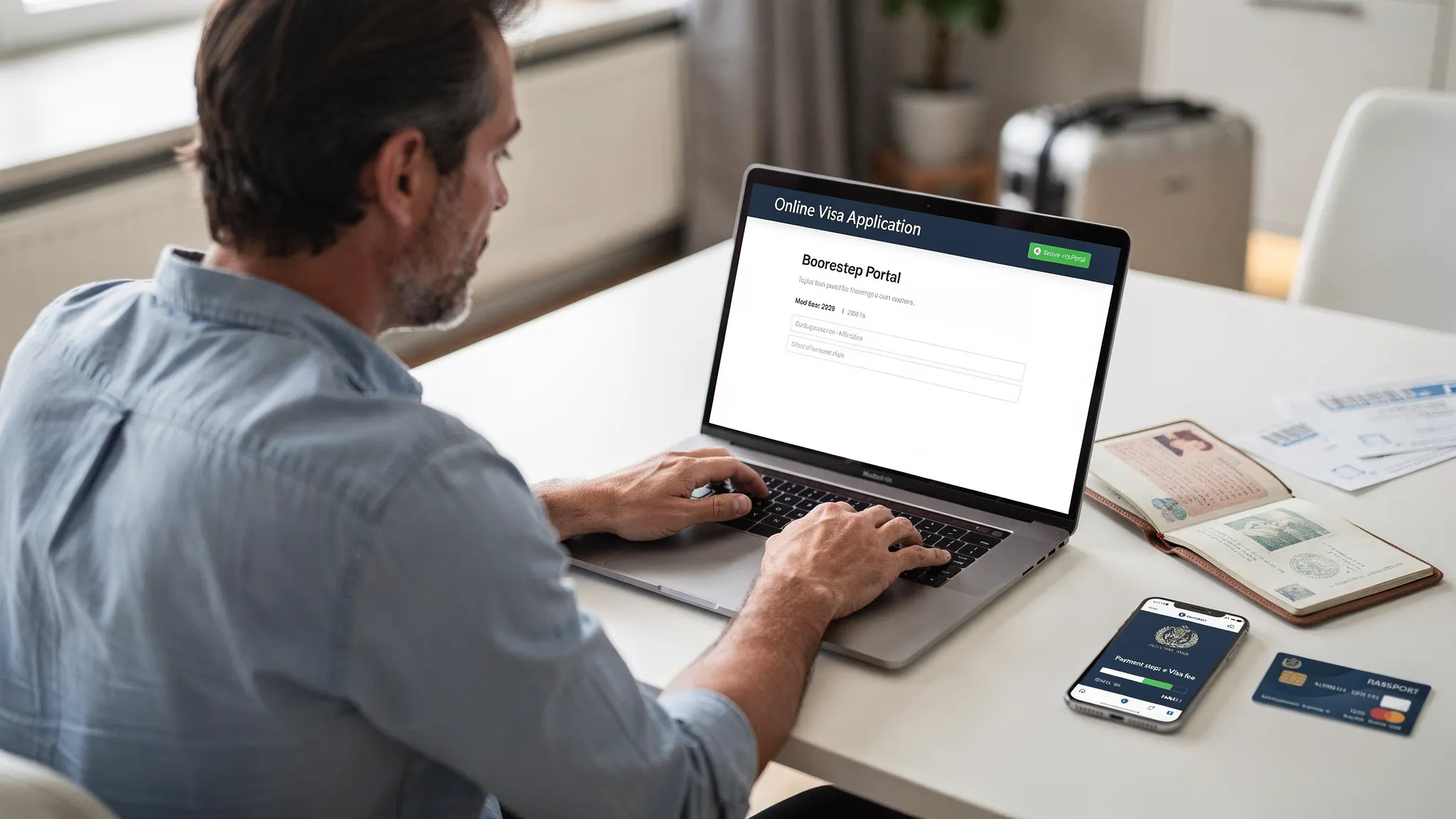
International trips can be booked in minutes, yet border paperwork can still derail plans. An electronic visa center is the digital front door that lets you check requirements, apply, pay, and receive a visa online, then travel with a permit that is linked to your passport. If you are a traveler, it removes embassy visits and long lines. If you are a travel brand, it is the infrastructure that turns compliance into a seamless, revenue‑positive part of the booking journey.
What is an Electronic Visa Center?
An electronic visa center (sometimes called an e‑visa portal or digital visa center) is a government or authorized platform where travelers submit visa applications entirely online. It replaces paper forms and in‑person consulate appointments for eligible trip types and nationalities.
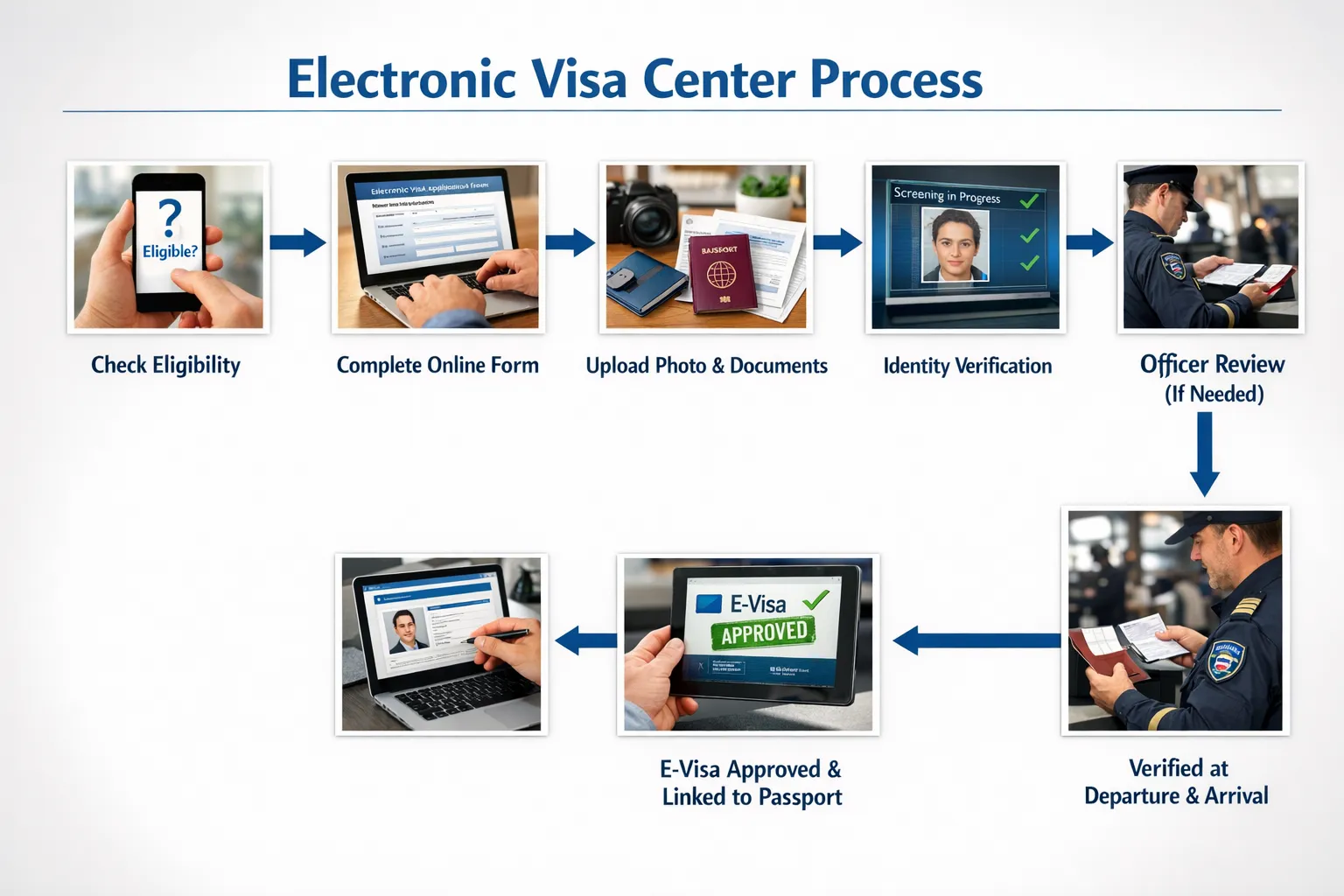
At its core, an electronic visa center provides four capabilities:
- Eligibility guidance based on nationality, purpose of travel, and dates
- A secure online application with document upload and payment
- Automated screening and, when needed, manual officer review
- Digital issuance, usually tied electronically to your passport number
This is not the same as an eTA or travel authorization. eTAs, like the US ESTA or incoming EU ETIAS, are pre‑screening permits for visa‑exempt visitors. E‑visas are visas in digital format, typically with more questions and supporting documents than eTAs.
How an Electronic Visa Center works for travelers
-
Check if you need a visa. You enter your passport country, destination, and purpose of travel. The system shows whether a visa, eTA, or no permit is required and lists fees and timing.
-
Create and complete your application. You provide personal data that matches your passport, travel details, and purpose‑specific information. You upload scans or photos that meet file and size rules.
-
Verify identity and pay. Many portals ask for a live selfie or a short liveness check, then accept card payments or local methods. You receive a confirmation and application ID.
-
Screening and decision. Automated systems validate your data and run security checks. If risk signals appear, a human officer reviews the case and may request more documents.
-
Receive your e‑visa. Approved travelers get a digital approval notice. The e‑visa is linked to your passport electronically and is usually retrievable in your account or via email.
-
Travel with confidence. Airlines and border officers can verify your authorization against the issuing system, often by scanning your passport. Carry a saved PDF or printed copy in case of connectivity issues.
For a practical walkthrough, see SimpleVisa’s step‑by‑step guide to applying for an e‑visa: How to Apply for an Electronic Visa: 3 Easy Steps.
What happens behind the scenes
Modern electronic visa centers combine policy rules, identity validation, and risk screening in a secure workflow:
- Identity parsing and validation, including optical character recognition for the passport data page and checks against the machine readable zone
- Liveness and face matching to reduce impersonation, when required by the issuing authority
- Automated risk checks that compare data against national and international databases, for example, lost or stolen document lists maintained by law enforcement
- Case management for officers to review edge cases, request additional documents, and issue decisions
- Payments with compliant gateways, audit logging, and secure document storage
Governments typically align with international standards for travel documents and data protection. For background on standards and traveler document security, consult resources from ICAO on machine readable travel documents and the INTERPOL Stolen and Lost Travel Documents database. If you are visiting Europe in the coming years, the European Commission’s ETIAS program is a good example of large‑scale digital pre‑travel screening.
For a technical view of how platforms integrate with electronic visa centers, read SimpleVisa’s developer explainer: How eVisa APIs work: Step by Step.
What you can do in an Electronic Visa Center
- Start, save, and edit an application before submission
- Upload documents and compliant photos
- Pay fees and receive receipts
- Track application status and respond to requests
- Retrieve your approved e‑visa and instructions for travel day
- In some countries, request extensions or corrections online
Availability of extensions, edits, and refunds varies by country. Always follow the instructions provided by the issuing authority.
Electronic Visa Center vs other options
| Channel | Who runs it | What you do | Typical processing | Biometrics | Output | Best for |
|---|---|---|---|---|---|---|
| Electronic visa center | Government or authorized partner portal | Apply online, upload documents, pay, track | Minutes to several days depending on country | Sometimes, usually remote liveness or at border | Digital visa tied to passport, downloadable PDF | Short to medium stays when e‑visa is offered |
| Visa application center (VAC) | Outsourced service center | Submit documents in person, provide biometrics | Days to weeks | Often required in person | Paper visa or passport submission | Cases requiring fingerprints, long stays |
| Embassy or consulate | Government mission | Interview and document review in person | Weeks to months | Often required in person | Visa sticker in passport | Work, study, immigration visas |
| eTA or travel authorization portal | Government portal | Short online form and payment | Minutes to 72 hours | Rarely, often no biometrics | Digital authorization, not a visa | Visa‑exempt short visits |
Benefits for travelers
- Apply anywhere, anytime, no embassy visit required
- Faster decisions for eligible trip types
- Clear status tracking and receipts
- Digital records you can store safely and re‑download if needed
New to e‑visas? These tips minimize delays and refusals: verify passport validity, use consistent spellings that match your passport, and follow photo and file size rules precisely. See SimpleVisa’s guide to safe, legitimate online applications: Visa Online: Trusted Ways to Apply and Track.
Benefits for travel brands and TMCs
Electronic visa centers open a new layer of service and ancillary revenue when surfaced inside booking flows:
- Upfront eligibility, displayed with flights or packages, reduces denied boarding risk
- In‑flow application or a branded portal increases conversion and customer satisfaction
- Automated status tracking reduces support tickets and manual follow‑ups
SimpleVisa offers three integration paths that map to your roadmap and resources:
- API integration for eligibility checks, pricing, and full application orchestration
- White‑label visa application app that carries your brand without custom code
- No‑code widget that embeds e‑visa purchase and status updates in minutes
To compare integration models, start here: API vs. White‑Label App: Which Visa Integration Model Suits You?. If security is your top concern, review the checklist: Top 8 Security Features to Demand in Any Electronic Visa Solution.
Security and privacy at an Electronic Visa Center
Legitimate electronic visa centers use layered controls to safeguard traveler data:
- Encryption of data in transit and at rest
- Multi‑factor authentication and session controls for user accounts
- Document redaction, data minimization, and deletion workflows based on retention laws
- Immutable audit logs and role‑based access for case officers
- Regular security assessments and adherence to applicable regulations, for example GDPR for EU‑based systems
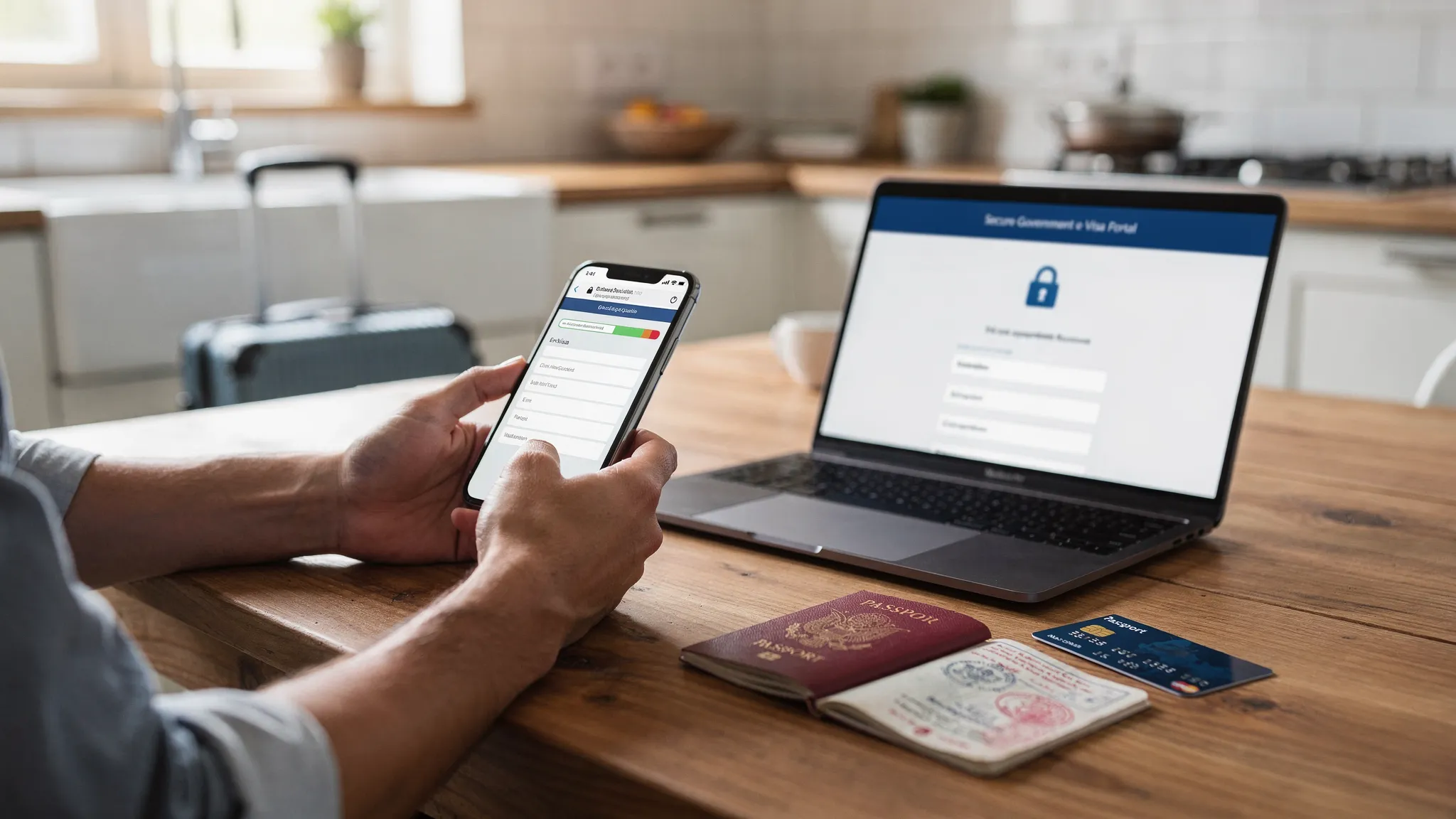
Travelers can help protect themselves by avoiding public Wi‑Fi when applying, using strong unique passwords, and verifying that the portal is official. Read SimpleVisa’s guide to spotting and avoiding scams: Electronic Visa Scams: How to Protect Yourself from Fraud.
Common pitfalls and easy fixes
- Name, date of birth, or passport number does not match the passport. Fix by copying exactly from the passport’s data page and machine readable zone.
- Low‑quality or wrong‑sized photo. Follow dimensions and background color precisely, and compress to accepted file sizes without blurring.
- Wrong purpose of travel. If you are attending business meetings, do not choose tourism to save time; mismatched purposes can trigger refusal.
- Missing proof of funds or accommodation. Upload recent bank statements and confirmations that match the dates you declare.
- Applying too late. Even fast portals can delay during peak seasons. Submit at least several days before departure, and earlier for first‑time users.
For a deeper checklist, see: Electronic Visa: Common Mistakes to Avoid When Applying.
Planning timeline you can trust
- 30 to 45 days before departure, confirm whether an e‑visa or eTA is required and gather documents
- 14 days before, submit your application, earlier if the country advises a longer buffer
- 7 days before, check status and respond quickly to any requests for more documents
- 72 hours before, download your approval again, save offline copies, and verify your passport number and dates
Note, many countries now support e‑visas or eTAs for short stays. As of mid‑2025, more than 70 countries offer e‑visa programs, and many others use eTAs for visa‑exempt travelers. For destination ideas and practical timing advice, explore SimpleVisa’s resources on countries that accept e‑visas and application timelines.
How to choose a trustworthy electronic visa center
- Look for official domains, often a government domain or a site clearly endorsed by the issuing authority
- Verify HTTPS and the correct padlock certificate details
- Check that fees and terms are transparent before you enter personal data
- Cross‑reference the link from the destination’s official immigration or foreign affairs page
- Be cautious of sites that guarantee approval or ask for payment via unconventional methods
If in doubt, use a trusted platform that routes applications to the correct authority and provides clear tracking.
Frequently Asked Questions
Is an electronic visa center always run by a government? Many are government portals, some are authorized partners operating on behalf of governments. Always verify the site from an official government source before applying.
How long does approval take? Simple applications can be approved in minutes, others take a few days. During peak seasons or when additional documents are required, it can take longer. Apply early for safety.
Do I need to print my e‑visa? Many borders can verify electronically using your passport, yet carrying a printed copy or a saved PDF is smart in case of connectivity issues or airline requests.
Are biometrics required for e‑visas? Some programs require a remote selfie or collect fingerprints at the border. Requirements vary by destination and purpose of travel.
What is the difference between an e‑visa and an eTA? An e‑visa is a visa issued in digital form, often with more documentation. An eTA is a travel authorization for visa‑exempt visitors and usually asks fewer questions.
What happens if my passport changes after I get an e‑visa? Most e‑visas are tied to your passport number. If you renew your passport, you may need to transfer or reapply. Follow the issuing authority’s instructions.
Is my data safe when I apply? Reputable portals use encryption, access controls, and follow strict retention rules. Protect yourself by applying over secure networks and verifying the portal’s legitimacy.
Ready to make visas part of a seamless trip experience?
SimpleVisa helps travel brands surface accurate visa rules at booking, guide customers through compliant applications, and unlock ancillary revenue without heavy engineering. Choose from API integration, a white‑label visa app, or a no‑code widget, and go live quickly with proven approval rates and secure workflows.
Travel company or marketplace owner, book a demo to see how an electronic visa center experience can live inside your journey: simplevisa.com.