ETIAS Launch Updates for 2026: What Travelers Should Expect
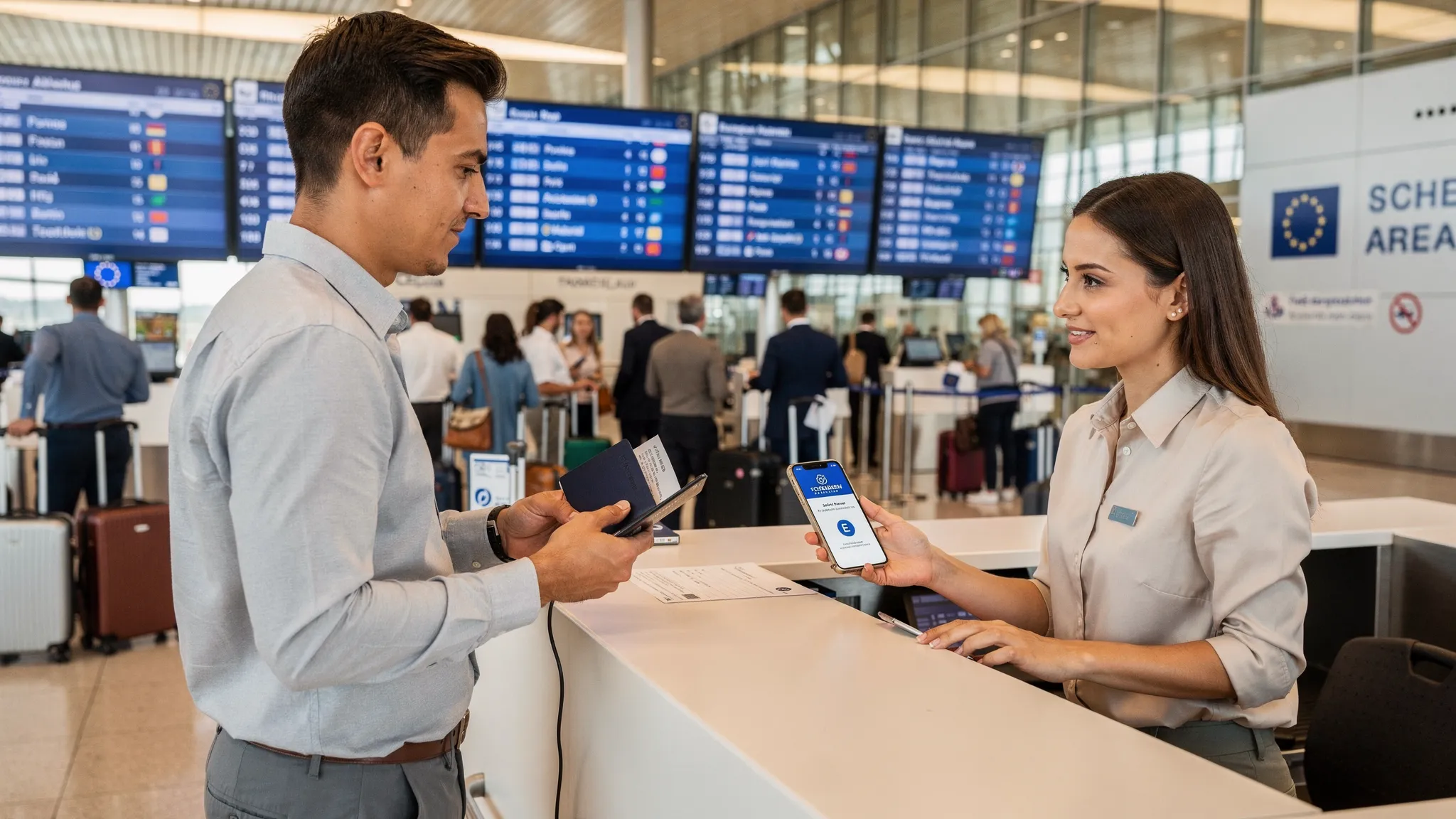
Confusion around ETIAS is understandable: it has been discussed for years, its start has shifted, and it is tightly linked to other EU border-modernization projects. If you are planning a Europe trip in 2026, the key takeaway is that ETIAS is still expected to become a real, enforceable pre-travel step for many visa-exempt visitors, and it will change what “ready to fly” means for Schengen travel.
This update focuses on what has changed in the rollout conversation, why 2026 is the year to watch, and how travelers can prepare without falling for scams or last-minute surprises.
ETIAS in one sentence (and why it is not a visa)
ETIAS stands for the European Travel Information and Authorisation System. It is a digital travel authorization for visa-exempt nationals traveling short-term to the Schengen Area, similar in concept to the U.S. ESTA.
That distinction matters because many travelers search for “ETIAS visa” and assume it replaces Schengen visas. It does not. If you currently need a Schengen visa based on your nationality, ETIAS does not change that.
For the EU’s own description and updates, the most reliable starting point is the official ETIAS page.
Why the ETIAS launch conversation keeps pointing to 2026
The most important “launch update” for travelers is that ETIAS is not rolling out in isolation. The EU has designed ETIAS to work alongside the Entry/Exit System (EES), which modernizes how the Schengen Area records entries and exits for non-EU travelers.
EES is expected to introduce more systematic biometric and passport data capture at external borders (for example at airports and some land crossings), replacing or reducing reliance on manual passport stamping over time. ETIAS, in turn, is intended to be checked before departure by carriers (airlines, rail, coach, cruise operators depending on the route).
Because the two systems are operationally connected, ETIAS is generally communicated as coming after EES is in place and stable. This dependency has been a major reason timelines have moved.
For background on EES, see the EU’s Entry/Exit System overview.
What “phased rollout” can mean in practice
When large border systems go live, regulators often introduce them in stages (by country, by border type, or with a transitional period). While the precise launch mechanics are ultimately defined by EU institutions and Member State readiness, travelers should be prepared for a few practical realities that often accompany phased programs:
- Early communication windows where you will see ETIAS prompts in airline check-in messaging before strict enforcement begins.
- A transition period where border authorities prioritize education and operational stability.
- A later point where carriers enforce “no ETIAS, no boarding” consistently for travelers who need it.
The safest approach for 2026 trips is to plan as if ETIAS could be required for your departure, then confirm close to booking and again close to travel.
What travelers should expect to change once ETIAS is live
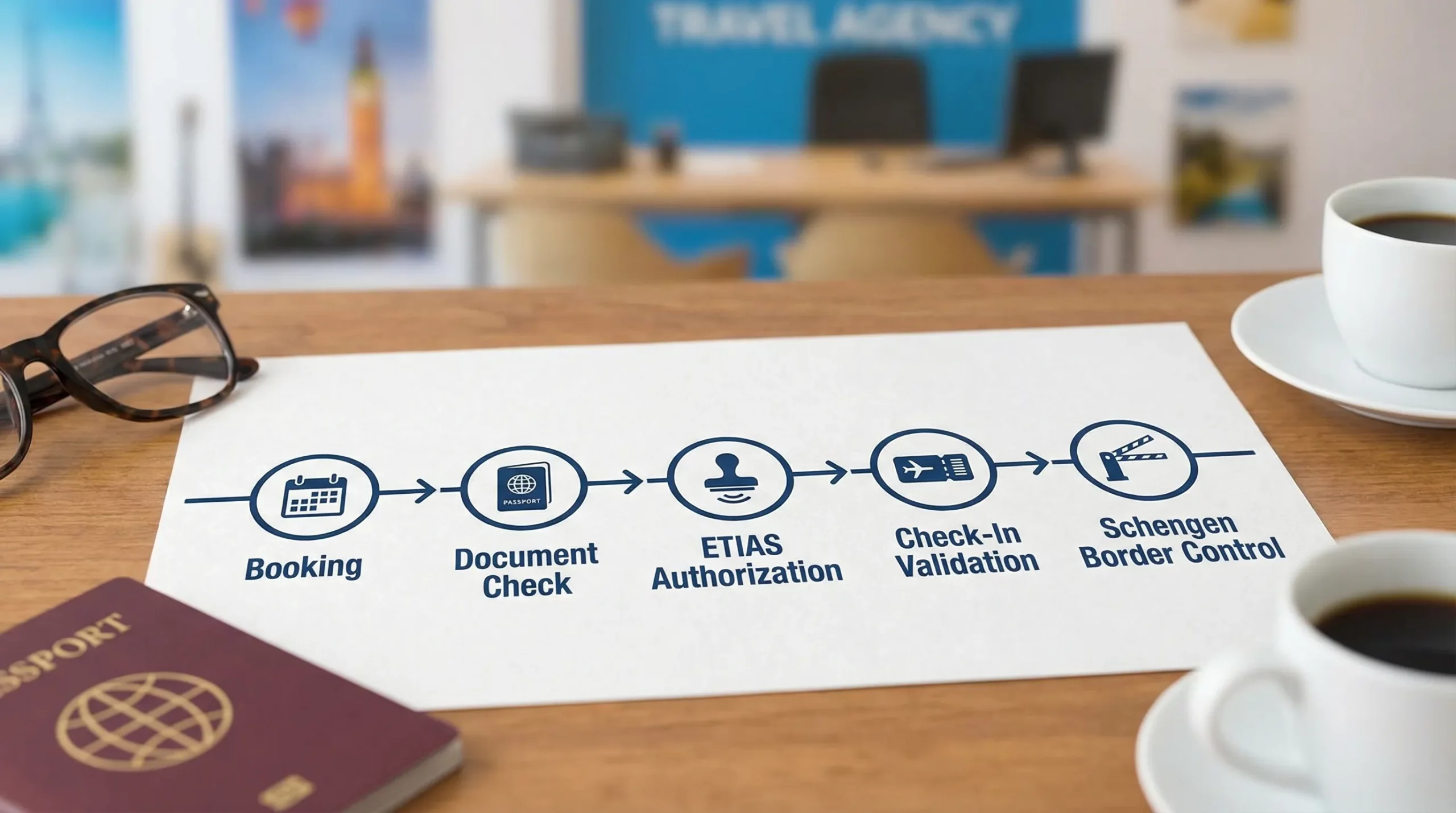
ETIAS is designed to be mostly invisible when everything goes right. The experience changes at two moments: before you travel and when you check in or cross the border.
1) Expect ETIAS to become part of “pre-trip admin,” like an eVisa or ETA
If you are eligible, you should expect an online application that asks for passport and personal details, plus background questions. The authorization is intended to be electronically linked to your passport.
If you have never used an electronic travel authorization before, the best mental model is: a lightweight permission to travel that is checked before boarding, not a document that guarantees entry.
If you want the application workflow details, SimpleVisa already maintains an ETIAS walkthrough here: ETIAS application process.
2) Airline check-in and boarding checks will matter more
One of the most practical changes is that your carrier may validate ETIAS status at check-in, similar to how airlines already validate passport data and some visa requirements.
What this means for travelers:
- If your ETIAS is missing, expired, or tied to the wrong passport number, you risk being denied boarding.
- Name mismatches and passport renewals can become more disruptive because authorizations are linked to passport data.
For preventing common documentation mismatches, this guide is helpful: Handling name mismatches on tickets, passports, and eVisas.
3) Border crossing may feel more “data-driven,” especially with EES
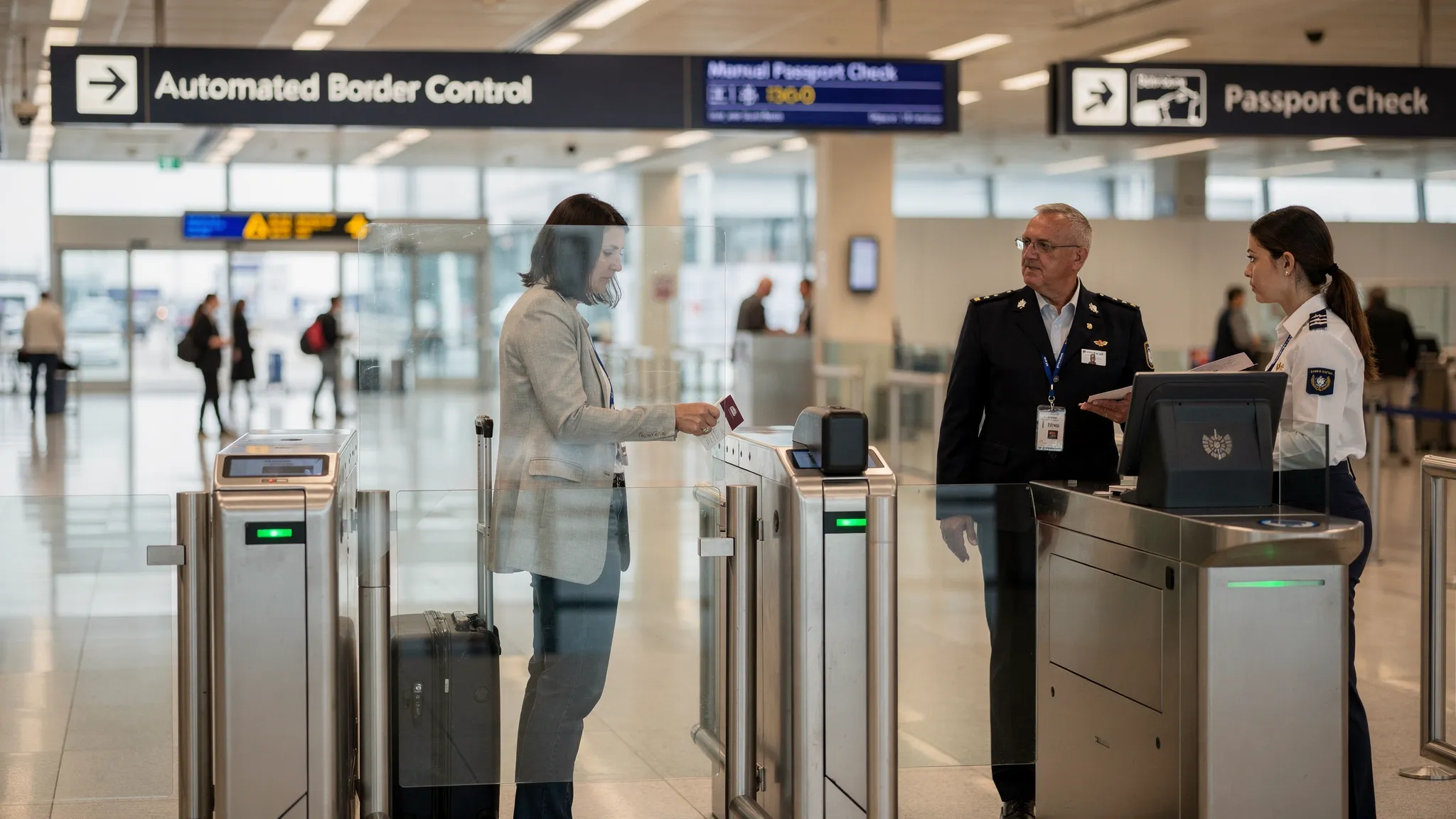
With EES modernization alongside ETIAS, travelers should expect more consistent identity verification at Schengen external borders, including greater use of e-gates where available.
This does not necessarily mean longer waits long-term. In many airports, more automation is introduced precisely to reduce manual bottlenecks. But during early rollout phases, queues can temporarily increase as staff and travelers adjust.
ETIAS vs. eVisa vs. Schengen visa: a quick comparison
If you travel frequently, it helps to separate three concepts that get mixed up in online discussions.
| Document type | Typical audience | What it allows | Checked when | Key traveler risk |
|---|---|---|---|---|
| ETIAS (travel authorization) | Visa-exempt travelers visiting Schengen short-term | Permission to travel (not a visa) | Often before boarding and at the border | Denied boarding if missing or invalid |
| eVisa (electronic visa) | Travelers who need a visa but can apply online | Visa issued digitally by a government | Before boarding and at the border | Refusal if application data or documents are wrong |
| Schengen visa (traditional visa process) | Travelers who are not visa-exempt | Entry permission under visa rules | Before boarding and at the border | Long lead times, appointment delays, document complexity |
If you are unsure which bucket you fall into, SimpleVisa’s broader overview can help frame the differences: 5 key differences between electronic visas and eTAs.
Common 2026 traveler scenarios (and what to do)
ETIAS is straightforward for many solo leisure trips, but certain scenarios create avoidable problems. These are the situations to think through now.
If you renew your passport before your trip
Because authorizations are linked to passport details, a new passport can mean you must reapply (or update your authorization, depending on the program’s rules).
If your passport expires within the next 12 to 18 months and you plan to renew anyway, it can be smarter to renew first, then apply for ETIAS closer to departure with the final passport data.
If you are transiting through Europe
Transit rules can be nuanced: sometimes a traveler is technically entering the Schengen Area during a connection, sometimes not, and sometimes the airport layout forces an entry even for international transfers.
If your itinerary includes:
- A change of airports (for example CDG to ORY in Paris)
- An overnight connection requiring a hotel
- A baggage re-check that forces you landside
…you should assume you might be treated as entering Schengen and plan accordingly.
If you are traveling by cruise or land border
Cruise and land itineraries can be multi-stop and fast-moving. The administrative risk is less about the application itself and more about missing a requirement because the journey is complex.
If you are visiting multiple Schengen countries plus non-Schengen stops, ensure you understand which segments are Schengen entries and whether your carrier will validate authorization before embarkation.
If you are a dual citizen
Dual nationals sometimes accidentally apply with one passport but travel with another. With digital authorizations, that can become a hard failure at check-in.
Pick one passport for the trip and keep it consistent across:
- Your flight booking
- Your ETIAS application
- Your border crossing
How to prepare for ETIAS in 2026 (without over-planning)
You do not need to “do everything now,” especially if your trip is late 2026 and official start dates are still being finalized. But you can reduce risk with a few low-effort steps.
A practical preparation checklist
- Check passport validity and condition: expired-soon passports and damaged passports are a frequent cause of travel disruption, even before ETIAS.
- Use consistent identity data everywhere: match your booking name to your passport machine-readable zone (MRZ) formatting when possible.
- Plan a buffer: do not treat ETIAS as an “at the airport” task.
- Save confirmation records: keep a secure copy of your authorization confirmation and reference number.
- Book with admin time in mind: if your trip includes multiple Schengen entries or tight connections, build margin.
For U.S. travelers specifically, SimpleVisa maintains an actionable planning guide here: How to prepare for ETIAS: a checklist for American travelers.
Scam risk rises as ETIAS launch gets closer
Whenever a new travel authorization becomes newsworthy, scam sites and overpriced intermediaries tend to proliferate. As ETIAS becomes more visible in 2026, travelers should be especially cautious with:
- Ads claiming “ETIAS open now” when official sources have not confirmed that status
- Sites that look official but use unusual domains or aggressive urgency tactics
- Emails requesting payment or personal data “to avoid deportation” or similar threats
If you are ever unsure, anchor your decision on official EU information and known travel brands. A good general resource on avoiding fraudulent visa-style sites is SimpleVisa’s guide: Travel visa online: how to apply safely.
What this means for travel in 2026 (the realistic outlook)
For most eligible travelers, ETIAS should become a small, predictable step similar to other electronic authorizations worldwide. The impact is bigger if you:
- Book last-minute travel frequently
- Change passports often (renewals, lost passports)
- Have complex itineraries (multi-country, cruise, land crossings)
- Are prone to name mismatches across documents
The main behavioral change is simple: treat border permissions as part of trip planning, not a last-minute detail.
A note for travel sellers and trip organizers
If you book travel for others (family groups, student travel, corporate travel, tour groups), ETIAS introduces a scalable challenge: many travelers will not know they need it until check-in.
This is why many travel brands are investing in in-flow eligibility checks and guided applications rather than relying on generic email reminders. SimpleVisa supports multiple implementation paths (API integration, white-label app, data services, and no-code options) to help travel businesses surface requirements at the right moment in the booking journey.
If you are evaluating how to operationalize ETIAS and other entry rules, the broader strategy is covered in: What is travel document automation?.
Final guidance: plan for ETIAS, verify with official updates
For 2026 travel, the most reliable plan is:
- Assume ETIAS may be required if you are visa-exempt for Schengen travel.
- Verify status and timing on official EU pages as your trip approaches.
- Apply early enough to absorb corrections (passport changes, data errors) without jeopardizing your flight.
If you want to understand how ETIAS approvals and timing can work in practice, this companion guide is useful: ETIAS approval times: what U.S. travelers should expect.