Hajj eVisa Rules and Application Tips for 2026
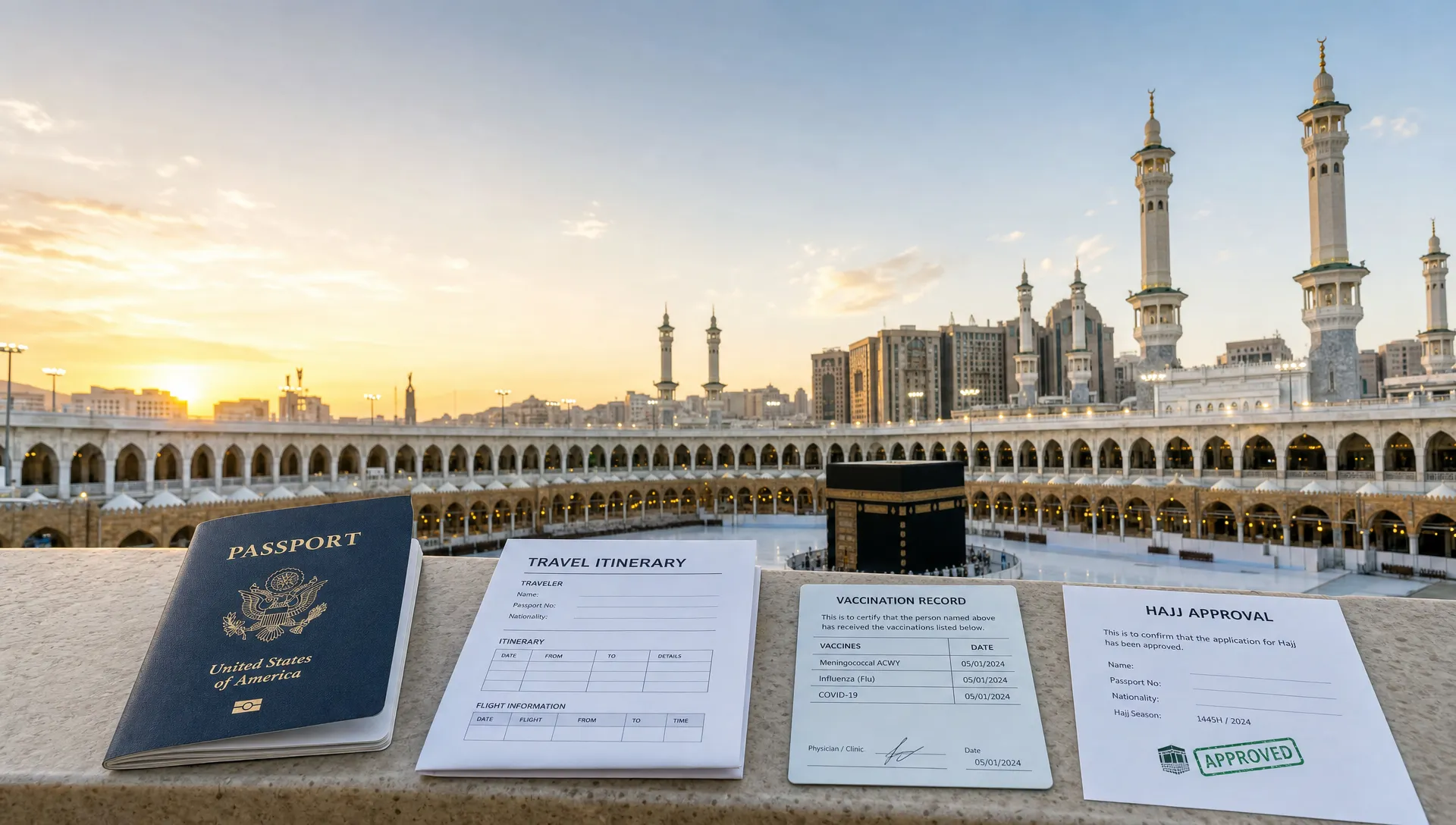
For Hajj 2026, the most important visa rule is also the easiest one to misunderstand: a regular Saudi tourist eVisa or Umrah eVisa is not a Hajj visa. International pilgrims need to follow the official Hajj route for their country, obtain the correct visa or permit, and make sure their travel package, health documents, passport details, and arrival plans all match.
That makes the Hajj eVisa process less like a standard vacation visa and more like a regulated pilgrimage program. Rules can vary by nationality, country of residence, quota allocation, authorized provider, and the latest instructions from Saudi authorities. The safest approach is to prepare early, rely only on official channels, and treat every document detail as mission critical.
Below is a practical 2026 guide to what the Hajj eVisa usually means, how the application flow works, what to prepare, and which mistakes can delay or derail a pilgrimage.
What “Hajj eVisa” Means in 2026
In everyday travel language, people often use “Hajj eVisa” to describe a digital Hajj visa application or an electronically issued Hajj visa. However, Saudi Arabia does not treat Hajj like ordinary tourism. Hajj is subject to a separate pilgrimage framework managed through official platforms, approved travel providers, and annual quotas.
For many international pilgrims, the Hajj application process is linked to an official Hajj package. Depending on your country, this may be handled through the Nusuk Hajj platform, an approved Hajj operator, or another official channel announced for your market. The visa is generally connected to confirmed eligibility and package arrangements rather than a simple standalone application.
The key point is simple: do not assume that any Saudi eVisa lets you perform Hajj. Tourist eVisas may allow tourism and, for eligible travelers, Umrah outside the Hajj season, but they are not valid for Hajj. If your trip purpose is Hajj, you need the Hajj-specific route.
If you are planning Umrah instead of Hajj, the rules are different. SimpleVisa has a separate guide to the Saudi Arabia eVisa for Umrah and tourism that explains how that category works outside the Hajj framework.
Expected Hajj 2026 Timing and Why It Matters
Hajj follows the Islamic lunar calendar, so Gregorian dates shift each year. Hajj 2026 is expected to fall around late May 2026, subject to official moon-sighting confirmation. Because the pilgrimage period is fixed and demand is extremely high, late applications are risky.
In practice, Hajj preparation begins months before travel. Pilgrims may need time to register, verify documents, choose or confirm a package, complete payment, receive visa approval, arrange vaccinations, and align flights with package dates. Travel businesses also need time to answer customer questions and prevent avoidable mistakes before tickets and accommodation become expensive or limited.
For 2026, the best timing principle is: start preparing before applications open, then apply as soon as your official route becomes available. Waiting until the final weeks can create problems if your passport needs renewal, your name does not match across documents, your photo is rejected, or your package category sells out.
Who Can Apply for a Hajj eVisa?
Eligibility depends on the official rules for the 2026 season and the route assigned to your country or residence market. Always verify current instructions through Saudi authorities, your approved provider, or the official platform used in your country.
Generally, international Hajj applicants should expect checks around the following areas:
- Religion and trip purpose: Hajj visas are for Muslim pilgrims traveling specifically to perform Hajj.
- Nationality or residence route: Your application channel may depend on your passport, residency, or the country from which you are applying.
- Passport validity: Many Saudi visa processes require a passport valid for at least six months from the intended entry date, but confirm the exact 2026 requirement.
- Annual quota availability: Hajj participation is managed through country-level allocations and capacity controls.
- Package confirmation: International pilgrims often need to book through an official package or approved provider.
- Health compliance: Required vaccinations and health documentation can vary by origin country and public health guidance.
- Previous Hajj history: Some seasons apply restrictions or prioritization rules for people who have performed Hajj recently.
Saudi residents follow a different route. If you live in Saudi Arabia, you may need a Hajj permit rather than an international Hajj visa. Do not use international pilgrim guidance as a substitute for resident permit rules.
Hajj eVisa vs Umrah eVisa vs Tourist eVisa
Confusing visa categories is one of the most common Hajj planning errors. The table below summarizes the practical differences.
| Visa or route | Main purpose | Can it be used for Hajj? | Typical traveler risk |
|---|---|---|---|
| Hajj visa or official Hajj route | Performing Hajj during the Hajj season | Yes, if issued correctly for Hajj | Applying too late or using an unofficial provider |
| Umrah eVisa or Umrah route | Performing Umrah outside restricted Hajj periods | No | Assuming Umrah permission also covers Hajj |
| Saudi tourist eVisa | Tourism and eligible non-Hajj religious visits | No | Booking flights for Hajj without the correct visa |
| Saudi resident Hajj permit | Hajj for eligible Saudi residents | Yes, for residents with valid permits | Confusing resident permits with international visas |
If you are helping customers with Umrah rather than Hajj, a structured document review can reduce errors. This Umrah e Visa checklist is useful for understanding the level of detail applicants should bring to any Saudi religious travel application, even though Hajj has its own rules.
Documents to Prepare Before the Hajj Application Opens
Because Hajj timelines are tight, pilgrims should prepare core documents before the official registration window becomes active. Requirements can change, so treat the list below as a preparation framework rather than a final authority.
| Document or information | Why it matters | Tip for 2026 applicants |
|---|---|---|
| Valid passport | Used for identity, visa issuance, airline check-in, and border control | Renew early if validity may fall below the requirement |
| Recent passport-style photo | Needed for digital profile and visa processing | Use a clear, compliant image with no shadows or filters |
| Personal details | Must match passport and official records | Check spelling, date of birth, gender, and nationality carefully |
| Contact information | Used for platform notifications and provider communication | Use an email and phone number you can access while traveling |
| Residency document, if applicable | May determine your application route | Confirm whether you apply by nationality or country of residence |
| Vaccination records | Required for pilgrimage health compliance | Check official health rules close to departure |
| Package confirmation | Often linked to visa issuance | Keep booking, payment, and itinerary records together |
| Emergency contact details | Useful for group travel and pilgrim support | Share accurate contact information with family and your provider |
Health rules deserve special attention. Hajj brings together millions of people in a concentrated period, so vaccination and public health requirements are taken seriously. Requirements may include meningococcal vaccination and additional rules for travelers arriving from countries affected by specific diseases. Check official guidance from the Saudi Ministry of Hajj and Umrah and relevant health authorities before departure.
Step-by-Step Hajj eVisa Application Flow
The exact application process depends on your country, but the overall logic is usually similar: confirm the official route, create or verify your profile, choose an approved package, complete payment, and receive visa or permit confirmation.
- Confirm your official application channel: Start by identifying whether your country uses Nusuk Hajj, authorized travel agencies, a government allocation system, or another official route. Avoid social media offers, unofficial agents, and anyone promising guaranteed visas outside approved channels.
- Prepare your applicant profile: Enter your legal name exactly as it appears in your passport. Small differences, such as missing middle names, reversed surname order, or inconsistent transliteration, can create delays.
- Upload documents carefully: Use high-quality scans or photos. Passport pages must be readable, photos must meet the required format, and health documents should be current and complete.
- Select or confirm a Hajj package: For many international pilgrims, visa processing is connected to an official package that includes essential pilgrimage services. Review dates, accommodation, transportation, meal arrangements, and cancellation terms before paying.
- Complete payment only through trusted channels: Use official payment methods and keep receipts. Be cautious of bank transfers to personal accounts or pressure tactics that bypass the official system.
- Wait for visa or permit confirmation: Do not assume that registration alone means you are approved. Make sure you receive the correct visa, permit, or confirmation required for travel.
- Check all issued documents immediately: Verify passport number, name spelling, validity dates, travel dates, and package details. Report errors as soon as possible.
- Carry digital and printed copies: Keep copies of your passport, visa, permit, package confirmation, vaccination record, flight itinerary, and emergency contacts.
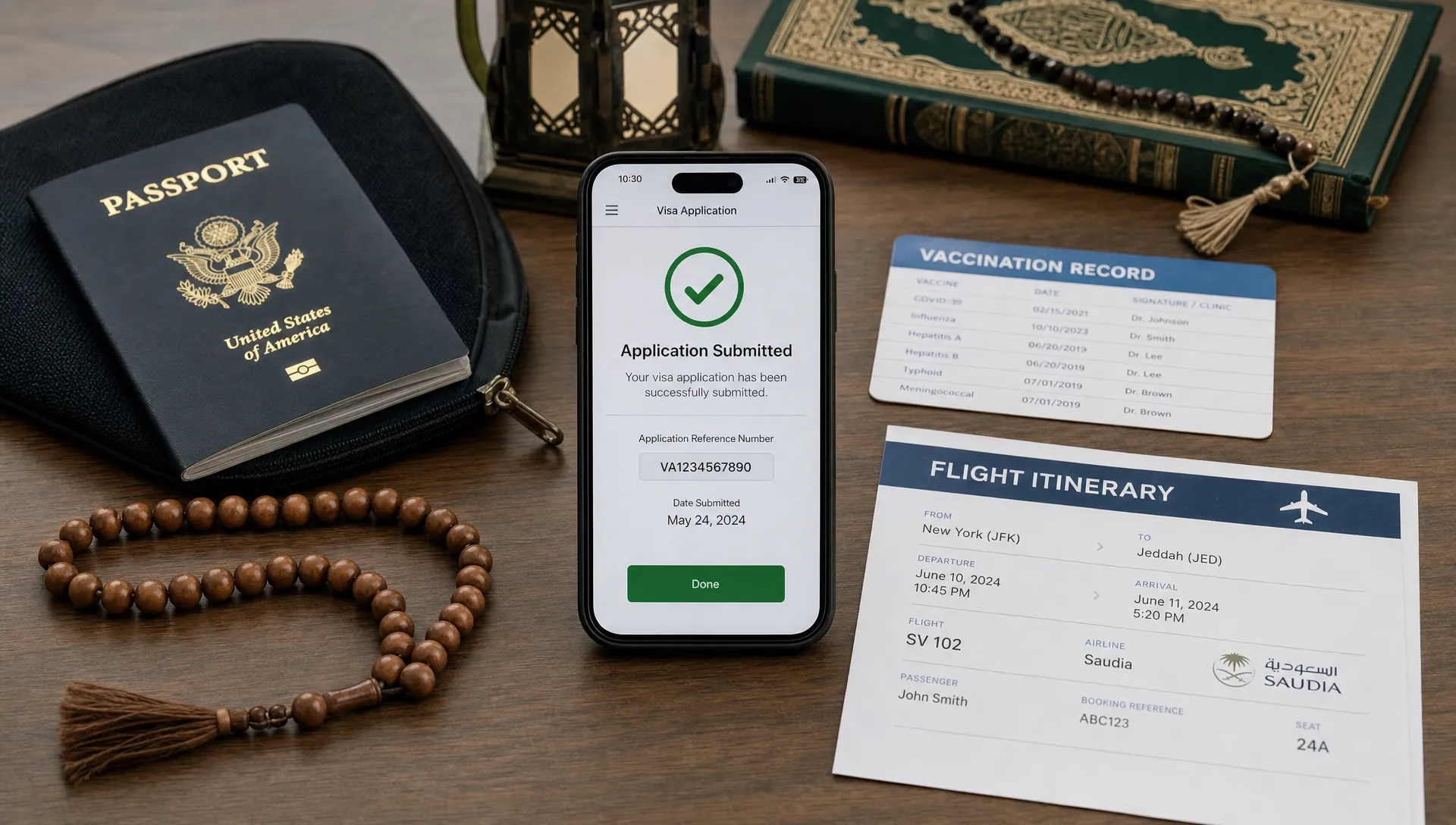
Common Hajj eVisa Mistakes to Avoid
The most damaging Hajj visa mistakes are often simple ones. They happen because travelers rush, rely on secondhand information, or assume the rules are the same as a previous Umrah or tourist trip.
One major mistake is applying for the wrong visa type. A tourist eVisa may be convenient for eligible travelers visiting Saudi Arabia, but it does not authorize Hajj. Airlines, border officers, and Hajj checkpoints can deny travel or access if the visa category does not match the trip purpose.
Another mistake is trusting unofficial sellers. Hajj demand creates opportunities for fraud, especially when package availability becomes limited. Avoid anyone offering “special access,” guaranteed permits without documentation, or prices that seem far below official market rates. Use official platforms and approved providers only.
Data mismatches are also common. If your passport says “Mohamed Ahmed Ali” but your application says “Mohammad A. Ali,” the system or provider may require correction. The same applies to birth dates, passport numbers, and nationality fields. In a time-sensitive Hajj season, a small typo can become a major delay.
Travelers should also avoid booking independent arrangements that conflict with their official package. Hajj packages are often structured around approved transport, accommodation, and movement schedules. If you arrive on the wrong date, stay outside the approved arrangement, or miss group transport, you may create compliance and logistics problems.
Finally, do not ignore health requirements. Vaccination certificates, disease-specific rules, and medical fitness considerations can change. Elderly pilgrims, pregnant travelers, and people with chronic medical conditions should seek medical advice before committing to travel.
Practical Tips for a Smoother 2026 Application
A successful Hajj eVisa process is not just about submitting a form. It is about sequencing every part of the journey correctly.
Start with the passport. If it expires in 2026 or early 2027, check whether renewal is safer before you register. Passport renewal after package booking can complicate the application if your passport number changes.
Use one consistent version of your name. This matters for passports, vaccination records, airline tickets, and Hajj platform profiles. If your name is long or transliterated differently in English, follow the passport exactly.
Keep a single digital folder for all documents. Store clear scans, receipts, official emails, login information, package details, and emergency contacts. Share a backup copy with a trusted family member who is not traveling.
Build buffer time into your travel plan. Hajj is not the time for tight connections, last-minute passport renewal, or same-day arrival assumptions. Flight disruption, health checks, baggage delays, and group coordination can all affect your schedule.
If your journey includes additional travel before or after the pilgrimage, keep those arrangements separate from the Hajj compliance process. For example, some families plan rest time or extended visits in other countries around major religious travel. If your itinerary includes a U.S. stay, curated private-home options like luxury vacation rentals from Lumina can be useful for travelers who want more privacy and space than a standard hotel.
What Travel Businesses Should Know for Hajj 2026
For travel agencies, tour operators, online travel sellers, and airlines, Hajj 2026 creates a high-support customer journey. Travelers may not understand the difference between Saudi visa categories, and many will ask questions before the final rules or quotas are fully visible.
The safest business approach is to guide customers without overpromising. Make it clear when rules are official, when they are pending, and when travelers must use a specific government or authorized channel. Avoid presenting a tourist eVisa as an alternative to a Hajj visa.
Travel businesses should also consider how visa guidance appears inside the booking flow. A customer booking Jeddah or Madinah during the Hajj period may need additional prompts, especially if their trip dates overlap with restricted pilgrimage movement. Clear pre-booking guidance can reduce refund requests, denied boarding, and customer frustration.
This is where visa automation and structured data become valuable. Instead of asking staff to manually interpret every customer scenario, businesses can use visa requirement logic, guided application flows, and white-label tools to deliver more consistent answers. SimpleVisa supports travel businesses with visa processing automation, API integration, white-label visa application options, and data services that help customers understand border requirements before they travel.
FAQ: Hajj eVisa Rules for 2026
Can I use a Saudi tourist eVisa for Hajj in 2026? No. A Saudi tourist eVisa is not valid for Hajj. Hajj requires the official Hajj route for your country, which may involve a Hajj-specific visa, permit, approved package, or authorized platform.
When should I apply for the Hajj eVisa for 2026? Start preparing documents months in advance and apply as soon as your official country route opens. Hajj 2026 is expected around late May, subject to official confirmation, so late applications can be risky.
Is Nusuk Hajj required for everyone? Not necessarily. Nusuk Hajj is used for many international pilgrims, but the correct route depends on nationality, residence, and annual Saudi arrangements. Always verify the official process for your country.
Do I need an approved Hajj package before receiving the visa? In many cases, yes. International Hajj visa issuance is often linked to an official package or approved provider arrangement. Do not assume you can obtain a Hajj visa first and arrange everything independently later.
What happens if my Hajj eVisa details are wrong? Report the issue immediately through the official platform or approved provider. Name, passport number, date of birth, nationality, and validity errors can cause airline check-in or border problems.
Are Hajj health requirements the same every year? No. Some requirements remain common, but health rules can change based on public health conditions and the traveler’s country of origin. Check official vaccination and health guidance close to departure.
Make Hajj Visa Guidance Easier for Your Customers
Hajj travel is deeply meaningful, time-sensitive, and compliance-heavy. For travelers, the right visa route protects the entire pilgrimage. For travel businesses, clear guidance reduces support pressure and helps customers avoid costly mistakes.
If your business sells travel to Saudi Arabia or supports religious travel customers, SimpleVisa can help you simplify visa guidance, automate application flows, and integrate border requirement support into your booking experience. Explore how SimpleVisa can make complex travel administration easier for your team and your customers.