Immigration e Visa Basics Every Traveler Should Know
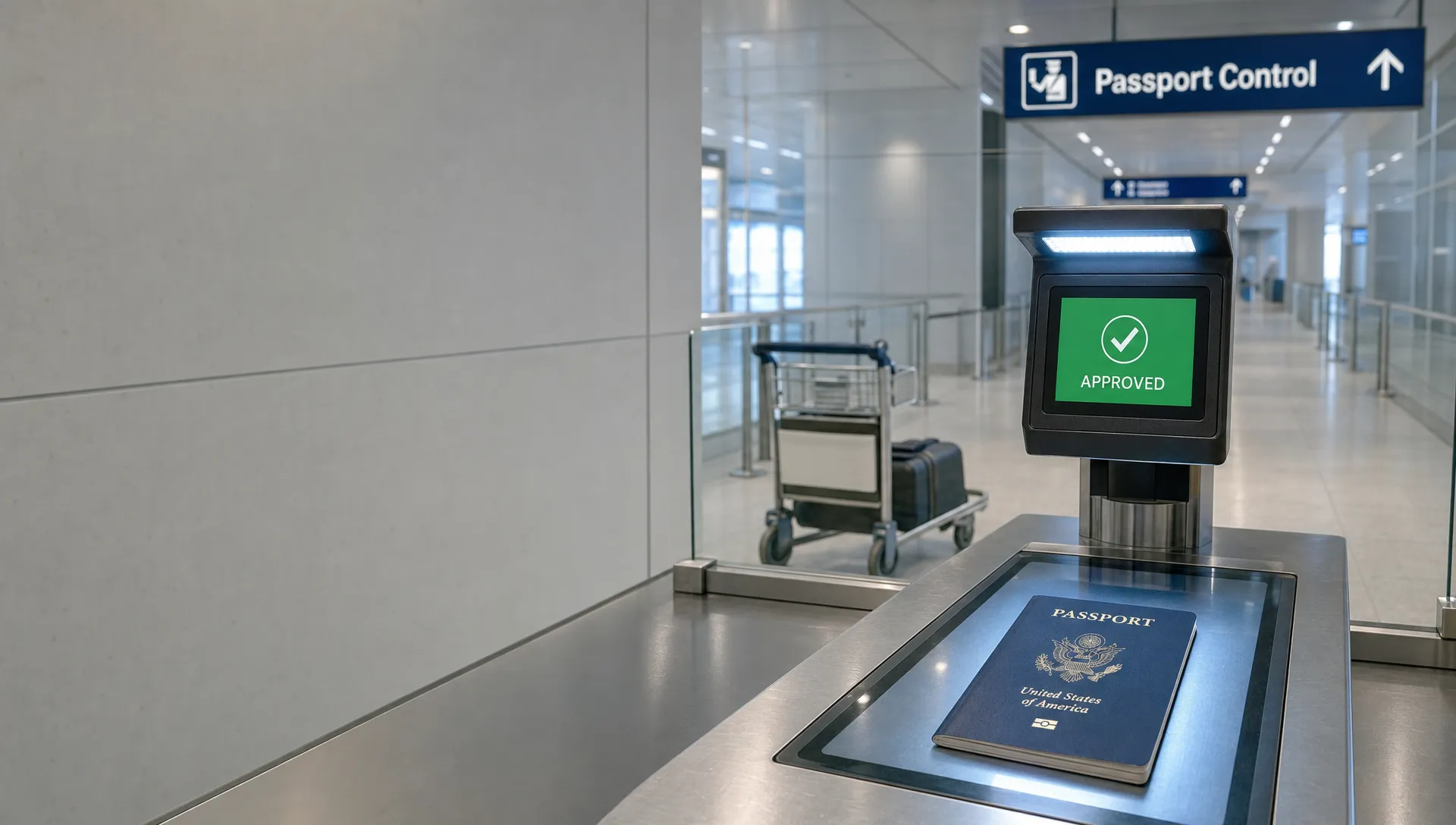
An immigration e Visa can make international travel faster and simpler, but it is not a casual formality. It is an official permission tied to your passport, your itinerary, and the exact reason you are entering a country. If one detail is wrong, you may be delayed at check-in, refused boarding, or turned away at the border.
The good news is that most e Visa problems are preventable. Travelers who understand the basics before they book can avoid rushed applications, document mistakes, and confusion between tourism, business, transit, and work-related travel.
This guide explains what every traveler should know about immigration e Visas, how they differ from other entry permissions, what documents are usually required, and when expert help can save time and stress.
What is an immigration e Visa?
An immigration e Visa, often written as eVisa or e-Visa, is a digital visa issued by a government through an online application process. Instead of visiting a consulate and receiving a physical sticker or stamp in your passport before departure, you apply online, upload documents, pay the required fee, and receive approval electronically.
In many cases, the e Visa is linked to your passport number. You may also receive a PDF approval notice, which you should save and carry during your trip. Airlines, ferry operators, train companies, and border officials may check your approval before you travel or when you arrive.
An e Visa does not always guarantee entry. Like any visa, it gives you permission to travel to a border or port of entry and request admission. The final decision usually remains with immigration authorities.
For a wider overview of visas, eVisas, and electronic travel authorizations, SimpleVisa has a practical primer on travel visa basics before you book.
e Visa vs eTA vs visa on arrival: why the difference matters
Travelers often use “e Visa” to describe any digital border requirement, but immigration systems use different categories. The distinction matters because each permission has different eligibility rules, processing times, fees, and rights of stay.
| Entry permission | What it usually means | Common traveler mistake |
|---|---|---|
| e Visa | A visa applied for and approved online before travel | Assuming approval is instant or automatic |
| eTA or ETA | Electronic travel authorization for visa-exempt travelers | Treating it like a full visa for any purpose |
| Visa on arrival | A visa issued at the border or airport after arrival | Assuming it is available to every nationality |
| Consular visa | A visa issued through an embassy or consulate | Waiting too long when appointments are required |
| Visa-free entry | Permission to enter without applying for a visa in advance | Ignoring stay limits, passport validity, or onward ticket rules |
For example, a traveler may not need a full visa for a short holiday but may still need an electronic travel authorization. Another traveler may qualify for an e Visa for tourism but not for paid work, professional performance, journalism, or long-term study.
The safest approach is to check the official entry rules for your nationality, destination, purpose of travel, transit points, and passport type before paying for flights or accommodation.
Who usually needs an e Visa?
Whether you need an immigration e Visa depends on several factors. Your citizenship is important, but it is only one piece of the decision. Immigration authorities may also consider where you live, where you are traveling from, your passport type, your criminal or immigration history, and your purpose of visit.
You may need an e Visa if you are traveling for:
- Tourism, sightseeing, or visiting friends and family
- Short business meetings, conferences, or trade events
- Medical treatment or wellness travel
- Study programs or short courses
- Transit through a country that requires airside or landside clearance
- Remote work, professional activities, or performances, where permitted under the relevant visa category
That last point is especially important. A traveler attending a music festival as a tourist is different from a DJ, speaker, photographer, or event supplier traveling to provide services. Event professionals may use tools such as an all-in-one platform for event professionals to manage contracts, clients, and payments, but they still need to confirm whether their trip counts as business, work, performance, or tourism under immigration rules.
Documents you may need before applying
Most e Visa applications ask for the same basic categories of information, but the exact requirements vary by country and visa type. Always check the official government portal or use a trusted visa support provider before submitting.
Common requirements include a valid passport, a recent photo, travel dates, accommodation details, proof of onward or return travel, payment information, and an email address for receiving updates. Some destinations may request bank statements, invitation letters, travel insurance, employer letters, proof of event registration, vaccination records, or previous visa history.
The most important document is your passport. It should be valid for the full period required by the destination, which is often several months beyond your planned stay. It should also have enough blank pages if physical stamps are still used on arrival or departure.
If you are unsure what a destination may request, SimpleVisa’s guide to electronic visa requirements explains the usual documents and eligibility checks in more detail.
How the e Visa application process usually works
The process can feel simple because it happens online, but every step matters. A typical immigration e Visa journey looks like this:
- Check eligibility: Confirm that your nationality, passport type, travel purpose, and intended stay qualify for an e Visa.
- Prepare documents: Gather your passport, photo, itinerary, accommodation details, and any supporting evidence required for your visa type.
- Complete the application: Enter your personal information exactly as it appears in your passport.
- Pay the fee: Use an accepted payment method and save the receipt if provided.
- Wait for processing: Processing may be fast, but it can take longer during peak travel periods or if additional checks are required.
- Review the approval: Check your name, passport number, visa validity, permitted stay, number of entries, and travel purpose.
- Carry proof when traveling: Save a digital copy and keep a printed copy in case airline staff or border systems cannot access the approval.
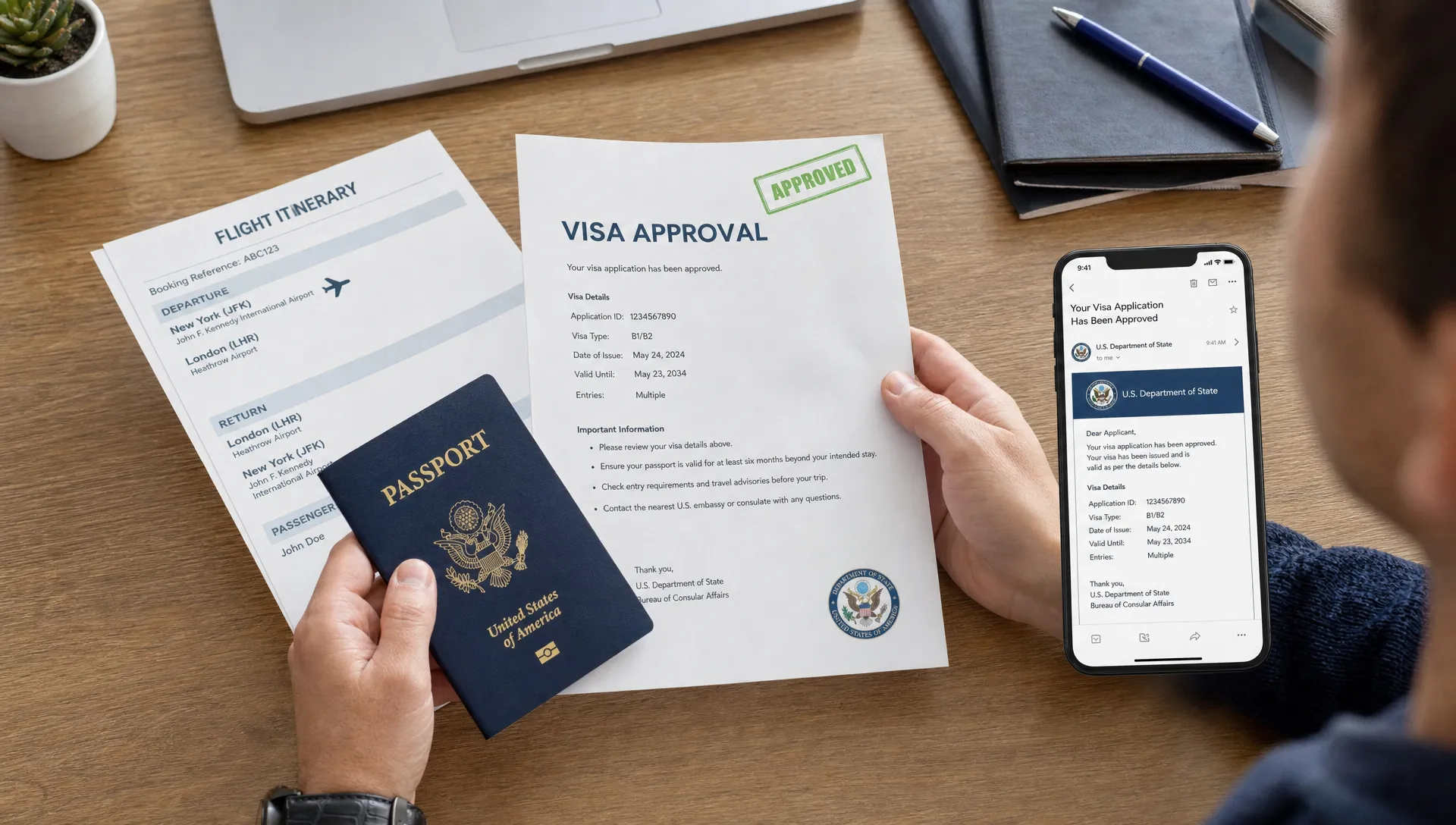
A common mistake is treating approval as the end of the process. After receiving an e Visa, you still need to understand how long you may stay, whether you can enter once or multiple times, and whether your travel purpose is limited.
Timing: when should you apply?
Apply early enough to leave room for delays, but not so early that the visa expires before or during your trip. Many e Visas have a validity window, such as 30, 60, 90, or 180 days from approval or first entry. The allowed stay may be shorter than the validity period.
For example, an e Visa may be valid for 90 days, but only allow a 30-day stay. Another may allow multiple entries during its validity, while a single-entry visa becomes invalid once you leave.
Before applying, confirm:
- The earliest date you can apply
- The average and maximum processing time
- The date your visa validity begins
- The maximum length of stay allowed per entry
- Whether the visa is single-entry or multiple-entry
- Whether extensions are possible after arrival
If your travel includes a cruise, layover, regional tour, or multiple border crossings, timing becomes even more important. A visa that works for one arrival may not cover a second entry after a side trip.
Transit rules are easy to miss
Transit is one of the most overlooked parts of visa planning. Many travelers assume they do not need permission for a country if they are only changing planes. That is not always true.
You may need a transit visa or e Visa if you collect luggage, change airports, pass through immigration, stay overnight, switch from an international to a domestic flight, or transit through a country that requires authorization even for short connections.
Airlines may also deny boarding if your documents do not satisfy the rules for every stop on your itinerary. This is why visa planning should include every border crossing, not just your final destination. SimpleVisa’s article on avoiding transit and entry mistakes is especially useful for complex itineraries.
Common e Visa mistakes to avoid
Most e Visa refusals or travel disruptions come from small errors that could have been caught before submission. The most common problems include misspelled names, wrong passport numbers, expired passports, incorrect travel dates, unclear passport scans, and choosing the wrong visa category.
Another frequent issue is misunderstanding the purpose of travel. Business meetings, paid work, volunteering, studying, and performing may all be treated differently. If the application asks why you are entering, choose the category that accurately describes what you will do, not the category that looks easiest.
Be careful with third-party websites that look official but are not government portals or trusted visa service providers. Some may charge excessive fees, provide outdated information, or submit incomplete applications. When in doubt, compare the information with the destination government’s immigration website.
For a deeper checklist, see SimpleVisa’s guide to common electronic visa application mistakes.
What to check after your e Visa is approved
Do not simply file the approval email away. Open the document and review every detail immediately. If something is wrong, you may need to reapply or contact the issuing authority before departure.
Check the following details carefully:
| Approval detail | Why it matters |
|---|---|
| Full name | Must match your passport exactly, including order and spelling |
| Passport number | A mismatch can make the e Visa invalid |
| Nationality | Some systems issue approvals based on nationality-specific rules |
| Visa category | Determines whether your planned activities are allowed |
| Validity dates | Shows when you may enter or use the visa |
| Duration of stay | Shows how long you can remain after entry |
| Number of entries | Determines whether side trips or re-entry are allowed |
| Port or region restrictions | Some e Visas are valid only at certain airports, seaports, or land borders |
If you renew your passport after approval, your e Visa may no longer be valid because it is linked to the old passport number. Check whether the destination allows you to travel with both passports or requires a new application.
Special situations that deserve extra attention
Some trips are more complicated than a standard holiday. If any of the situations below apply, give yourself more time and consider professional support.
Family travel can be tricky because minors may need birth certificates, parental consent letters, or separate e Visa approvals. Dual nationals should check which passport they must use to enter and exit each country. Travelers with previous overstays, refusals, criminal records, or name changes may face additional questions.
Business travelers should confirm whether their activities are limited to meetings, negotiations, conferences, or training. If they will perform services, receive local payment, install equipment, or manage a local project, a standard business e Visa may not be enough.
Digital nomads and remote workers should be especially careful. Some countries tolerate remote work under tourist status, while others offer specific digital nomad visas or prohibit work-related activity without authorization.
How travel businesses can make e Visa planning easier
For travel agencies, tour operators, airlines, online booking platforms, and corporate travel providers, visa confusion is not just a traveler problem. It can create support tickets, abandoned bookings, missed departures, and unhappy customers.
Embedding clear visa guidance into the booking journey helps travelers understand requirements earlier. It also creates an opportunity to offer visa support as a valuable ancillary service rather than leaving customers to search multiple sources on their own.
SimpleVisa helps travel businesses streamline visa application flows, guide customers through border requirements, and support eVisa management through integrations, white-label options, and data services. The goal is not to make immigration rules look simple when they are not, but to make the process easier to understand and complete correctly.
Frequently Asked Questions
Is an immigration e Visa the same as a regular visa? It is a type of visa, but the application and approval process happens online. The legal effect depends on the destination’s immigration rules, visa category, and conditions of stay.
Can I travel as soon as I submit my e Visa application? Usually no. You should wait until the application is approved and verify that the approval details are correct before traveling.
Do I need to print my e Visa approval? Many e Visas are electronically linked to your passport, but carrying a printed copy is wise. Airline staff, border officers, or technical systems may still ask to see proof.
What happens if I make a mistake on my e Visa application? Some authorities allow corrections, but many require a new application. If the error affects your name, passport number, nationality, or visa category, treat it as urgent.
Can I work with an e Visa? Only if the visa category specifically allows the activity you plan to do. Tourism and short business e Visas usually do not permit local employment or paid work.
Should I apply through a government website or a visa service provider? Official government portals are the source of authority. A reputable visa service provider can help if you want guided support, have a complex itinerary, or need a smoother process through a travel business.
Make immigration e Visa planning part of every trip
An immigration e Visa is designed to simplify travel, but it still requires careful planning. Check the rules before booking, apply under the right category, review your approval, and remember that transit points matter too.
For travel businesses, helping customers manage these details can improve the booking experience and reduce last-minute disruption. SimpleVisa supports travel companies with visa automation, guided applications, and flexible integration options that make border administration easier to handle at scale.