NADRA e Visa Portal: How Pakistan eVisas Work
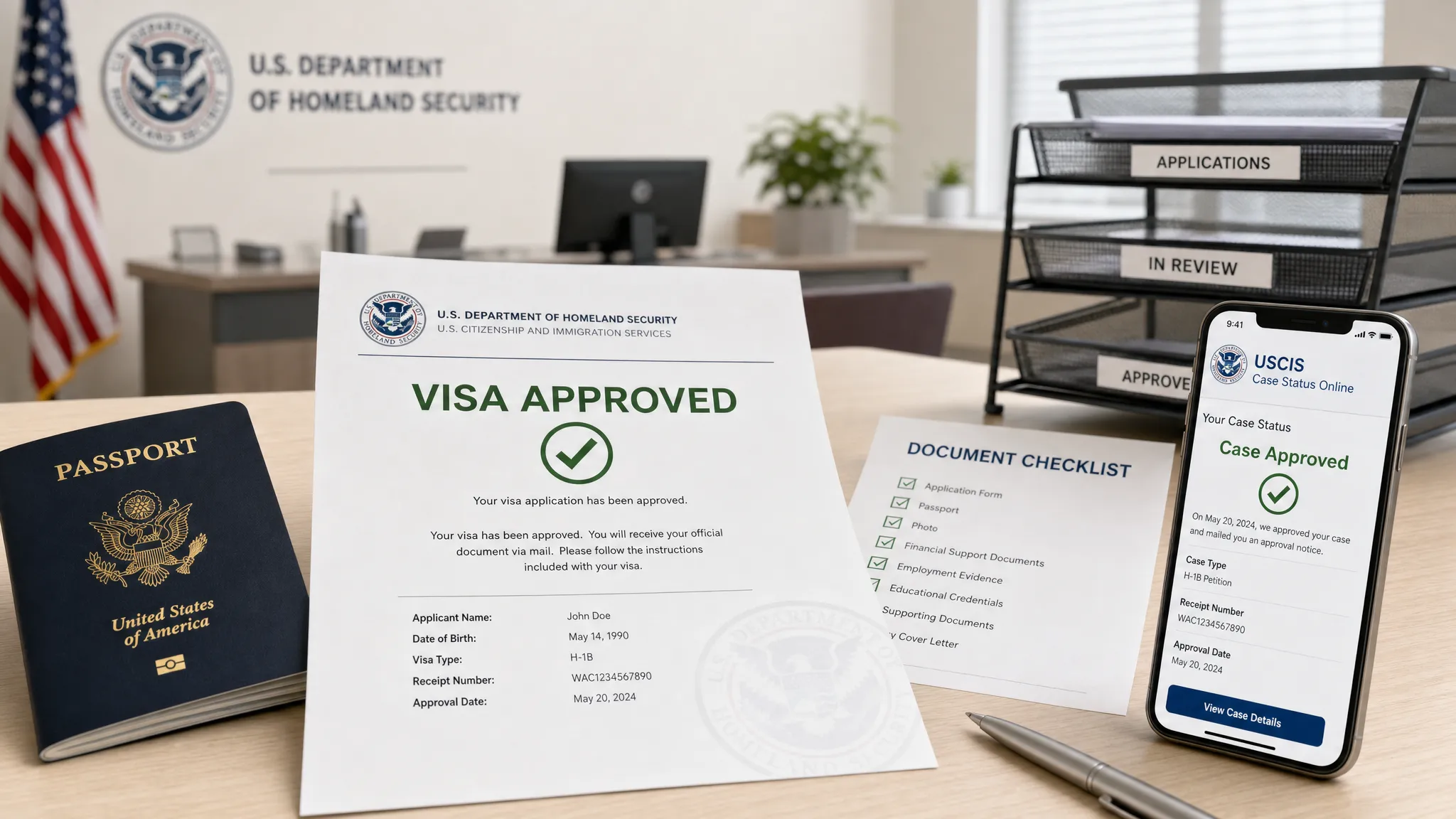
Pakistan’s online visa process has made travel to Pakistan much easier than the old paper-based route, but it still requires careful handling. The NADRA e Visa Portal, officially presented as the Pakistan Online Visa System, is where eligible travelers submit visa applications, upload supporting documents, pay fees, and receive a digital decision.
For travelers, the system reduces embassy visits and paperwork. For travel businesses, it creates a new responsibility: customers expect accurate guidance before they book, not after they discover a border requirement. This guide explains how Pakistan eVisas work, what the portal does, and where delays usually happen.
What is the NADRA e Visa Portal?
The NADRA e Visa Portal is the online application system used for Pakistan visa applications. NADRA, Pakistan’s National Database and Registration Authority, is closely associated with the country’s digital identity and government technology infrastructure. In the travel context, most people use the phrase NADRA e Visa Portal to refer to the official Pakistan Online Visa System.
Through the portal, applicants can create an account, choose a visa category, complete an online form, upload documents, pay the required fee, and track their application. If approved, the traveler receives a digital visa approval or authorization that can be carried for travel.
If you are new to digital travel authorization systems, SimpleVisa’s guide to how an electronic visa works explains the broader concept behind online visa processing.
The key point is simple: the Pakistan eVisa is not a casual travel form. It is an official immigration application, and the information submitted must match the traveler’s passport, travel purpose, and supporting documents.
Who needs to use Pakistan’s online visa system?
Eligibility depends on nationality, visa category, purpose of travel, and sometimes residence status. Pakistan has expanded online visa access over time, but travelers should always verify current eligibility on the official portal before making final travel plans.
Common applicant groups include tourists, business visitors, people visiting family, students, workers, religious travelers, and travelers seeking an extension while in Pakistan. Not every traveler uses the same route. Some apply for an eVisa before travel, while others may use an Electronic Travel Authorization, often linked to visa-on-arrival programs where available.
For travel agencies, tour operators, airlines, and online travel platforms, the practical lesson is to avoid making broad assumptions. Two customers on the same itinerary may have different requirements because they hold different passports or travel for different reasons.
Pakistan eVisa, ETA, and visa on arrival: what is the difference?
Pakistan’s online process can involve different outcomes depending on the traveler’s eligibility and category. These terms are often mixed together, but they are not identical.
| Term | What it usually means | Why it matters |
|---|---|---|
| Pakistan eVisa | A visa application submitted online and approved digitally before travel | The traveler should save and carry the approval document when entering Pakistan |
| Electronic Travel Authorization | A pre-travel authorization used for some visa-on-arrival routes where available | It is not always the same as having a final visa before departure |
| Visa on arrival | A visa issued at the point of entry after pre-authorization, if the traveler qualifies | Travelers should not assume they can arrive without completing the required online step |
| Visa extension | A request submitted by a traveler already in Pakistan who needs more time | This is separate from a first-time entry application |
The border officer still has authority at arrival. An approval notice is important, but it does not remove the need to meet entry conditions, carry valid documents, and answer immigration questions clearly.
How the NADRA e Visa Portal process works
The exact screens and document requirements can change, but the general process follows a predictable sequence.
- Check eligibility and choose the right category: The traveler should start by confirming whether their nationality and travel purpose are eligible for online processing. A tourist trip, business meeting, family visit, study program, or employment assignment may require different documentation.
- Create an online account: Applicants usually need an email address and secure login credentials. This account is used to start the application, receive messages, and check status updates.
- Complete the application form: The portal asks for personal details, passport information, travel dates, address information, and the purpose of travel. Names, dates, passport numbers, and nationality should match the passport exactly.
- Upload supporting documents: The applicant uploads a passport scan, photograph, and category-specific evidence. Document quality matters because blurry files, cropped scans, or inconsistent information can cause delays.
- Pay the visa fee online: Fees depend on visa type, nationality, duration, and other factors. Payment is typically completed through the online system, and a failed or incomplete payment can prevent submission.
- Wait for assessment: Pakistan’s authorities review the application. Some applications are straightforward, while others may require additional checks or more documentation.
- Receive the decision digitally: If approved, the traveler receives a digital visa or authorization through the portal or email. If more information is needed, the applicant must respond within the system.
Travelers should apply with enough time before departure. Online does not always mean instant, especially when public holidays, security checks, missing documents, or high seasonal demand are involved.
Documents travelers may need
Pakistan eVisa requirements vary by category, but most applications depend on a core set of identity, travel, and purpose-of-visit documents. The table below is a practical planning guide, not a replacement for the official portal checklist.
| Document type | Common purpose | Practical tip |
|---|---|---|
| Passport bio page | Confirms identity and nationality | Make sure the scan is clear and the passport is valid for the trip |
| Recent photograph | Used for identity verification | Follow the portal’s photo size, background, and format requirements |
| Travel details | Shows intended dates and itinerary | Avoid submitting dates that conflict with tickets or accommodation |
| Hotel booking or host details | Supports a tourism or visit purpose | Use accurate addresses and contact details |
| Invitation letter | Often relevant for business, family, or hosted visits | The letter should match the applicant’s stated purpose |
| Business documents | Supports meetings, conferences, or commercial visits | Company letters should be specific and consistent |
| Proof of relationship | May be needed for family visits | Names and dates should match official records where possible |
Applicants should avoid uploading altered or low-quality documents. If information changes after submission, such as a new passport or changed travel dates, the traveler should check the portal’s instructions instead of assuming the old approval still fits.
How long does a Pakistan eVisa take?
Processing time depends on the visa category, nationality, document quality, and whether additional review is required. The official portal may show indicative processing information for specific categories, but applicants should treat any estimate as a planning guide rather than a guaranteed deadline.
A traveler with a clean, complete tourist application may have a smoother experience than an applicant with missing documents, unclear host details, or a complex travel history. Business and work-related applications can also require stronger evidence of purpose.
For travel businesses, the safest workflow is to present visa processing as part of pre-trip planning, not as a last-minute add-on. Customers are far less frustrated when they learn about requirements before payment or immediately after booking.
What happens after approval?
After approval, the traveler should download the eVisa or authorization document, save a digital copy, and print a copy for travel. They should check every detail, including name, passport number, nationality, visa category, validity dates, number of entries, and permitted duration.
If anything appears wrong, the traveler should resolve the issue before departure. Airlines and border officers may compare the document against the passport and travel itinerary, so small data errors can create major disruption.
SimpleVisa’s guide to receiving an electronic visa covers the general post-approval steps travelers should follow once a digital visa is issued.
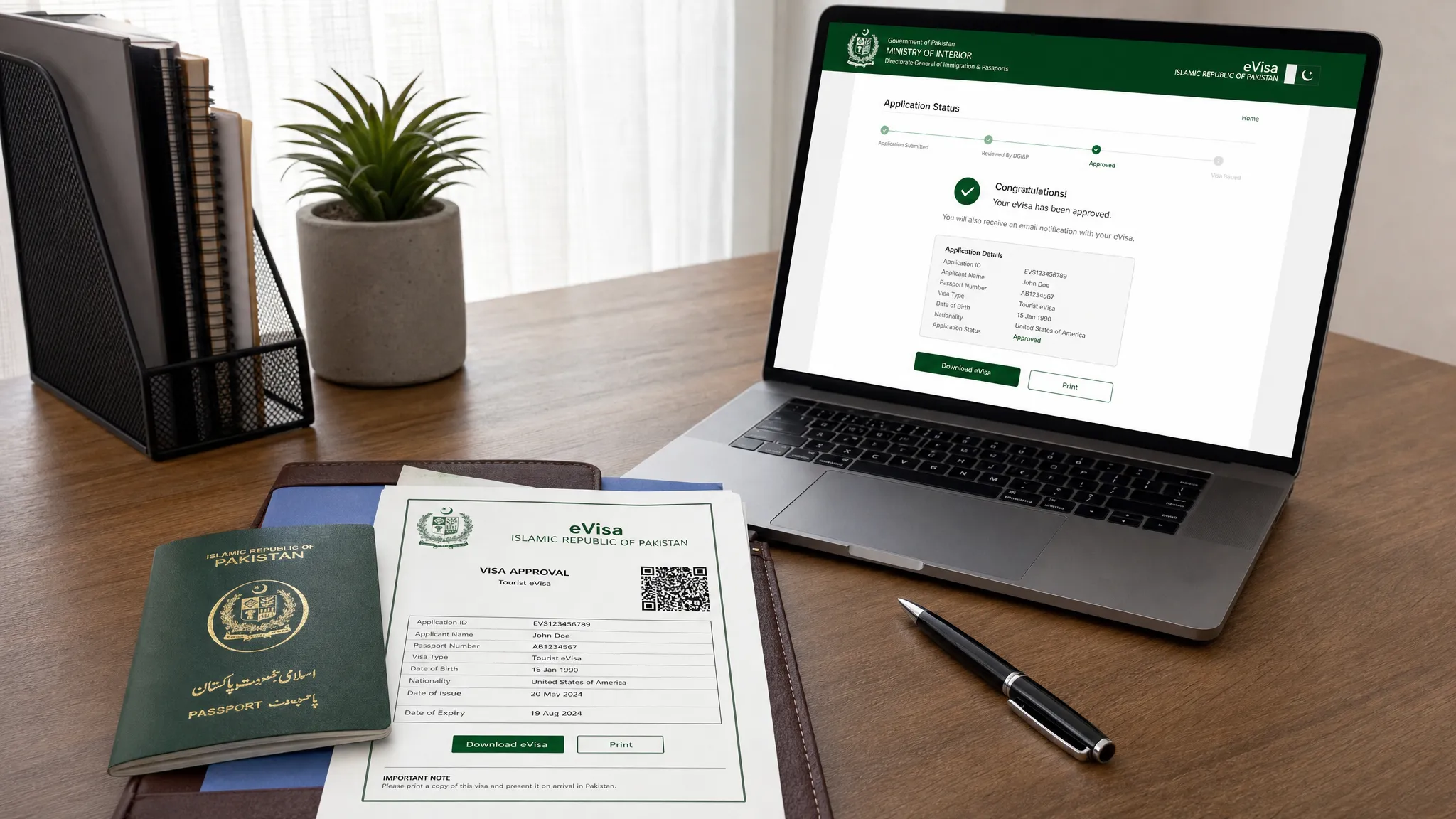
At arrival, the traveler should carry the same passport used in the application. They should also be prepared to show supporting information such as hotel details, host contact information, return or onward travel, or business meeting evidence if asked.
Common mistakes that delay Pakistan eVisa applications
Most avoidable problems come from inconsistent information or poor document preparation. The portal may be digital, but the review is still based on evidence.
- Selecting the wrong visa category for the trip purpose
- Entering a passport number, name, or date of birth incorrectly
- Uploading a blurry passport scan or photo that does not meet specifications
- Submitting an invitation letter that does not match the itinerary
- Using a business visa category for a trip that looks like tourism, or the reverse
- Waiting until the final days before departure to apply
- Ignoring portal messages requesting additional information
- Assuming an ETA, eVisa, and visa on arrival are interchangeable
Travelers should keep the email address used for the application active and monitored. If the portal sends a request for additional information, delayed responses can extend the timeline.
How travel businesses should handle Pakistan eVisa guidance
Pakistan is a good example of why visa information should be built into the travel journey. A customer may book a flight, hotel, and tour package in minutes, but visa requirements can depend on nationality, purpose, trip length, and route. If that information appears too late, it can increase cancellations, support requests, and customer dissatisfaction.
A strong operational flow includes early eligibility screening, clear document guidance, secure data handling, and timely reminders. Travel sellers should also distinguish between giving general guidance and submitting an application on the traveler’s behalf, since consent and data protection obligations become more important when passport details and identity documents are involved.
| Traveler need | Travel business response |
|---|---|
| Know whether a visa is needed | Ask nationality, residence, destination, purpose, and travel dates early |
| Understand which route applies | Explain eVisa, ETA, visa on arrival, or other applicable process clearly |
| Prepare the right documents | Provide category-specific checklists and quality requirements |
| Avoid last-minute problems | Trigger reminders well before departure |
| Track progress | Encourage customers to monitor messages and keep approval documents accessible |
For online travel platforms, integrating visa logic into the booking flow can reduce friction. SimpleVisa explains this technical approach in its article on how eVisa APIs work step by step, including how travel sites can retrieve requirements and guide customers through digital visa processes.
Security and privacy considerations
Pakistan eVisa applications involve sensitive personal data, including passport details, travel plans, photos, family information, and sometimes employment or business records. Travelers should use the official portal or a trusted service provider, avoid unofficial lookalike websites, and be cautious about sharing documents through unsecured channels.
Travel businesses should apply the same discipline they use for payments and personal data. That means collecting only what is needed, storing documents securely, limiting staff access, and making sure customers understand how their information will be used.
It is also wise to warn customers that unofficial sites may charge extra service fees or present outdated requirements. Third-party assistance can be useful, especially for complex travel flows, but travelers should know whether they are applying through the official portal directly or receiving paid application support.
Frequently Asked Questions
Is the NADRA e Visa Portal the official place to apply for a Pakistan eVisa? The phrase NADRA e Visa Portal usually refers to Pakistan’s official online visa system at visa.nadra.gov.pk. Travelers should always verify they are using the official portal or a trusted service provider.
Do all travelers to Pakistan need an eVisa? Not necessarily. Requirements depend on nationality, travel purpose, and visa category. Some travelers may be eligible for an eVisa, some for an ETA-linked visa-on-arrival route, and others may need a different process.
Can a traveler enter Pakistan with only an ETA? An ETA is a pre-travel authorization used in specific visa-on-arrival scenarios where available. Travelers should read the approval carefully and understand whether they already have an eVisa or must complete arrival formalities.
What should travelers do if their Pakistan eVisa has incorrect details? They should check the official portal’s instructions and resolve the issue before departure. Name, passport number, nationality, validity, and visa category should match the traveler’s documents and plans.
Can travel agencies submit Pakistan eVisa applications for customers? They may be able to assist customers, but they should obtain consent, handle data securely, and avoid promising approval. Immigration authorities make the final decision.
Make Pakistan visa guidance simpler for your travelers
The NADRA e Visa Portal has made Pakistan visa applications more accessible, but travelers still need accurate information, complete documents, and enough time. For travel businesses, that creates an opportunity to improve the customer experience while reducing avoidable support issues.
SimpleVisa helps travel businesses simplify border-crossing administration through visa processing automation, API integration, white-label application flows, and custom data services. If your customers book Pakistan travel, visa guidance should not be an afterthought. It should be part of the journey from the moment they plan the trip.