Travel From the US: Transit Visa Traps to Avoid
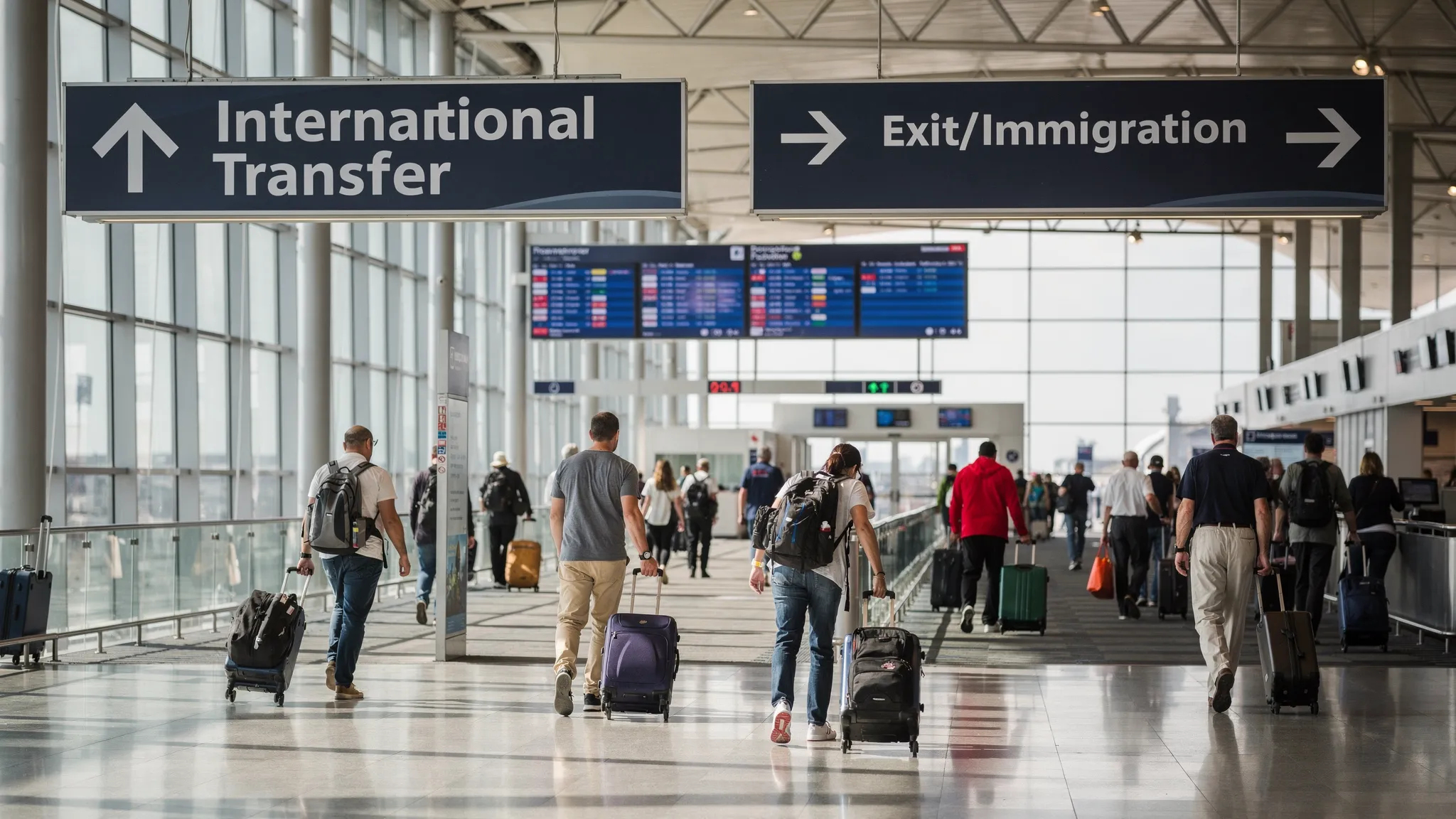
Missing a transit visa can derail a trip before it ever takes off. Airlines check your transit permissions at check‑in using industry databases, and if the rules say you need a visa or pre‑authorization for that connection, you will be denied boarding. As of December 2025, new digital permits and evolving airport policies make it even more important to understand exactly what counts as “transit,” and when a quick layover silently turns into an entry that needs a visa.
Airside vs. landside, the 60‑second test
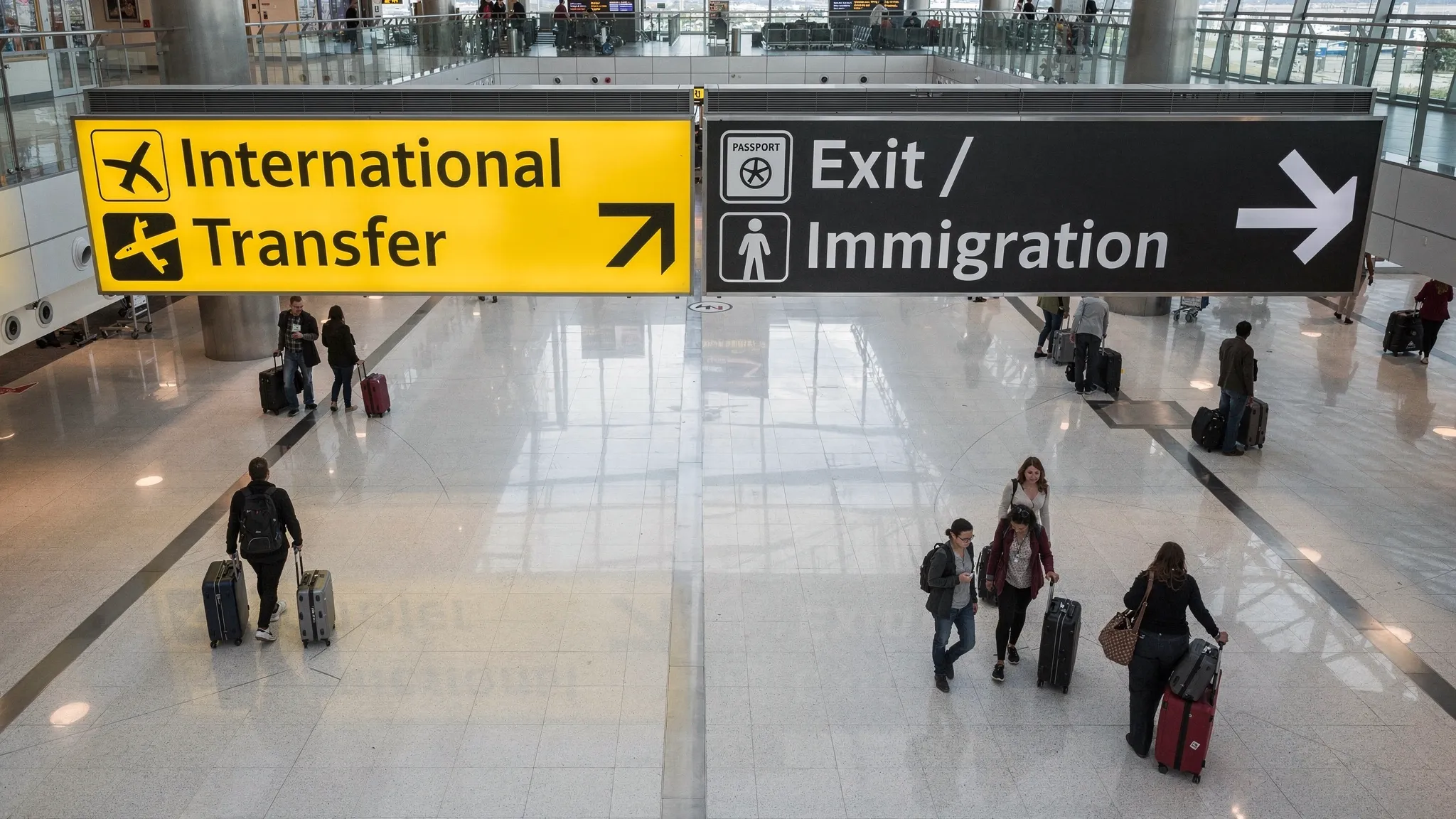
A true airside connection keeps you within the airport’s secure international transit area. You do not pass immigration, you do not reclaim checked bags, and you stay on one ticket through to your final destination. Many travelers from the United States assume every connection works this way. It does not.
Ask yourself before you book:
- Will I need to collect and recheck my luggage, or switch terminals that require immigration? If yes, you will go landside and local entry rules apply.
- Am I on separate tickets or low‑cost carriers that do not interline bags? Separate tickets often force a landside entry.
- Is the airport’s transit area open overnight? Some close at night, which forces an entry for long layovers.
- Am I changing airports within a city? City transfers usually require entering the country first.
If any answer is yes, treat your connection like an entry and check visa rules accordingly.
9 transit visa traps to avoid when you travel from the US
-
Assuming a US passport or residency always exempts you. Many hubs do not require airside transit visas for US citizens, however rules vary by country and airport. If your connection becomes landside, normal entry rules apply and you may need an eVisa, eTA, or visa on arrival.
-
Confusing eTAs and eVisas with transit exemptions. Some countries require a pre‑authorization even for airside connections for certain nationalities, while others require an eTA only if you pass immigration. Canada’s eTA and the UK’s transit visa regime are frequent sources of confusion. Always check the route, the airport, and your passport conditions together.
-
Booking separate tickets. Split itineraries are the number one reason a “no visa needed” connection becomes a “visa required” entry. Without through‑check of bags, you must clear immigration to collect and recheck luggage.
-
Overnight layovers in airports that close the transit area. Many airports close parts of the sterile zone at night. If your layover spans a closure window, you may have to enter the country, which can require a visa you did not plan for.
-
Airport changes in multi‑airport cities. Connections like London Heathrow to London Gatwick or Paris CDG to ORY require entering the UK or France. Treat these as entries, not transits.
-
Relying on “transit without visa” programs without meeting every condition. Examples include the UK’s transit visa exemptions, Canada’s specific programs, and China’s 24 to 144 hour visa‑free transit at designated airports. These have strict airline, ticketing, airport, and routing rules. A small deviation can void eligibility.
-
Ignoring passport validity and damaged documents. Even for airside transits, airlines can refuse boarding if your passport is near expiry or damaged. A six‑month validity buffer and a machine‑readable, undamaged passport are prudent.
-
Mixed‑passport groups. Families and colleagues often assume everyone has the same permissions. Dual citizens, permanent residents, and different nationalities within a group can face different transit rules. Check each traveler separately.
-
Turning a transit into a mini city break without paperwork. Airport hotels, city tours, or collecting duty‑free at landside shops can be great, however walking out of the secure area typically requires a visa or pre‑authorization. Some hubs sell stopover visas or short permits, which must be arranged in advance.
Quick pre‑booking checklist
Before you lock in a connection, run this fast audit:
- Confirm whether your bags are checked through on one ticket and whether you will remain airside.
- Check the airport’s transit policy and overnight hours for your exact terminal.
- Verify visa or eTA rules for your nationality, your route, and whether you will enter the country.
- Avoid airport changes, short minimum connection times, and separate tickets on long hauls.
- If you are planning a stopover, research whether a stopover visa or short eVisa is available for your dates.
- Keep at least six months of passport validity beyond your return date.
For a deeper planning workflow, see our pre‑booking guide, My Travel Visa Planner, and the primer Visa Policy 101.
Transit hotspots to double‑check
| Region or program | When you might need more than simple transit | Common missteps |
|---|---|---|
| United Kingdom (airport transit and DATV rules) | Certain nationalities need a transit visa unless they meet exemptions. Landside transfers or airport changes are entries. | Assuming all passports are exempt, confusing visa exemptions for those with US visas or resident cards, booking Heathrow to Gatwick transfers. |
| Canada (eTA, TWOV) | Many visa‑exempt nationalities need an eTA for air transits. Some visa‑required travelers may qualify for limited programs. | Thinking an eTA is never needed for transits, failing to use eligible airlines or routings for special programs. |
| Schengen Area (ATV, ETIAS coming) | A few nationalities need Airport Transit Visas at specific countries. If you exit airside or connect to a Schengen domestic leg, you are entering Schengen. | Assuming all Schengen airports have the same rules, misunderstanding that ETIAS will be required for entries once operational but generally not for pure airside transits. |
| China (24–144 hour visa‑free transit) | Available at designated cities with strict onward‑to‑third‑country rules. Landside allowed within defined regions. | Booking round trips instead of a third‑country onward, arriving at a non‑participating airport, changing plans after arrival. |
| Australia (ETA or Transit Visa) | Many travelers need an ETA to enter, others require a transit visa even if not leaving the airport. | Expecting to remain airside on long connections when the transit area closes at night, not arranging the proper permit in advance. |
| Gulf hubs (UAE, Qatar, Saudi) | Often liberal for airside transit. Stopover programs or short visas may permit brief entries. | Assuming discontinued or changed transit‑visa options still apply, not pre‑arranging a stopover visa when leaving airside. |
| South Africa | Some nationalities require a transit visa, and airport policies vary by terminal and time. | Not accounting for minors’ documentation when going landside, booking separate tickets that force entry. |
Policies change frequently, so verify requirements for your exact passport, airport, airline, and time of day.
Already booked and just discovered you need a transit visa?
- Ask your airline to reissue on a single ticket and check bags through. This can convert a landside transfer into airside.
- Reroute via a hub where you do not need a transit visa for your passport. This is often faster than securing a last‑minute visa.
- Apply for the correct transit eVisa or stopover permit. Many are issued quickly when documents are in order.
- Move to a longer connection that keeps you airside during open hours. Avoid overnight closures of transit areas.
- Use the same airport throughout or change to a same‑terminal connection to avoid immigration.
If you are unsure where to start, our guide to Visa Online: Trusted Ways to Apply and Track explains safe application channels and verification steps.
Smart stopovers, health, and jet lag
Long itineraries can tempt you to plan a short city visit during a connection. If your stopover is in the United States before an international long haul, or you book an overnight layover in a US hub like Austin, consider simple recovery tactics like hydration, light movement, and adequate sleep. Some travelers opt for services such as premium mobile IV therapy in Austin to help manage dehydration or fatigue during extended travel days, especially before or after long flights. Always consult a medical professional to decide what is right for you.
What travel businesses should do in 2025
Airlines, OTAs, and TMCs can prevent costly denied boardings and unlock new ancillary revenue by making transit checks a first‑class citizen in the booking flow:
- Surface transit rules alongside fare options and connection times.
- Flag self‑transfers, airport changes, and overnight closures early.
- Offer in‑flow purchase of required eVisas or stopover permits where available.
- Send proactive post‑booking reminders when conditions change.
SimpleVisa integrates via API, a no‑code widget, or a white‑label app to place eligibility checks and guided applications directly in your path‑to‑purchase. That means fewer surprises at the gate and a better traveler experience.
Frequently Asked Questions
Do US citizens ever need a transit visa for Europe? Usually no for pure airside transit, however rules are set country by country and airport by airport. If you exit the secure area or connect to a domestic Schengen flight, you are entering Schengen and normal entry rules apply.
Will ETIAS be required for an airport transit in the Schengen Area? ETIAS is designed for visa‑exempt travelers entering the Schengen Area. Pure airside transits typically do not require ETIAS, but if your connection requires you to pass immigration, you will need it once ETIAS is operational. Always check your exact route.
I have separate tickets, do I need a transit visa? Separate tickets often force you to collect and recheck bags, which means passing immigration. Treat this as an entry and check visa rules for your passport.
Do I need a visa to change airports in a city like London or Paris? Yes, changing airports is an entry. Verify whether a transit visa or full visa is required for your nationality.
Does holding a valid US visa or green card help with transit elsewhere? In some countries, yes. The UK transit regime and certain Schengen airport transit rules include exemptions for travelers with valid US visas or residence permits. Check the specific exemption language before you travel.
Can a misconnection force me to enter a country even if I planned to stay airside? It can. If the last flight of the day cancels, if the transit area closes overnight, or if your airline cannot transfer bags, you may need to go landside. Having the correct authorization as a backup can prevent a trip disruption.
Where can I reliably check transit rules? Your airline checks industry databases at check‑in, so match their view. Use official government sources and trusted platforms that keep rules current. For a structured approach, see Visa Policy 101.
Make transit simple, and make it pay for you
Whether you are a traveler planning a multi‑stop itinerary or a travel brand selling complex routings, the fastest way to de‑risk connections is to check transit rules when you shop, not at the airport door. SimpleVisa can surface eligibility, collect documents, and submit required eVisas directly inside your booking flow. You can go live with a no‑code widget or a white‑label app, or build a deeper integration with our API, and join hundreds of partners already reducing support tickets and unlocking ancillary revenue.
Ready to remove the guesswork from transit visas and protect your customers at the same time? Visit simplevisa.com to get started or request a demo today.