Travel To and From US: Visa and Transit Rules
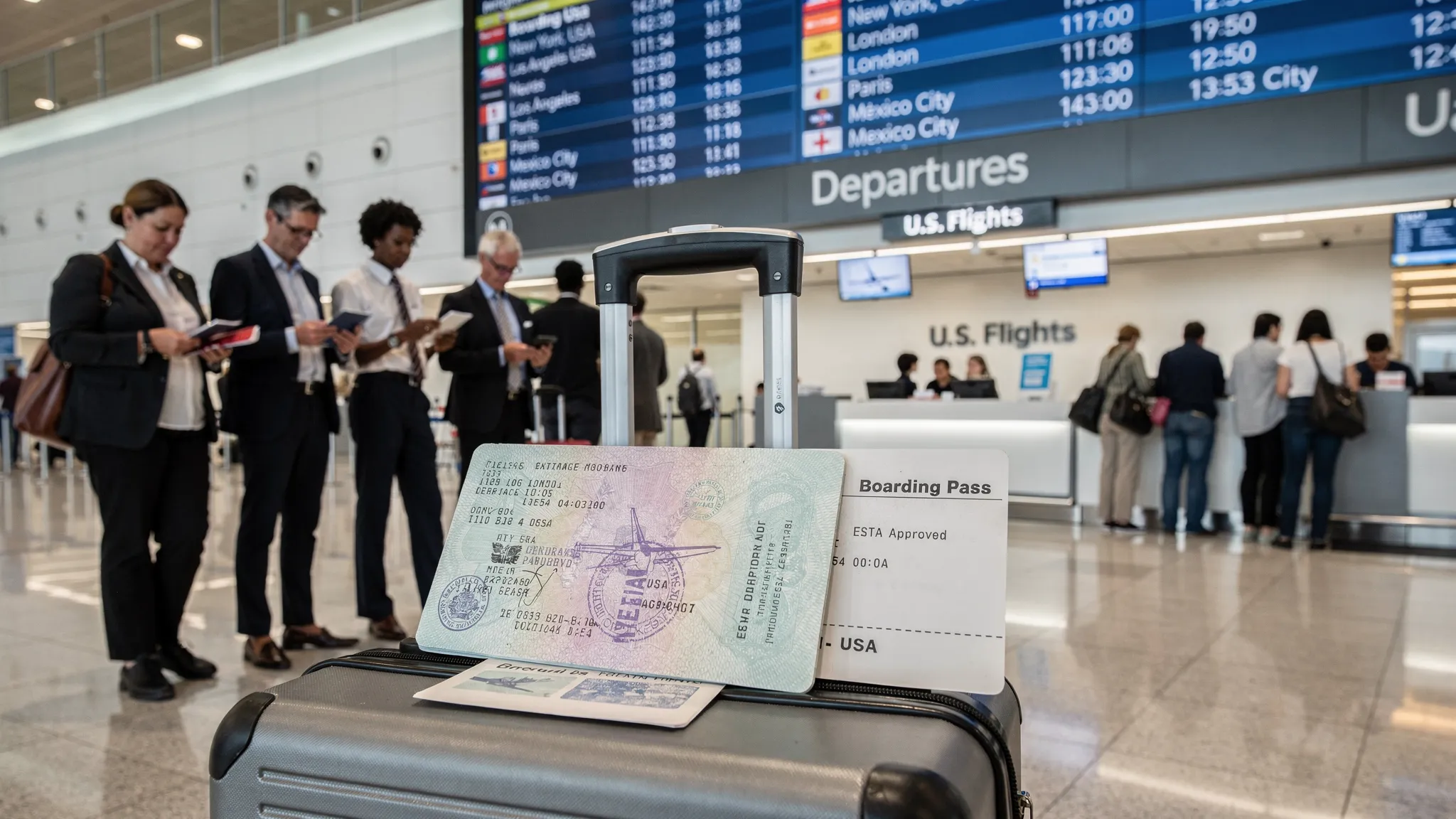
Choosing the right visa or travel authorization for trips that touch the United States can be confusing, especially when itineraries include connections, land borders, or open‑jaw returns. This guide distills what you need to know in 2026 to travel to the U.S., transit through a U.S. airport, or depart the U.S. for other countries with confidence.

At a glance: travel to, through, and from the U.S.
- Entering the U.S.: Most short‑stay visitors either use the Visa Waiver Program with ESTA or apply for a B‑1/B‑2 visa. Certain nationalities and travel histories are ineligible for ESTA and must use a visa.
- Transiting the U.S.: There is no true airside transit. Everyone is inspected by U.S. Customs and Border Protection. You need an approved ESTA or a C‑1 transit visa before you board.
- Leaving the U.S.: Requirements depend on your destination and passport. Many trips are visa free for U.S. citizens, but some popular routes now require pre‑travel approvals like ETIAS for the Schengen Area or the UK ETA.
For complex, multi‑country journeys, build your plan around the strictest segment, then verify each stopover’s rules. If you want a fast automated check across all legs, try SimpleVisa’s eligibility engine inside partner booking flows or its white‑label app.
Entering the United States: who needs what
Visa Waiver Program and ESTA
Nationals of Visa Waiver Program countries can visit the U.S. for tourism or business for up to 90 days with an approved ESTA. Apply at least 72 hours before departure on the official ESTA site. Airlines usually verify ESTA before boarding. Be prepared to show an onward or return ticket and sufficient funds at check‑in and to CBP on arrival.
Important notes in 2026:
- Eligibility can be affected by past travel to certain countries or specific security designations. If in doubt, check the fine print on the DHS and CBP portals before you buy tickets.
- ESTA is generally valid for two years or until your passport expires, whichever comes first, and it must match the passport you travel with.
- ESTA is required for air, sea, and, in most cases, land entries by VWP travelers. See CBP guidance if you plan to cross by car or bus.
Learn more: SimpleVisa’s quick primer, “US eVisa Guide: Eligibility, Fees, and Timelines,” explains typical requirements and processing times.
When you need a visa instead
If you are not eligible for VWP or your trip purpose is not tourism or short business, apply for the appropriate nonimmigrant visa, commonly B‑1/B‑2 for visits. Start on the U.S. Department of State portal for forms, fees, and interview scheduling. Official overview: U.S. visas.
Canadian citizens, lawful permanent residents, and others
- Canadian citizens generally do not need a visa for short visits for business or tourism and do not use ESTA. Exceptions exist, for example certain work or study activities.
- U.S. lawful permanent residents return with a valid Green Card. Airlines may also ask for a valid passport from your nationality. Verify I‑94 details after entry at the CBP I‑94 site.
- Mexican nationals may use a Border Crossing Card for certain short visits near the border or a standard visa for broader travel. Check the specific rules that apply to your trip purpose.
Passport validity
Some countries require that your passport be valid for six months beyond your intended stay. The U.S. participates in the “Six Month Club,” which relaxes this for certain nationalities. Always confirm your situation on the State Department’s guidance for passport validity before you travel.
Transiting through the United States
There is no sterile international transit in U.S. airports. If your itinerary connects in the U.S., you will go through immigration and customs, then re‑clear security to board your onward flight. This has three practical consequences:
- You need authorization before boarding your first flight to the U.S., even if you never leave the airport. VWP travelers use ESTA. Others typically need a C‑1 transit visa. Official overview: Transit visas.
- Plan extra connection time for passport inspection, baggage claim, customs, and re‑check. Minimums vary by airport and time of day. Two to three hours is a safer window for most long‑haul connections.
- Preclearance changes the flow. If you depart from a CBP preclearance airport, for example in Canada, Ireland, or Abu Dhabi, you complete all U.S. entry checks before takeoff. On landing in the U.S. you arrive as a domestic passenger. Learn more: CBP Preclearance.
For more routing tips, see SimpleVisa’s “Top Airports with Strict Transit Rules in 2025, and How to Route Around Them.”
Leaving the United States: popular destinations and what to check
Rules below describe typical short‑stay requirements for travelers using a U.S. passport. Always verify your specific itinerary and personal circumstances. If you hold another passport or U.S. immigration status, scroll to the section on reentry planning.
| Destination or route | Typical pre‑travel authorization for U.S. citizens | When to apply | Key gotchas |
|---|---|---|---|
| Schengen Area (most of Europe) | ETIAS electronic authorization, planned phased launch, check timeline | Apply several days before departure once live | 90 days in any 180 days limit still applies, separate national visas still needed for work or study. Official info: ETIAS. |
| United Kingdom | UK ETA is expanding to more nationalities, check if U.S. citizens require it for your dates | Apply at least 72 hours before travel once required | Passport must be valid for the entire stay, prior immigration issues can trigger manual review. Official info: UK ETA. |
| Canada | No eTA needed for U.S. citizens, bring a valid passport | N, A | eTA is required for many non‑U.S. nationals flying to Canada. By land or sea, eTA does not apply. Official info: Canada eTA. |
| Mexico | Tourist card FMM usually required, issued online or on arrival | Complete before travel or in‑flight/on arrival | Airlines may collect fees, entry rules vary by port. Check State Department country page for updates. |
| Australia | Electronic Travel Authority (ETA) via official app | A few days before travel | Use the official channel, ensure passport data matches exactly. |
| India | e‑Visa required for most short trips | One to four weeks before travel | Photo and passport scan must meet specs, verify port of entry eligibility. |
Notes:
- Many Caribbean and Latin American countries are visa free for short visits by U.S. citizens, but some now require electronic authorizations or arrival forms. Always confirm entry, transit, and health requirements prior to purchase.
- Airlines can deny boarding if your passport is near expiry even if the destination technically allows it. Aim for at least six months of validity to avoid surprises.
For a holistic pre‑booking checklist that covers visas, transits, and proof documents, see SimpleVisa’s “My Travel Visa Planner: Pre‑Booking Checklist.”
If you are departing the U.S. on a foreign passport: plan your return
- Keep your U.S. entry authorization valid for the return leg. VWP travelers need a still‑valid ESTA tied to the same passport. Visa holders should ensure their visa and status allow reentry.
- Automatic visa revalidation may help certain nonimmigrant visa holders who take short trips to Canada or Mexico. If you have an expired U.S. visa but a valid I‑94 status and you meet specific conditions, you may be able to reenter without a new visa. Read the official CBP brochure and eligibility criteria for automatic revalidation and speak to your company or school’s immigration advisor before travel.
- U.S. lawful permanent residents should carry a valid Green Card and check airline document rules for boarding. Extended absences can complicate reentry and may require prior planning.
Land borders and cruises
- Entering by land from Canada or Mexico often follows similar eligibility rules, but document checks and processes differ from airports. VWP travelers generally need ESTA. Border wait times and fee collection can vary.
- Cruises that stop at U.S. ports treat you as an arriving passenger at the first U.S. call. You will need the same authorization you would need if flying to that port. Verify visa requirements for every port on the itinerary.
Common pitfalls and how to avoid them
- One itinerary, multiple rules. A legal entry to your final destination does not automatically cover a U.S. connection, and vice versa. Check every leg and airport.
- Name or passport number mismatches. All travel authorizations must match your machine‑readable passport line exactly. If you renew your passport, update your authorization before travel. See SimpleVisa’s guide to handling name mismatches.
- One‑way tickets on ESTA. You can be asked to prove strong ties and onward plans. If you do not have a return ticket, bring proof of onward travel and funds. Final admission is decided by CBP at the port of entry.
- Last‑minute policy changes. Fees, forms, and eligibility shift over time. Rely on official portals for the latest: ESTA, U.S. visas, ETIAS, UK ETA.
A 5‑minute planning workflow
- Map every touchpoint. List each country and airport you enter or transit, including land and sea crossings.
- Check passport validity. Aim for six months beyond your last exit date. Replace damaged passports early.
- Verify entry and transit rules per leg. Note whether you need an eVisa, ETA, or a full visa, and the earliest application window.
- Sequence applications. Submit quick authorizations first, then longer visas. Put reminders at 72 hours and T‑7 days for status checks.
- Save copies and sync. Store PDFs and confirmations offline, and keep a printed backup in your carry‑on.
If you prefer an automated route, SimpleVisa can surface requirements and complete guided applications inside booking flows or via a branded portal, with no code required.
What changed recently, and what to watch in 2026
- U.S. ESTA screening rules continue to evolve, especially around specific travel histories and data verification. Apply early and avoid typos to prevent automated holds.
- The European Union’s ETIAS is in phased rollout. Confirm go‑live dates and your eligibility before buying nonrefundable fares.
- The UK is expanding ETA coverage to more visa‑exempt nationalities. Check whether you need it for trips after your ticketed date.
- Several countries popular with U.S. travelers are expanding or reintroducing electronic visas. Always use verified government or trusted partner sites to apply.
For deeper operator guidance on aligning documents with complex itineraries, see SimpleVisa’s “Visa and Travel: Aligning Documents with Your Itinerary.”
Frequently Asked Questions
Do I need ESTA if I am only transiting the U.S.? Yes. There is no true airside transit. You must be cleared by CBP. VWP travelers need ESTA, others commonly need a C‑1 transit visa.
How long should my passport be valid to travel to the U.S.? Many travelers benefit from six months of validity beyond the intended stay. The U.S. relaxes this for certain nationalities under the Six Month Club, but airlines can still apply their own checks. Aim for six months to be safe.
Can I fly to the U.S. on ESTA with a one‑way ticket? It is possible, but you may be asked to show evidence of onward plans, funds, and ties to your home country. A return or onward ticket reduces risk.
I renewed my passport after getting ESTA. Is my ESTA still valid? No. ESTA is tied to the passport you used to apply. Submit a new ESTA with your new passport details.
What if my connecting airport is a U.S. preclearance location? You complete U.S. immigration before departure. You still need ESTA or a visa, and airline checks are the same. On arrival in the U.S. you will deplane as a domestic passenger.
How early should I apply for ETIAS or UK ETA for a Europe or UK trip? Plan several days in advance for electronic authorizations, and earlier if your history might trigger manual review. Check the official portals for the latest timelines.
Make U.S. visa and transit checks effortless
Whether you are a traveler planning a multi‑stop itinerary or a travel brand aiming to reduce denied boardings, SimpleVisa makes border rules simple.
- Guided applications for eVisas and travel authorizations with high approval rates
- API and no‑code widgets that embed eligibility checks in your booking flow
- White‑label portals to serve customers under your brand and unlock ancillary revenue
Get started today. Explore solutions at SimpleVisa or request a demo to see how fast you can add visa intelligence to your trip planning or booking journey.