US Electronic Visa Application: Timeline, Fees, and Tips
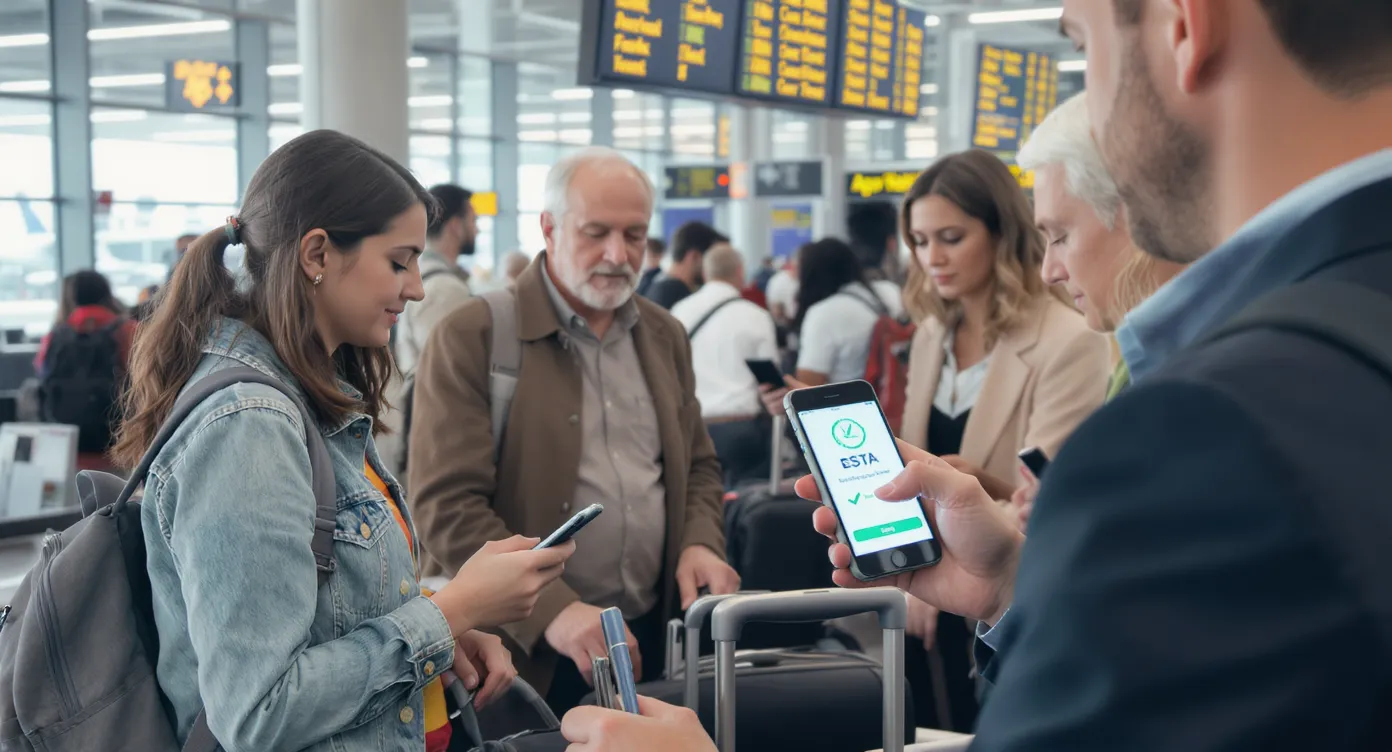
For millions of leisure and business travelers, the United States leads every list of must-visit destinations in 2025—but nothing derails a trip faster than a rejected or late-arriving electronic visa. Whether you’re a traveler planning a fall foliage road-trip or a travel brand embedding visa upsells in your booking flow, understanding the US electronic visa application timeline, fees, and best-practice tips is essential. Below is a current, data-driven guide you can rely on this year.
1. Which “US Electronic Visa” Are We Talking About?
The term can be confusing because the United States issues several digital travel permits. The two most common are:
| Permit | Typical Users | Application Channel | Validity & Stay | Government Fee (2025) |
|---|---|---|---|---|
| ESTA (Electronic System for Travel Authorization) | Citizens of 40 Visa Waiver Program (VWP) countries on short tourist or business trips | Online form on the official CBP website or approved partners | Valid 2 years (or until passport expiry); stays ≤ 90 days per visit | US $21 |
| E-Visa (B1/B2, E-1, E-2, etc.) submitted electronically via the DS-160 portal | Non-VWP nationals, long-term investors, traders, students, workers | DS-160 online + in-person interview at a US embassy/consulate | Depends on class; often up to 5 years with multiple entries | US $185– 315 MRV fee + possible reciprocity fees |
This article focuses on ESTA—by far the fastest, most common digital permit—but we note fees and timing for electronic DS-160 visas where relevant. If you need deep dives on the investor E-2, see SimpleVisa’s dedicated cost guide. https://simplevisa.com/how-much-is-a-us-e-visa/
2. Application Timeline: From Clicking “Apply” to Email Approval
Below is the real-world sequence most ESTA applicants experience in 2025. Times are based on DHS quarterly statistics and SimpleVisa analytics (≈2.8 million applications, Jan–Sep 2025).
| Step | What Happens | Average Duration | Notes & Delay Triggers |
|---|---|---|---|
| Pre-application prep | Gather passport, travel & employer details, payment card | 10–30 min | Incorrect passport number is #1 denial cause |
| Online form & payment | 23 mandatory questions + US$21 card payment | 15–20 min | Save the Application ID in case you exit early |
| Instant automated screening | Name & passport cross-checked against >20 U.S. watchlists | ≈ 3 seconds | 93 % of VWP travelers get an answer in this step |
| Provisional decision email | “Authorization Approved,” “Pending,” or “Travel Not Authorized.” | Usually < 5 min | “Pending” triggers manual review |
| Manual review (if required) | CBP officer assesses answers, travel history | 12 h – 72 h | In 2025, 6.4 % of applications fall here |
| Final email + downloadable PDF | Approval arrives; QR-coded PDF available | Instant after decision | Airlines pull status automatically via AQQ/APP APIs |
Need a deeper breakdown of edge-case delays? Read our specialist post: How long does it take to get a US electronic visa? https://simplevisa.com/how-long-does-it-take-to-get-a-us-electronic-visa/
DS-160-Based E-Visas
For classes like the B1/B2 tourist/business visa, filing the DS-160 online is only the first mile. The full journey averages 3–6 weeks: fee payment, scheduling an interview slot, embassy visit, security checks, and passport return. Appointment backlogs can double that in peak seasons—plan accordingly.
3. Full Fee Breakdown (2025)
A US$21 ESTA seems straightforward, yet surprise costs catch travelers off guard. Here’s the granular view:
| Cost Item | Amount | Applies To | Why It Matters |
|---|---|---|---|
| Government Processing Fee | US $21 | All ESTA applicants | Raised from $14 in May 2024 to fund inbound-tourism marketing (TSAIA Act) |
| Foreign-currency spread | 1–3 % | Cards billed in non-USD | Banks often use inflated FX rates |
| Third-party service fee (optional) | US $10 – 45 | Applicants using private agents | Pay for multilingual support, 24/7 helplines, or corporate reconciliation |
| Passport photo scan | US $5 – 10 | DS-160 E-Visa applicants | Online cropping tools charge small fees |
| Reciprocity fee | US $0 – 300 | Some DS-160 classes, nationality-specific | E.g., Argentine E-2 investor reciprocity = $0, but Australian = $3,574 |
Tip: Always pay on the official U.S. government domain (URL ends in .gov), or through a certified intermediary like SimpleVisa’s white-label widget embedded on 400+ travel sites.
4. Seven Tips to Secure a Fast Approval
- Check passport validity (6 + months rule). ESTA technically requires only validity through entry, but airlines enforce the six-month buffer to avoid fines.
- Use identical data across bookings. Your airline ticket, ESTA, and hotel reservations should show the same spelling, accent marks, and middle names.
- Answer security questions accurately—even minor offences. CBP cross-references INTERPOL and national databases; undeclared cautions are grounds for a 5-year VWP ban.
- Apply at least 72 hours before departure. While most approvals are instant, airlines must verify “Authorization Approved” status prior to check-in. Last-minute airport Wi-Fi failures are a real risk.
- Whitelist
@cbp.dhs.govin your email. Spam filters bury thousands of decision emails every month. - Download and store the PDF on your phone and cloud drive. Immigration officers rarely ask for it, but land-border crossings sometimes do.
- Plan a Plan B. If you receive a “Travel Not Authorized,” you can still file a full B1/B2 visa—but you’ll need an embassy interview. Keep flexible flight tickets or cancellation coverage.
For an extended checklist, see 10 Tips for a Smooth Electronic Visa Application Process on our blog.
5. After Approval: Validity, Entry Procedures, and Renewals
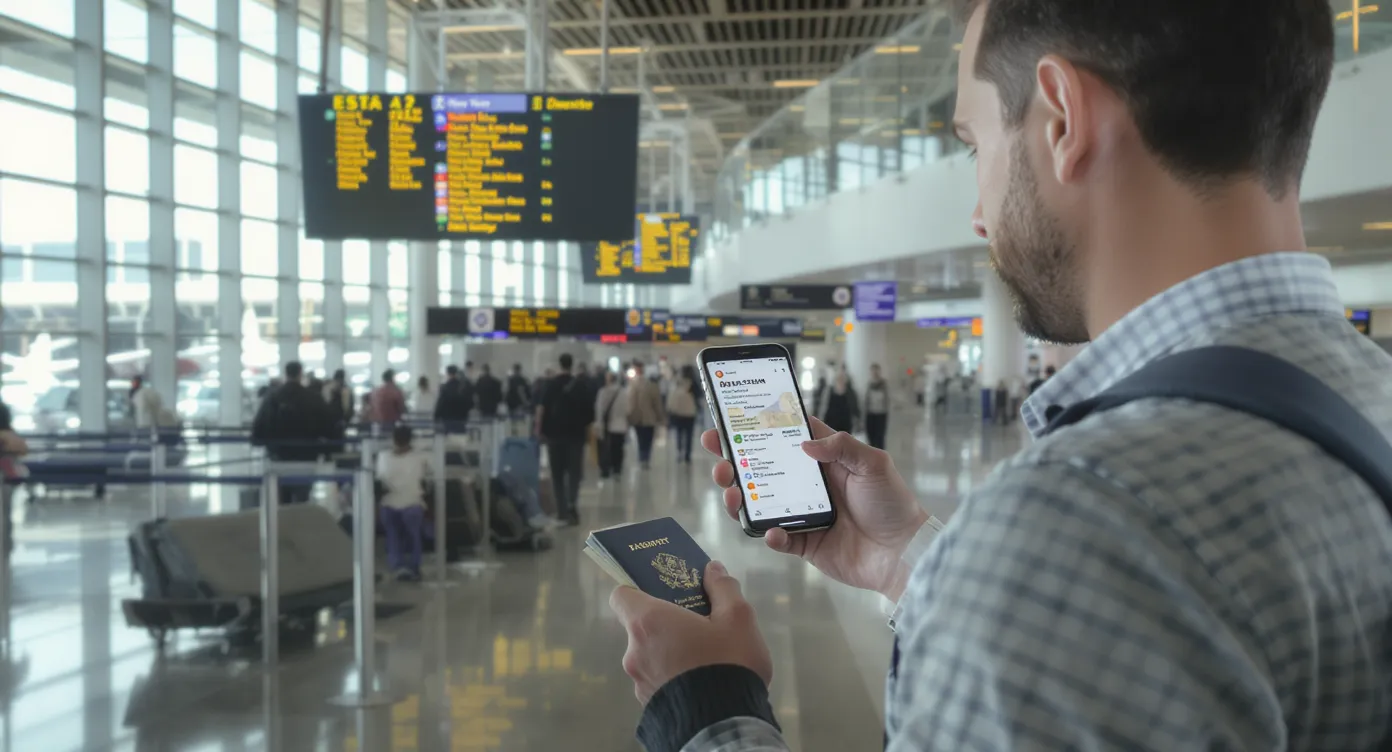
• Validity clock starts immediately. An ESTA issued on 05 Nov 2025 is good until 05 Nov 2027 or until your passport expires—whichever comes first.
• Multiple entries allowed, but each stay is capped at 90 days. Back-to-back trips that look like “living” in the U.S. can trigger secondary inspection.
• Renewal is 100 % online. Reapply with updated details and a new $21 fee; there is no “extension” button.
Need deeper guidance on validity rules? Visit SimpleVisa’s explainer: How long is USA Electronic Visa valid? https://simplevisa.com/how-long-is-usa-e-visa-valid/
6. For Travel Brands: Embed Compliance, Unlock Revenue
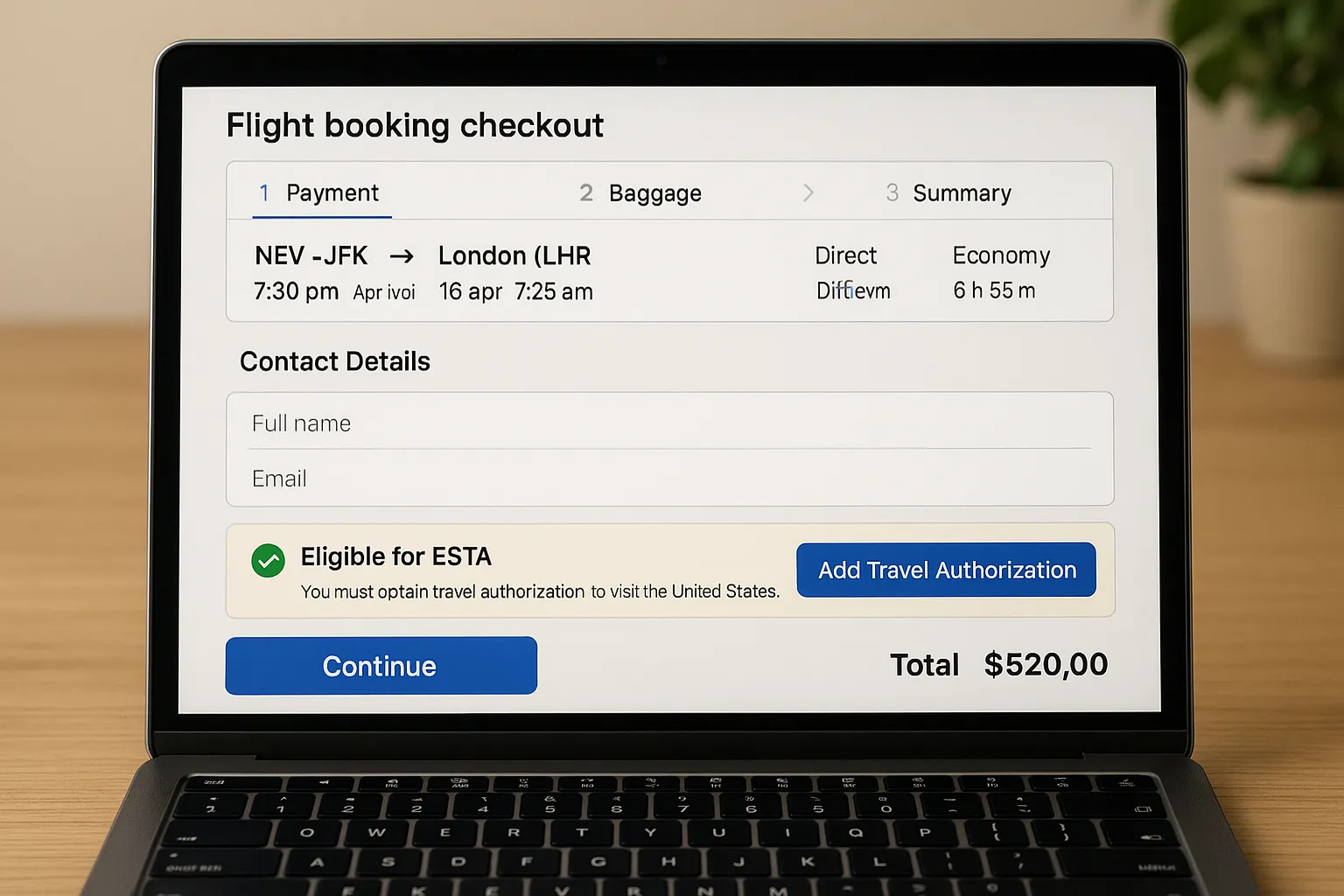
Airlines, OTAs, cruise lines, and TMCs lose an estimated US$2.1 billion annually to denied boardings and abandoned bookings linked to visa confusion (IATA Facilitation Study 2024). SimpleVisa’s API surfaces real-time ESTA eligibility inside the booking path and converts 7–12 % of passengers on U.S. routes, creating a high-margin ancillary stream while slashing support calls.
• No-code widget: live in under 30 minutes.
• REST API: surface eligibility, fees, and instant purchase in one call.
• White-label portal: branded solution for tour operators & TMCs.
Curious? Book a 20-minute demo to see how you can add compliant US e-visa sales with zero engineering debt.
Key Takeaways
• Standard ESTA approvals arrive in minutes, but apply 72 hours ahead to safeguard against manual reviews.
• Budget US$21 for the government fee plus minor card FX spreads; DS-160 classes carry higher MRV and reciprocity costs.
• Meticulous data entry, early application, and secure document storage are your best defences against delays or denials.
Whether you’re a traveler eager for your next U.S. adventure or a travel platform looking to streamline border formalities, mastering the timeline, fees, and best practices of the US electronic visa application process will save time, money, and stress—so you can focus on exploring rather than paperwork.