What You Need to Get Visa Approval Faster
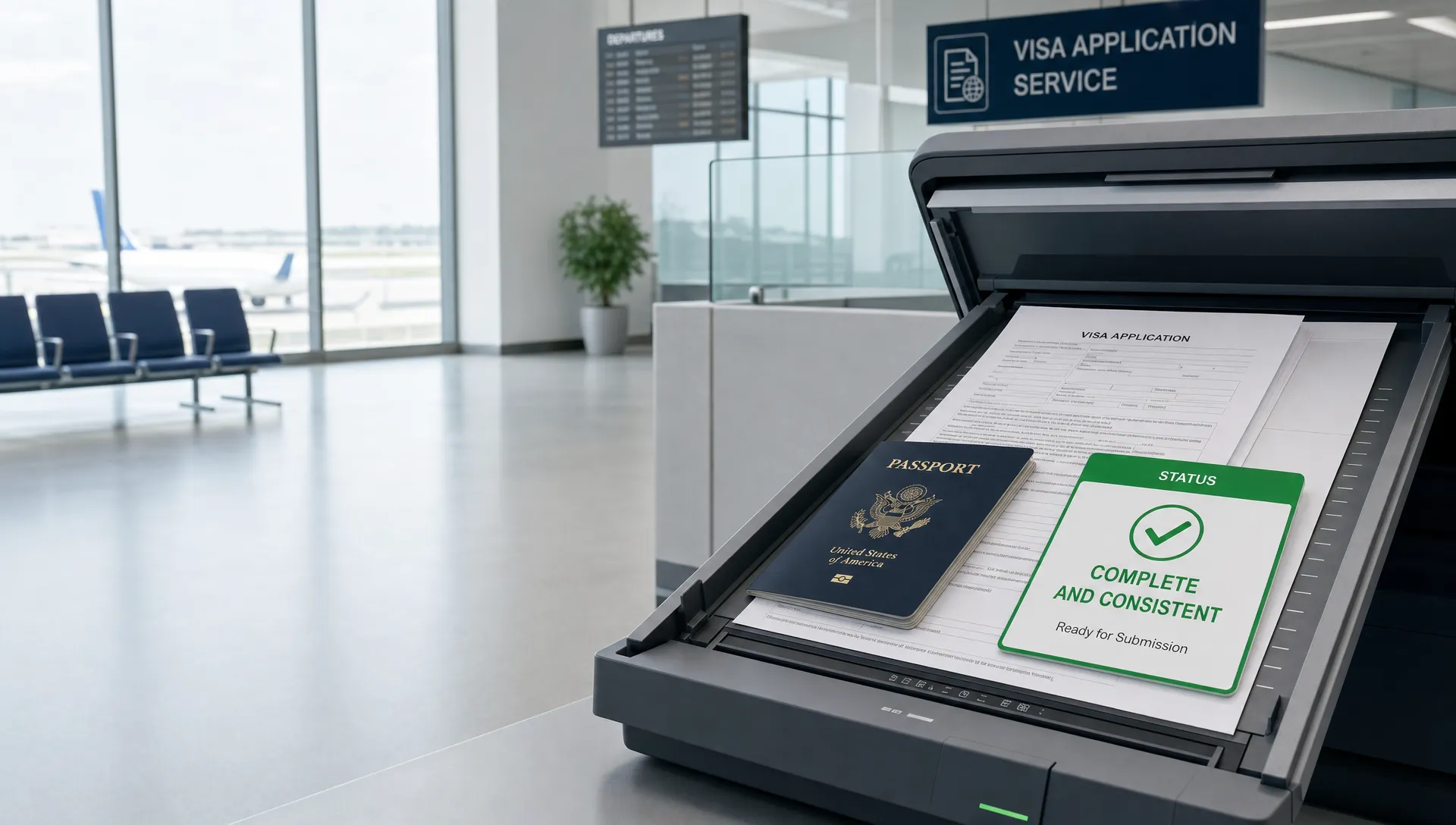
Getting a visa approved faster is rarely about finding a shortcut. It is about removing every reason an immigration officer, automated system, embassy, or visa platform might pause your application for clarification.
For travelers, that means having the right documents, the right visa type, and a clean application before submission. For travel businesses, it means helping customers understand requirements early enough to avoid last-minute panic, missed flights, and support escalations.
The goal is simple: submit a complete, consistent, and credible application the first time.
What “faster visa approval” really means
Visa processing speed depends on the destination country, visa category, traveler nationality, seasonality, security checks, embassy workload, and whether biometrics or interviews are required. No private company can guarantee a government approval timeline.
What you can control is the quality and timing of the application. A well-prepared application is less likely to be delayed by missing files, unclear travel purpose, payment issues, passport problems, or inconsistent answers.
If you want a practical step-by-step sequence, SimpleVisa also has a dedicated guide on how to get a visa faster. This article focuses on what you need before you apply, so you can move through the process with fewer delays.
The essentials you need before you apply
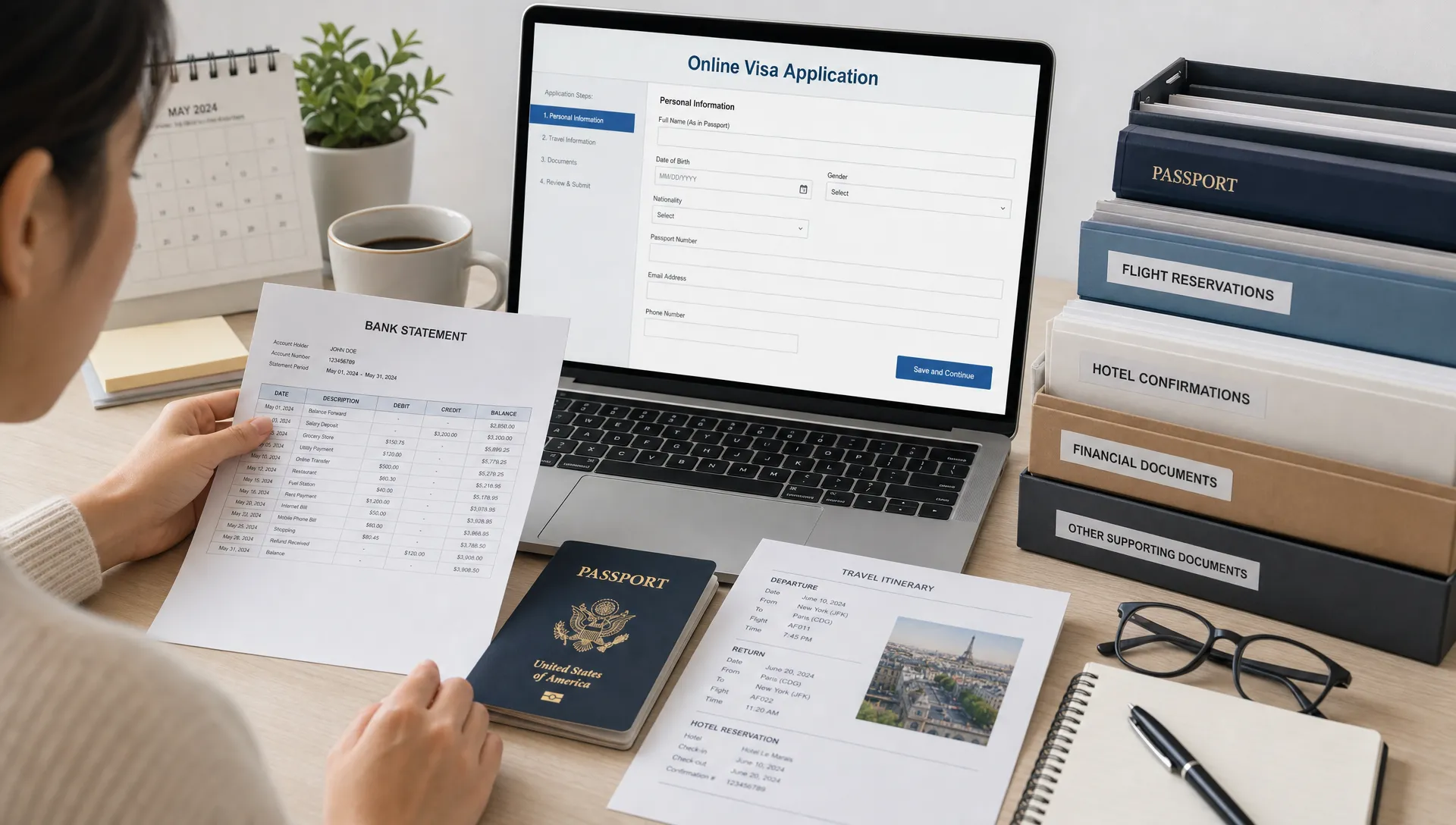
Before opening the application form, gather the basics. Many delays happen because travelers begin too soon, realize they are missing a document, then submit partial or rushed information.
| Requirement | Why it matters for faster approval | What to check |
|---|---|---|
| Valid passport | Most visas are tied directly to passport details | Expiration date, blank pages, spelling, passport number |
| Correct visa type | The wrong category can lead to refusal or reapplication | Tourism, business, transit, study, work, family visit |
| Confirmed travel details | Officers need to understand the trip purpose and timeline | Arrival date, departure date, accommodation, itinerary |
| Proof of funds | Shows you can support yourself during the trip | Bank statements, payslips, sponsor letter if allowed |
| Return or onward travel proof | Helps demonstrate temporary stay intent | Return ticket, onward ticket, employment or study ties |
| Digital documents | Online systems reject poor scans or wrong formats | File size, format, clarity, full-page scans |
| Payment method | Failed payments can stop submission | Card validity, international payment access, billing details |
| Contact access | Authorities may send time-sensitive requests | Email, phone, spam folder, application portal access |
Having these ready does not guarantee approval, but it removes the most common friction points.
Choose the fastest eligible visa route
The fastest option is not always the first one a traveler finds online. Some destinations offer several entry routes, and each has different rules.
A traveler may qualify for visa-free entry, an eTA or ETA, an eVisa, visa on arrival, or a consular visa. The fastest eligible route depends on nationality, trip purpose, length of stay, and arrival method. For example, a tourist entering for a short stay may qualify for a digital authorization, while the same traveler attending paid work meetings may need a different category.
Do not choose a faster-looking visa if it does not match the trip. Applying under the wrong category can cause delays, refusal, or problems at the border. If the departure date is very close, compare your options carefully and review urgent visa processing routes before paying for an application.
For travel companies, this is where automated requirement checks can create a better customer experience. If the traveler is shown the right requirement during booking, they are less likely to discover visa issues after payment.
Match every personal detail exactly
Small inconsistencies create big delays. Visa systems compare information across passports, flight bookings, hotel reservations, previous visas, invitation letters, and supporting documents. If one field does not match, the application may be flagged for manual review.
Pay close attention to:
- Full name order, including middle names
- Date of birth format
- Passport number, including letters and zeros
- Nationality and country of birth
- Gender marker, where required
- Address history and current residence
- Travel dates across flights, hotels, and forms
- Employer or school name spelling
One of the simplest ways to speed up approval is to copy personal details directly from the passport rather than typing from memory. This is especially important for names with accents, hyphens, multiple surnames, or transliterations between alphabets.
If the form asks for previous names, previous citizenship, past visa refusals, or previous travel, answer accurately. Trying to simplify an answer can create a bigger issue later if records do not match.
Prove the purpose of the trip clearly
A fast application is not just complete. It is easy to understand.
The reviewing officer or digital workflow should be able to answer three questions quickly: why is the traveler going, how long will they stay, and why are they expected to leave on time?
For tourism, the evidence may include hotel bookings, a travel itinerary, return flights, and proof of funds. For business travel, it may include an invitation letter, conference registration, meeting agenda, employer letter, or proof of company relationship. For family visits, it may include an invitation, host ID, relationship evidence, and address details.
For specialized business trips, the supporting evidence should match the nature of the visit. If someone is traveling for site visits, installation work, inspections, or industrial meetings, documents such as assignment letters, contracts, safety requirements, or supplier records can help explain the trip. For example, teams preparing for on-site work may also keep records related to required gear from a professional workwear supplier when those details support the business purpose.
The key is relevance. Do not upload excessive unrelated paperwork. Upload the documents the destination asks for, plus concise supporting evidence that makes the trip credible.
Show financial stability and return intent
Many visa applications are delayed because financial documents are unclear or incomplete. The purpose of proof of funds is not only to show a balance. It is to show that the traveler can reasonably cover the trip without overstaying or working illegally.
Good financial evidence is usually recent, readable, and consistent with the trip. A bank statement with the traveler’s name, account details, transaction history, and closing balance is stronger than a cropped screenshot with no identifying information.
Return intent is equally important for many visitor visas. Depending on the visa type and country rules, this may include employment letters, school enrollment, property documents, family ties, business ownership records, or confirmed onward travel.
Avoid sudden unexplained deposits if possible. If a sponsor is paying for the trip, include sponsor documents only if that destination allows sponsorship, and make the relationship clear.
Prepare digital files before opening the form
Online visa systems can be unforgiving. A blurry scan, oversized PDF, or incorrect photo background may stop submission or trigger a request for correction.
Before applying, create a clean digital folder with final versions of each file. Use descriptive file names such as passport-jane-smith.pdf or hotel-confirmation-paris.pdf. Make sure scans show the full page, including all corners. Photos should follow the destination’s exact size, background, and expression rules.
Some eVisa systems time out after inactivity, so having files ready saves time and reduces mistakes. If you are applying on behalf of a family or group, separate documents by traveler to avoid uploading the wrong passport or bank statement.
Apply early, but not blindly
Applying early is usually smart, but applying before you have correct information can backfire. If your travel dates, passport, hotel booking, or invitation details are likely to change, check whether the visa allows updates or whether a new application would be required.
A realistic approach is to begin document preparation as soon as the trip is being planned, then submit once the core facts are stable. For destinations with long consular timelines, appointments, or biometrics, start earlier than you think you need to.
| Time before departure | What to prioritize |
|---|---|
| 2 to 3 months | Check entry rules, passport validity, appointment availability, and visa category |
| 4 to 6 weeks | Gather supporting documents, confirm itinerary, prepare translations if needed |
| 2 to 3 weeks | Submit eVisa or online application if eligible, monitor email and portal updates |
| Under 7 days | Check urgent options, avoid nonessential errors, and keep travel plans flexible |
For more timing-focused advice, see SimpleVisa’s guide to getting a travel visa approved with better planning.
Respond quickly to requests for more information
If an embassy, immigration authority, or digital visa platform asks for additional information, speed matters. Delays often happen after submission because travelers miss an email or do not understand what is being requested.
Check the application portal and email inbox daily, including spam and promotions folders. If the request has a deadline, submit the response well before it expires. If the request is unclear, seek help from an official source, qualified visa support provider, or the travel business handling the booking.
When responding, provide exactly what was requested. Do not send a long explanation unless it is necessary. Clear, complete, targeted responses are easier to review.
Avoid the mistakes that slow applications down
Some visa mistakes are easy to prevent, yet they remain common because travelers rush.
The biggest delay triggers include using unofficial or outdated requirement information, choosing the wrong visa category, uploading unreadable documents, submitting inconsistent travel dates, ignoring passport validity rules, and waiting too long to check appointment availability.
Payment mistakes can also delay approval. Make sure the card supports international payments if required, the billing address is correct, and the payment confirmation is saved. If a payment fails, do not submit duplicate applications without checking the rules, since duplicates can confuse processing.
Finally, do not assume past approval guarantees future approval. Rules change, personal circumstances change, and each application is reviewed based on the information provided.
What travel businesses can do to help customers get approved faster
For airlines, online travel agencies, tour operators, travel management companies, and booking platforms, visa friction is more than an administrative issue. It affects customer satisfaction, conversion, cancellation risk, and ancillary revenue.
The earlier a traveler receives accurate visa guidance, the better. Ideally, visa requirements should appear inside or near the booking flow, not after the customer has already booked a nonrefundable trip.
Travel businesses can reduce delays by collecting key information early, presenting country-specific requirements clearly, guiding customers through digital applications, and offering support for premium eVisa management where appropriate. SimpleVisa helps travel businesses streamline this process through visa processing automation, API integration, white-label app options, and custom data services.
The practical benefit is not that approvals are magically rushed. It is that travelers submit better applications with fewer errors, and businesses can turn a common travel pain point into a smoother service experience.
Faster approval checklist
Before submitting, review the application like an officer or automated system would. Ask whether every answer is consistent, every document is readable, and every part of the trip makes sense.
Use this final check:
- The visa type matches the real travel purpose
- Passport details are copied exactly
- Travel dates match flights, hotels, and invitation documents
- Financial evidence is recent and readable
- Photo and scan requirements are met
- All required documents are uploaded in the correct format
- Contact details are active and monitored
- Payment is complete and confirmation is saved
- Any required appointment, biometric step, or interview is scheduled
If the answer to any item is “not sure,” pause before submitting. A short delay before submission is usually better than a longer delay after submission.
Frequently Asked Questions
Can I get visa approval faster by paying extra? Sometimes, but only when the destination offers an official expedited service or priority appointment. Paying an unofficial third party cannot override government review, and it will not fix an incomplete or inaccurate application.
What is the most important document for faster visa approval? The passport is the foundation, but the most important supporting document depends on the visa type. For a tourist visa, itinerary and funds may matter most. For business travel, invitation and employer documents may be critical.
Do eVisas get approved faster than embassy visas? Often, yes, because many eVisas are designed for digital processing. However, speed depends on eligibility, destination rules, application accuracy, and whether additional checks are required.
Will a travel booking confirmation help my visa application? It can help if the destination requests itinerary proof, but requirements vary. Avoid buying nonrefundable travel solely for a visa unless the destination specifically requires confirmed bookings and you understand the risk.
What should I do if my visa application is delayed? Check the official portal, review your email for requests, confirm that payment was processed, and avoid submitting duplicate applications unless instructed. If travel is urgent, review official expedited options or ask for qualified visa support.
Make visa approval simpler for your customers
Faster visa approval starts with better preparation, accurate requirements, and fewer application errors. For travel businesses, that creates an opportunity to improve the customer journey before problems appear.
SimpleVisa helps travel companies guide customers through border requirements with visa processing automation, API integration, white-label visa application options, and custom data services. If your customers need smoother visa support inside the booking journey, SimpleVisa can help make travel administration simpler from the start.