Getting an Indian Visa Without Common Mistakes
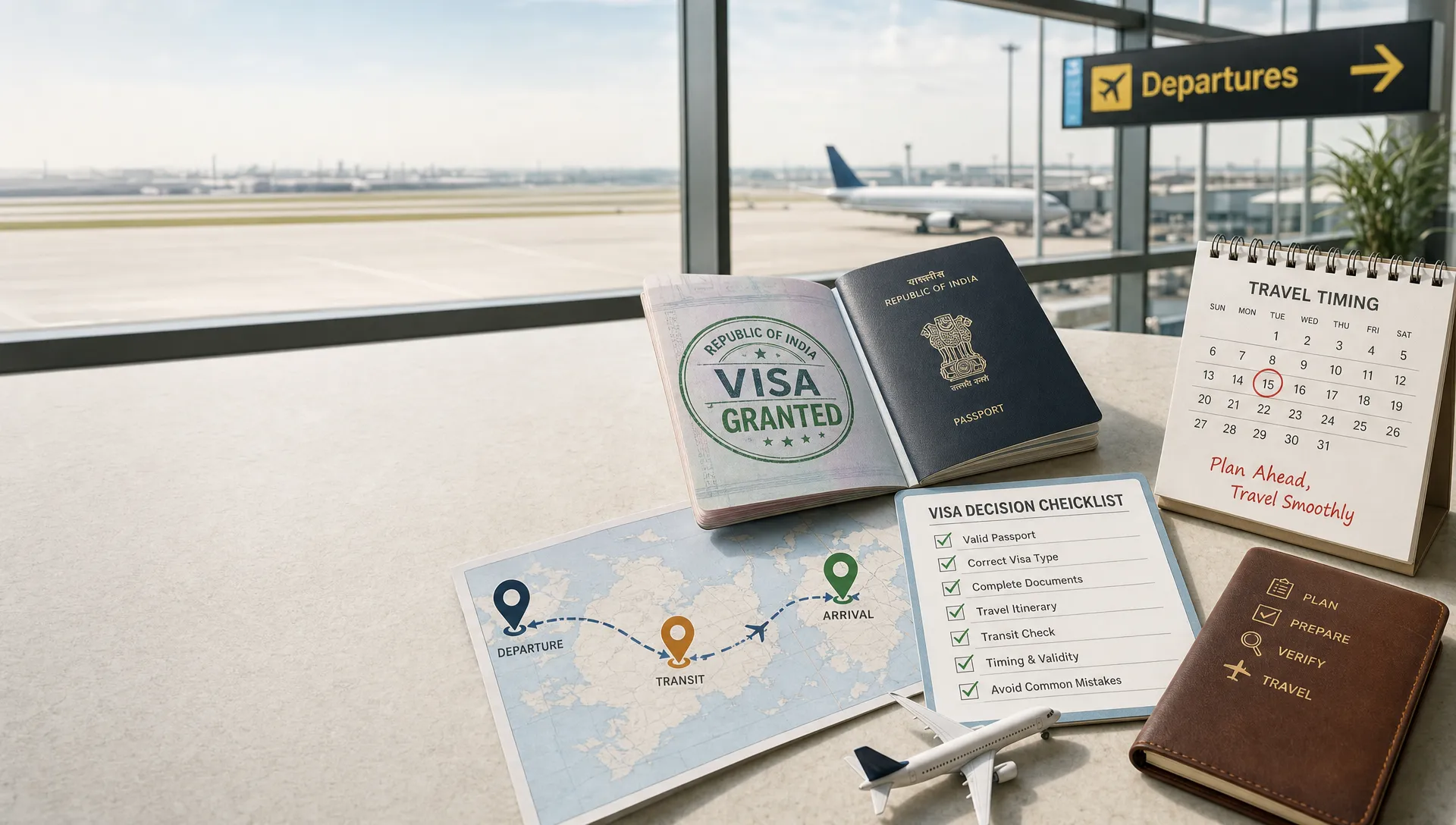
A small error on an Indian visa application can create a large travel problem. A mistyped passport number, the wrong visa category, a poor-quality passport scan, or an assumption about entry rules can delay approval, force a new application, or create confusion at the airport.
The good news is that most mistakes are preventable. Getting an Indian visa without common mistakes is less about rushing through the form and more about building a careful process: choose the right route, make your information consistent, upload compliant documents, and check travel conditions before you pay.
This guide focuses on the practical errors travelers and travel businesses can prevent before submission.
Start with the visa route, not the application form
Many Indian visa problems begin before anyone enters a name or passport number. The applicant chooses a visa type based on convenience instead of the real purpose of travel.
India offers different visa routes depending on what the traveler plans to do. Tourism, business meetings, medical treatment, conferences, employment, study, journalism, and other travel purposes can have different requirements. An eVisa may be suitable for many short-term visitors, but it is not a universal option for every situation.
Before applying, verify the current rules on the official Indian Visa Online portal. Visa categories, eligible nationalities, validity periods, entry conditions, and document requirements can change, so relying on an old blog post or a past trip is risky.
| Travel situation | What to verify before applying | Common mistake to avoid |
|---|---|---|
| Vacation, sightseeing, visiting friends | Whether the traveler is eligible for the appropriate tourist visa or eVisa | Selecting tourism when the real purpose includes work or paid activity |
| Business meetings or trade discussions | Whether business activities are allowed under the chosen route | Using a tourist visa for business meetings |
| Medical treatment | Whether medical documentation is required | Applying too late to collect supporting documents |
| Conference attendance | Whether the event and organizer require a specific visa route | Assuming all conferences qualify under a tourist visa |
| Multi-country itinerary | Entry points, validity dates, and re-entry rules | Planning flights before checking visa conditions |
For travel businesses, this is where the customer experience can either become reassuring or confusing. A booking flow that asks only for destination and travel dates may miss the real visa trigger: purpose of travel. Adding a simple purpose-based check can prevent customers from choosing the wrong path.
Make every passport detail match exactly
Indian visa applications rely heavily on identity consistency. The name, date of birth, nationality, passport number, issue date, expiry date, and place of birth should match the passport exactly.
This sounds obvious, but real-world mistakes are common. Travelers may omit a middle name, shorten a long surname, switch day and month in a date field, enter a previous passport number, or type the letter “O” instead of the number “0.” Some applicants also copy information from an airline profile, loyalty account, or old visa rather than from the passport they will use to travel.
A reliable rule is simple: treat the passport as the source of truth. Do not rely on memory. Do not rely on autofill. Do not rely on a travel profile that may be outdated.
Pay special attention to:
- Full name order and spelling
- Middle names and initials
- Date format used in the form
- Passport number characters
- Passport issue and expiry dates
- Nationality and place of birth
- Gender, where required by the form
- Current passport versus expired or renewed passport
If a traveler recently renewed their passport, they should use the new passport information and confirm whether any previous visa tied to the old passport is still relevant. Airline tickets should also match the passport name closely, especially for international travel.
Do not treat document uploads as an afterthought
Document upload mistakes can be frustrating because they often happen near the end of the application, when the traveler is tired and eager to submit. But photo and passport scan quality matter.
A visa photo is not the same as a casual profile picture. It typically needs a clear face, neutral background, proper lighting, no heavy shadows, and a crop that matches official specifications. Passport scans should be readable, in color if required, and free of glare, cut-off edges, fingers, or reflections.
If the application system rejects a file, do not keep compressing it blindly until it uploads. Over-compression can make text unreadable. Instead, start with a clean image and resize it according to the official requirements.
Travel businesses can reduce friction by giving customers document guidance before they start the application. A simple pre-upload checklist, file naming convention, and example of an acceptable scan can prevent support tickets later. For a more detailed system, SimpleVisa has a practical guide on how to organize travel visa documents before submission.
Build a pre-submit audit before payment
The final review screen is not a formality. It is the last chance to catch mistakes before the application enters processing.
A strong pre-submit audit should compare the application against the passport, itinerary, and supporting documents. Do this slowly, ideally on a larger screen rather than a phone. If someone else is helping, have one person read from the passport while the other checks the application fields.
Use this final audit as a practical checkpoint:
- Confirm the visa category matches the actual travel purpose.
- Confirm the passport used in the application is the passport used for travel.
- Match every name field against the passport.
- Re-check all dates, especially date of birth, passport expiry, arrival date, and departure date.
- Open every uploaded file and confirm it is readable.
- Confirm email address and phone number are correct.
- Save the application reference number before closing the browser.
- Use a secure payment method and keep the payment receipt.
This is also the right moment to pause if anything feels uncertain. Submitting quickly can feel efficient, but correcting an avoidable mistake afterward is usually slower.
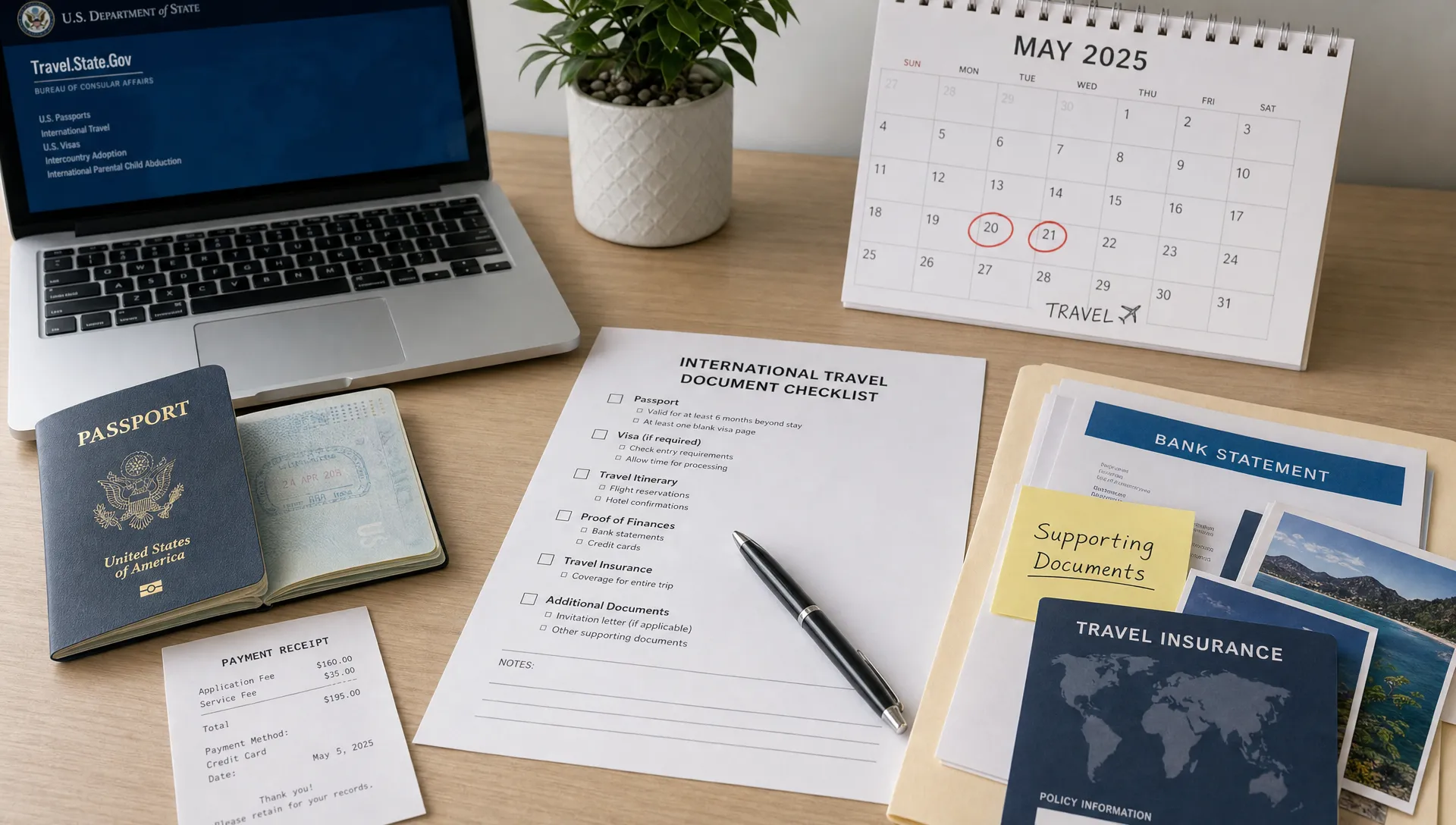
Keep technology from becoming the hidden weak spot
Because many Indian visa applications are completed online, technology habits matter. Travelers should avoid applying over public Wi-Fi, should not use unofficial websites that imitate government portals, and should be cautious with third-party messages requesting passport details or extra payments.
Always verify the website address before entering personal information. Watch for spelling variations, suspicious payment pages, and emails that create urgency without a clear application reference. After payment, keep copies of the confirmation, application ID, and any email correspondence.
For travel companies, the technology risk is larger because staff may handle sensitive customer data at scale. Secure devices, controlled access, reliable backups, and cybersecurity awareness are part of visa service quality, not just IT administration. Businesses without internal IT capacity often work with specialists in managed IT services and cybersecurity support to reduce operational risk when handling customer data and online workflows.
Simple systems help too. Limit who can access passport files, avoid saving documents in personal inboxes, and delete data according to your retention policy. A smooth visa experience should also be a safe one.
Plan the trip around visa conditions
Another common mistake is treating the visa as a general permission to enter India at any time, through any route, for any activity. Visa conditions matter.
Travelers should check the validity period, permitted length of stay, number of entries, eligible entry points, and any conditions tied to the visa category. For example, an eVisa may have specific entry rules, and not every airport, seaport, or land border may be valid for every visa route. Travelers with complex itineraries should review every border crossing, not just the final destination.
If the traveler is using an Indian eTourist visa, it is worth reviewing how the Indian eTourist visa works in 2026 before booking non-refundable arrangements. For itineraries involving layovers, separate tickets, or multiple countries, it is also wise to plan transit and entry points before assuming the visa covers the full journey.
Timing deserves special attention. Applying too early can be a problem if the visa validity starts before the trip window you need. Applying too late can create stress if processing takes longer than expected or if the application needs correction. Build in a buffer, especially around holidays, peak travel seasons, group departures, or trips that involve medical or business documentation.
Watch out for payment and confirmation errors
Payment issues are easy to overlook because they happen at the end of the application. Yet a failed payment, duplicate payment, or missing confirmation can leave the traveler unsure whether the application was actually submitted.
After payment, do not close the browser immediately. Wait for the confirmation screen, record the application reference, and check the registered email address. If the page freezes or payment appears pending, avoid submitting multiple new applications without confirming the status through the appropriate official channel.
Travelers should also be cautious about exchange rates, international card restrictions, and bank security blocks. If using a corporate card or customer payment method, travel businesses should clearly define who pays the visa fee, who receives the receipt, and who is responsible for follow-up.
For travel businesses, prevent mistakes inside the booking flow
For travel sellers, tour operators, airlines, online travel agencies, and corporate travel platforms, Indian visa mistakes are not just an applicant problem. They can create customer support pressure, trip disruption, refund disputes, and lost confidence.
A better approach is to make visa guidance part of the booking journey. Instead of sending customers away to figure it out alone, travel businesses can surface visa requirements, collect key information, and guide customers toward the right application process at the right moment.
SimpleVisa helps travel businesses streamline visa application workflows through options such as API integration, white-label visa application access, custom data services, and no-code implementation. That means visa support can fit into a booking experience without requiring every travel company to build the entire process from scratch. If your team wants to reduce traveler confusion and create ancillary revenue, you can explore how SimpleVisa simplifies visa processing for travel businesses.
The key is not to promise approval or oversimplify rules. The key is to reduce preventable errors, make requirements easier to understand, and help customers submit cleaner applications.
A quick mistake-proofing checklist
Before applying for an Indian visa, ask these questions:
- Does the visa type match the actual purpose of travel?
- Is the passport valid for the trip and accepted for the chosen visa route?
- Do all personal details match the passport exactly?
- Are the photo and passport scan clear and compliant?
- Are travel dates realistic for processing and validity?
- Are entry points and transit stops compatible with the visa conditions?
- Is the application being completed on an official or trusted platform?
- Has the applicant saved the reference number and payment receipt?
If the answer to any question is uncertain, pause before submitting. Most visa errors become expensive because they are discovered after payment, after processing starts, or at the airport.
Frequently Asked Questions
What is the most common mistake when getting an Indian visa? One of the most common mistakes is choosing the wrong visa category for the real purpose of travel. Passport data mismatches, poor document uploads, and applying too late are also frequent causes of problems.
Can I correct an Indian visa application after submission? It depends on the type of error and the processing stage. Some mistakes may require contacting the relevant authority, while others may require a new application. This is why a careful pre-submit review is essential.
Should I book flights before getting an Indian visa? Some travelers book flights before applying, but it is safer to understand visa eligibility, timing, validity, and entry conditions first. For expensive or complex trips, avoid non-refundable bookings until the visa path is clear.
Is an Indian eVisa valid for every port of entry? Not necessarily. Entry conditions can depend on the visa type and current rules. Always check eligible airports, seaports, or other entry points before finalizing the itinerary.
How can travel businesses help customers avoid Indian visa mistakes? Travel businesses can add visa checks into the booking flow, provide document guidance, validate key data, and use trusted visa processing tools to reduce preventable errors.
Help travelers get it right the first time
Getting an Indian visa without common mistakes requires accuracy, timing, and clear guidance. For individual travelers, that means slowing down before submission. For travel businesses, it means building a smoother visa experience directly into the customer journey.
SimpleVisa helps travel companies guide customers through border requirements, automate visa workflows, and create a more reliable application experience. If your business wants to reduce visa-related friction while adding a valuable service for travelers, SimpleVisa can help make the process simpler from booking to border crossing.