Required Travel Documents Before You Book Any Trip
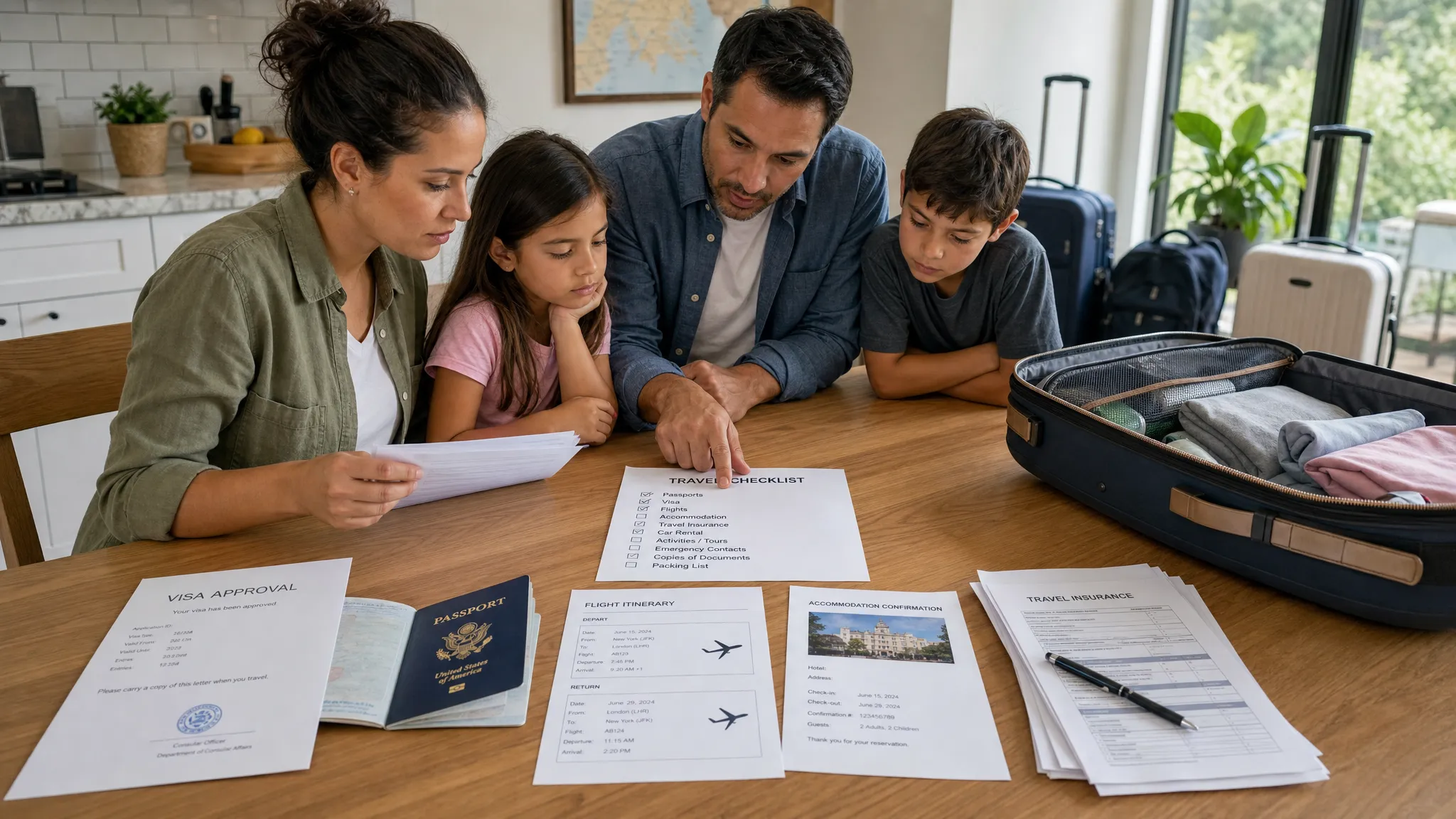
Booking a flight or hotel is usually the exciting part of travel. The less exciting part is discovering, after you paid, that your passport expires too soon, your layover requires a transit visa, or your destination asks for proof you did not plan to carry.
That is why required travel documents should be checked before any booking, not after. The right documents depend on your nationality, destination, route, trip purpose, age, residency status, and even how long you will transit through an airport. A one-way leisure trip, a multi-country business itinerary, and a family vacation with minors can all trigger different requirements.
This guide walks through the documents travelers should confirm before committing to a trip, plus what travel companies can do to make those checks easier inside the booking journey.
Why document checks belong before booking
Many travelers assume that if a flight is available, they are eligible to take it. In reality, airlines and border authorities operate under separate rules. An airline can sell you a seat, but it may still deny boarding if your documents do not meet the destination or transit country’s entry rules.
The consequences can be expensive. Missing a visa window, booking a ticket with a passport that lacks validity, or overlooking transit requirements can lead to change fees, lost hotel nights, denied boarding, or refusal at the border. For travel businesses, it can also create customer support escalations and reduce trust at the moment when travelers need clarity most.
The safest approach is simple: check documents before booking anything nonrefundable. If your itinerary includes multiple countries, check each stop separately, including layovers, cruises, land borders, and airport changes.
The core required travel documents to check first
Not every traveler needs every document. Still, most trips require some combination of identity, permission to enter, and proof of travel intent. Start with the following categories before you pay.
| Document category | Why it matters | Check before booking |
|---|---|---|
| Passport or ID | Confirms identity and nationality | Validity, blank pages, name match, condition |
| Visa, eVisa, or eTA | Confirms permission to enter or transit | Eligibility, processing time, validity dates, permitted purpose |
| Proof of onward or return travel | Shows you plan to leave within allowed stay | Return ticket, onward ticket, cruise or rail segment |
| Accommodation or host details | Supports your stay purpose and address | Hotel booking, invitation letter, host contact |
| Financial proof | Shows you can support yourself during the trip | Bank statement, credit card, sponsor letter if applicable |
| Health documents | Meets public health or insurance rules | Vaccination proof, insurance certificate, medical forms |
| Special traveler documents | Applies to minors, residents, workers, students, or pets | Consent letter, residence permit, work letter, pet certificate |
These documents may be requested at different moments. Some are needed to apply for a visa, some are checked by the airline, and some are requested by immigration officers on arrival. The key is to know the full set before your itinerary is locked.
Passport or government ID
For international travel, your passport is usually the most important document. Before booking, check four details.
First, confirm expiration date. Many destinations require your passport to be valid for a minimum period beyond arrival or departure. A common rule is six months, but this varies by country and traveler nationality. The U.S. Department of State advises travelers to review destination-specific passport and entry requirements before traveling.
Second, check blank pages. Some countries require one or more blank visa pages for entry stamps or visas. If your passport is nearly full, renew it before booking a complex trip.
Third, verify name consistency. Your flight ticket, passport, visa, and other required documents should match. Middle names, hyphenated surnames, and married names can cause problems if they are inconsistent.
Fourth, inspect the passport condition. Torn pages, water damage, peeling laminate, or unreadable data pages can lead to denied boarding or border delays.
For domestic trips, a passport may not be needed, but a government-issued photo ID often is. If your trip includes a domestic segment in another country, local ID rules may differ from your home country’s rules.
Visa, eVisa, eTA, or visa-free entry confirmation
A visa is not just a formality. It defines whether you may enter, why you may enter, how long you may stay, and what activities you may perform. Some travelers are visa-exempt for tourism but need a visa for business, study, journalism, paid work, volunteering, or long stays.
Common permission types include:
- Traditional visa: Usually issued by an embassy, consulate, or visa center before travel.
- Electronic visa: Applied for online and linked electronically or issued as a digital approval.
- Electronic travel authorization: Often required for visa-exempt travelers before boarding.
- Visa on arrival: Issued at the border or airport, sometimes with eligibility, fee, photo, or payment conditions.
- Visa-free entry: Allows entry without a visa, usually with restrictions on purpose and length of stay.
Before you book, confirm the exact rule for your nationality, passport type, residence status, trip purpose, and route. If you are new to the topic, SimpleVisa’s guide to travel visa basics before you book explains the differences between visas, e-visas, and travel authorizations in more detail.
Do not rely only on what a friend needed last year. Entry rules change, and travelers with different passports can face completely different requirements for the same destination.
Transit and layover documents
Transit requirements are one of the easiest details to miss. You may need a visa or authorization even if you never plan to leave the airport.
This is especially important when:
- Your layover is in a country with strict transit rules.
- You must collect bags and recheck them.
- You change airports during a connection.
- Your connection is overnight.
- Your itinerary uses separate tickets.
- You pass through immigration before the next flight.
Separate tickets deserve extra attention because the airline may treat each leg as a separate journey. If you must enter the transit country to collect baggage or check in again, a transit visa exemption may not apply.
For multi-stop trips, map every border crossing before booking. SimpleVisa’s article on aligning visas and travel documents with your itinerary is especially useful for travelers building complex routes.
Proof of onward travel and accommodation
Many destinations require proof that you intend to leave before your allowed stay ends. This may be a return flight, onward flight, cruise ticket, train ticket, or other booked transport. One-way travelers, digital nomads, backpackers, and long-stay visitors should pay close attention to this requirement.
Accommodation proof can also matter. Immigration officers may ask where you are staying, even if no formal visa was required. A hotel reservation, rental confirmation, tour itinerary, or host invitation letter can help show the purpose and structure of your trip.
If you are staying with friends or relatives, confirm whether an invitation letter, host ID copy, proof of address, or local registration form is required. Some countries have specific formats for these documents.
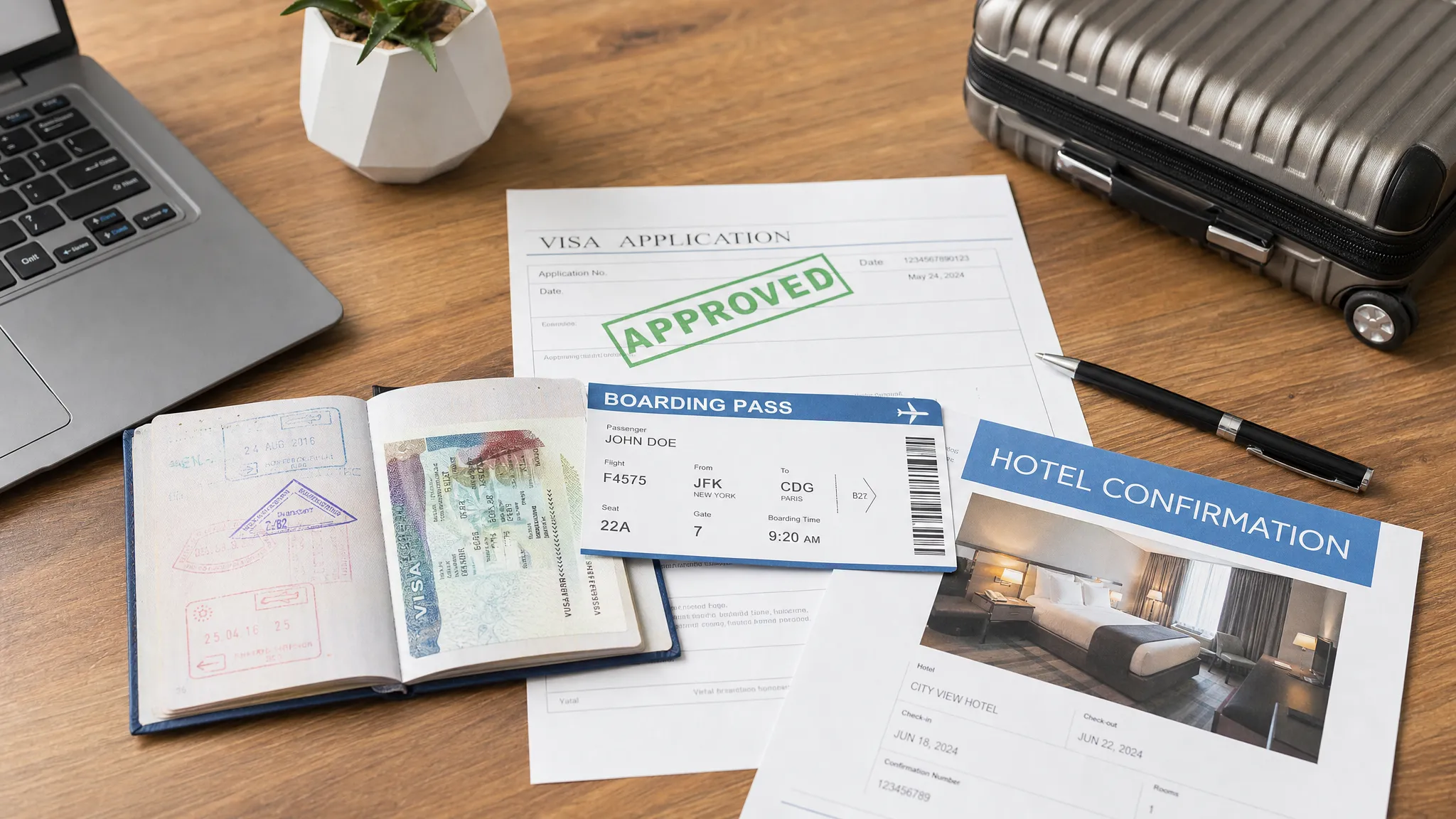
Financial proof and sponsor documents
Some countries ask travelers to prove they can afford the trip. This is more common for visa applications, long stays, study, family visits, or destinations that enforce funds checks at the border.
Acceptable proof may include recent bank statements, credit card limits, employer letters, payslips, scholarship letters, or sponsor documentation. Requirements vary widely, so do not assume one document will work everywhere.
If someone else is paying for the trip, check whether you need a sponsor letter and proof of the sponsor’s finances. The sponsor’s relationship to you may also matter, especially for family visits, student travel, and medical trips.
Health documents, insurance, and vaccination proof
Health-related entry rules are more destination-specific than many travelers expect. Some countries require proof of yellow fever vaccination if you are arriving from, or transiting through, a country with yellow fever risk. Others may require travel insurance, medical certificates, or proof of coverage for certain visa categories.
The CDC Yellow Book is a respected resource for travel health information, including vaccination and destination guidance. Travelers should also check official destination rules because health requirements can change with outbreaks, seasonal risks, or policy updates.
Travel insurance is not always mandatory, but it is often worth checking before booking. If a visa application requires insurance, the policy may need to meet specific coverage limits, geographic coverage, or duration rules.
Documents for minors and families
Family travel can require extra paperwork, particularly when a child travels with one parent, relatives, a school group, or another adult. Border officials may ask for evidence that the accompanying adult has permission to travel with the child.
Depending on the country and family situation, documents may include:
- Child passport or approved ID.
- Birth certificate showing parentage.
- Notarized consent letter from the non-traveling parent or guardian.
- Custody documents or court orders.
- Adoption documents, if relevant.
- School or group travel authorization.
Airlines may also have their own rules for unaccompanied minors. Check both government entry rules and airline policies before buying tickets.
Business, study, work, and event travel documents
Trip purpose can change everything. A traveler who is visa-free for tourism may still need pre-approval for meetings, paid work, trade shows, conferences, research, study, media activity, or performances.
Business travelers may need invitation letters, conference registration, employer letters, proof of role, or documents showing who is paying for the trip. Students may need enrollment letters, accommodation proof, financial support evidence, and health insurance. Workers may need permits, contracts, or employer sponsorship before travel.
Do not describe the trip as tourism if your actual purpose is business, work, study, or another regulated activity. Misalignment between documents and purpose can lead to refusal, cancellation of a visa, or future entry problems.
Residence permits and re-entry documents
If you live outside your country of citizenship, your residence status can affect travel rules. Some visa exemptions apply to residents of specific countries, not just citizens. In other cases, your residence permit may be required for re-entry after your trip.
Before booking, confirm:
| Situation | Document to verify | Why it matters |
|---|---|---|
| Returning to your country of residence | Residence permit, green card, visa, or re-entry permit | You may need it to board the return flight |
| Traveling with a refugee or stateless travel document | Travel document and destination visa rules | Requirements may differ from ordinary passports |
| Holding dual nationality | Which passport to use for each border | Some countries require citizens to enter on that country’s passport |
| Long-term resident with visa benefits | Residence card validity and eligibility | Some exemptions depend on valid residence status |
This is also where name consistency matters. Your passport and residence document should match, or you should carry legal name-change evidence.
Travel documents for cruises, tours, and overland trips
Cruises and overland tours can be more document-heavy than simple round-trip flights. A cruise itinerary may stop in several countries, and each port can have its own rules. Even if the cruise line manages some group permissions, travelers may still need visas for certain ports or for independent shore excursions.
Overland travel has similar challenges. Bus, train, and car routes may cross borders that are easy to overlook during planning. A traveler driving across several countries may need visas, vehicle documents, insurance, international driving permits, or customs papers.
Before booking a packaged itinerary, ask for the full route, all border crossings, and whether any stops are optional. Then check requirements for your nationality and trip purpose at each point.
Digital copies, printed copies, and backup documents
Many travel documents are digital, but printed copies still matter. Some airlines, border posts, or local officials may ask to see a printed approval, insurance certificate, invitation letter, or accommodation confirmation. Battery issues, app outages, poor connectivity, and email access problems can turn a digital-only plan into a real risk.
A practical document pack includes your passport, visa or authorization, transport confirmations, accommodation details, insurance certificate, emergency contacts, and copies of key documents. Keep digital backups in secure cloud storage and offline on your phone. Keep printed copies separate from your passport in case one bag is lost.
For more detail on identity documents, visas, and proofs that may be requested at the border, see SimpleVisa’s guide to border crossing requirements.
A pre-booking document checklist
Before you book flights, hotels, tours, or cruises, pause and confirm the essentials. This short checklist can prevent the most common mistakes.
- Your passport or ID will be valid for the full trip and any required period after arrival or departure.
- Your passport has enough blank pages and is not damaged.
- Your ticket name matches your passport and visa documents.
- You know whether you need a visa, eVisa, eTA, visa on arrival, or no visa.
- Your visa or authorization processing time fits your planned departure date.
- Your trip purpose is allowed under the document you plan to use.
- Every layover, airport change, cruise port, and land border has been checked.
- You can provide onward travel, accommodation, funds, and insurance proof if required.
- Minors, residents, students, workers, and special-status travelers have the extra documents they need.
- You have a plan for both digital and printed copies.
If any answer is uncertain, resolve it before paying for nonrefundable travel.
What travel businesses should do with this information
For airlines, online travel agencies, tour operators, and travel management platforms, document uncertainty is more than a customer education issue. It affects conversion, support volume, cancellations, and traveler confidence.
The best experience is not to overwhelm customers with every possible rule at the start. Instead, ask for the minimum details needed to surface relevant requirements, such as nationality, residence, destination, transit points, dates, and trip purpose. Then show document guidance at the moments when it helps decision-making, especially before checkout.
SimpleVisa helps travel businesses simplify visa and border administration through options such as visa processing automation, API integration, white-label visa application experiences, custom data services, and no-code implementation. If you are designing this experience, SimpleVisa’s article on travel document checks in booking flows covers practical ways to add checks without hurting conversion.
The goal is not to turn every traveler into an immigration expert. It is to make the required next step clear before the traveler commits money.
Frequently Asked Questions
What travel documents should I check before booking an international trip? Check your passport, visa or travel authorization, transit requirements, proof of onward travel, accommodation details, financial proof, health documents, insurance rules, and any special documents for minors, residents, students, or business travelers.
Can I book a flight before getting a visa? Sometimes you can, but it is risky if the ticket is nonrefundable or your visa processing time is uncertain. Before booking, confirm whether the visa requires confirmed travel dates and whether refundable reservations are acceptable.
Do I need travel documents for a layover? You might. Some countries require transit visas or authorizations, especially if you change airports, collect baggage, travel on separate tickets, or pass through immigration. Always check transit rules before booking.
Is passport validity really checked by airlines? Yes. Airlines commonly check passport validity and entry eligibility before boarding because they may face penalties for transporting travelers without proper documents.
Are digital copies of travel documents enough? Digital copies are useful, but printed copies are still recommended for visas, insurance, accommodation, invitation letters, and onward travel proof. Some checkpoints may not accept phone-only evidence.
Make required travel documents part of the trip, not an afterthought
The best time to think about required travel documents is before the booking confirmation page, not at the airport check-in counter. A few minutes of document checking can protect the traveler’s budget, reduce stress, and prevent avoidable disruption.
For travel businesses, it is also a chance to provide a smoother, more trustworthy customer experience. SimpleVisa helps companies guide customers through visa and border requirements with flexible integration options, from APIs to white-label and no-code solutions. To learn how SimpleVisa can support your booking journey, visit SimpleVisa.